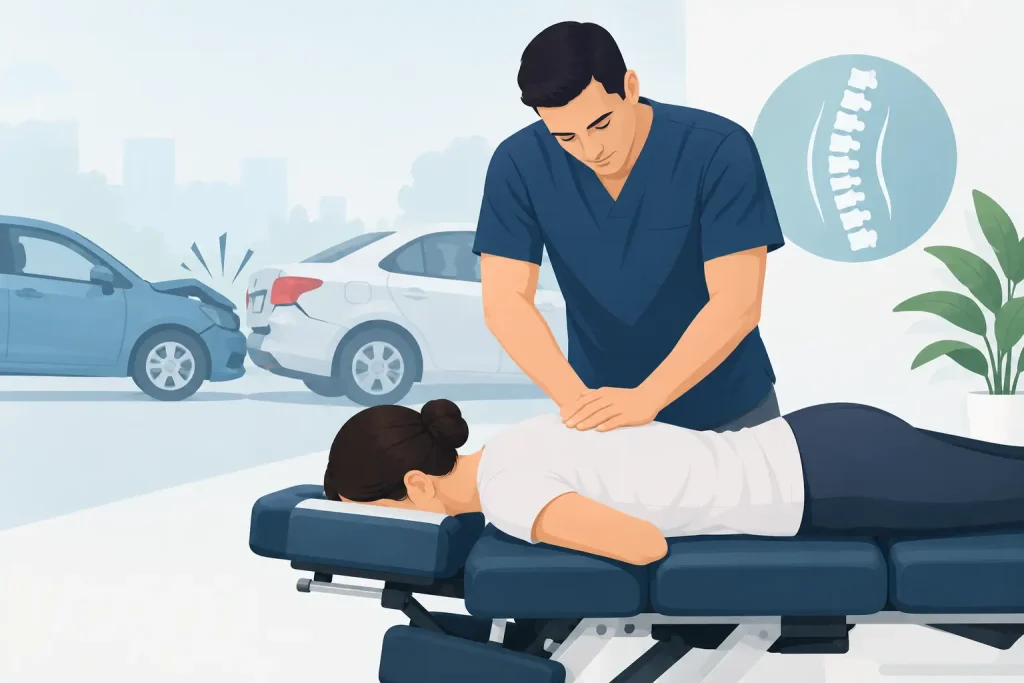


A car accident can leave you standing on your own two feet, talking clearly, and still feeling like something is off. That is often how the earliest stage of injury begins. Car accident chiropractic care matters because the body does not always reveal the full impact right away. What seems like stiffness, a mild headache, or soreness across the shoulders can be the first sign that your nervous system, muscles, and spine have been pushed out of balance.
Even low-speed collisions can create enough force to jar the neck, back, jaw, and hips. Adrenaline has a way of masking pain in the moment, which is why many people feel worse a day or two later. If you wait until symptoms become intense, healing can take longer. Early, thoughtful care gives your body a better chance to settle inflammation, restore motion, and recover in a more complete way.
Why car accident chiropractic care can help
After an accident, the issue is not always a dramatic injury. More often, it is a chain reaction. The body absorbs force, muscles tighten to protect injured areas, joints lose their normal motion, and the nervous system stays on high alert. That can lead to neck pain, headaches, low back pain, dizziness, shoulder tension, jaw discomfort, numbness, or a general sense that your body no longer feels like itself.
Chiropractic care focuses on how the structure of the body and the nervous system work together. When the spine and supporting joints are not moving well, the body can struggle to adapt. Gentle, specific adjustments may help improve alignment, reduce tension patterns, and support better communication between the brain and body. For many people, that means less pain, easier movement, better sleep, and a greater sense of stability during recovery.
This is also where a whole-body approach becomes valuable. A car accident does not only affect one spot. A neck injury can create headaches. A hip imbalance can strain the low back. Tension in the upper spine can contribute to shoulder discomfort or jaw tightness. Looking at the body as an integrated system often leads to better healing than chasing symptoms one at a time.
Symptoms that should not be brushed off
Not every post-accident symptom feels urgent, but that does not mean it is minor. Some of the most common complaints after a collision are easy to dismiss at first. Neck stiffness, headaches behind the eyes, pain between the shoulders, tingling in the hands, fatigue, and reduced range of motion can all point to underlying strain.
Some people notice brain fog or feel unusually tired after an accident. Others start waking up sore, find it harder to turn their head while driving, or realize that sitting at work is aggravating their back. These are real signs that the body is working hard to compensate.
It also depends on the type of crash. Rear-end accidents often create whip-like motion through the neck and upper back. Side impacts can unsettle the hips, ribs, and lower spine. Even if your vehicle damage looks limited, your body may still be dealing with a significant force pattern.
When to seek care
If you have severe symptoms such as intense head pain, loss of consciousness, fracture, trouble breathing, or signs of a medical emergency, emergency evaluation comes first. Once serious conditions have been ruled out, chiropractic care can be an effective part of your recovery plan.
For milder symptoms, it is wise to be evaluated sooner rather than later. Waiting a week or two because you hope it will resolve on its own can allow inflammation and compensation patterns to become more deeply set.
What recovery often looks like
Healing after a car accident is rarely a straight line. You might feel sore for two days, better on day three, and then suddenly notice headaches or low back pain at the end of the week. That does not necessarily mean something is getting worse. It often means your body is shifting out of the immediate shock response and revealing what still needs support.
In the beginning, care is usually aimed at calming irritation and restoring safer, more comfortable movement. As the body begins to settle, the focus often shifts toward improving function, correcting compensation patterns, and helping you return to normal daily activities without flare-ups.
This is one reason personalized care matters so much. Two people can be in the same accident and need very different support. One may be dealing mostly with neck tension and headaches. Another may have low back pain, hip imbalance, and trouble sleeping. A thoughtful plan takes into account not just the accident, but also how your body is responding to it.
A gentler, whole-body approach after injury
Not everyone wants forceful treatment after an accident, and in many cases, they should not have it. Injured tissues are already irritated. The body is often guarded, inflamed, and trying to protect itself. A gentle, specific approach can be especially valuable during this stage.
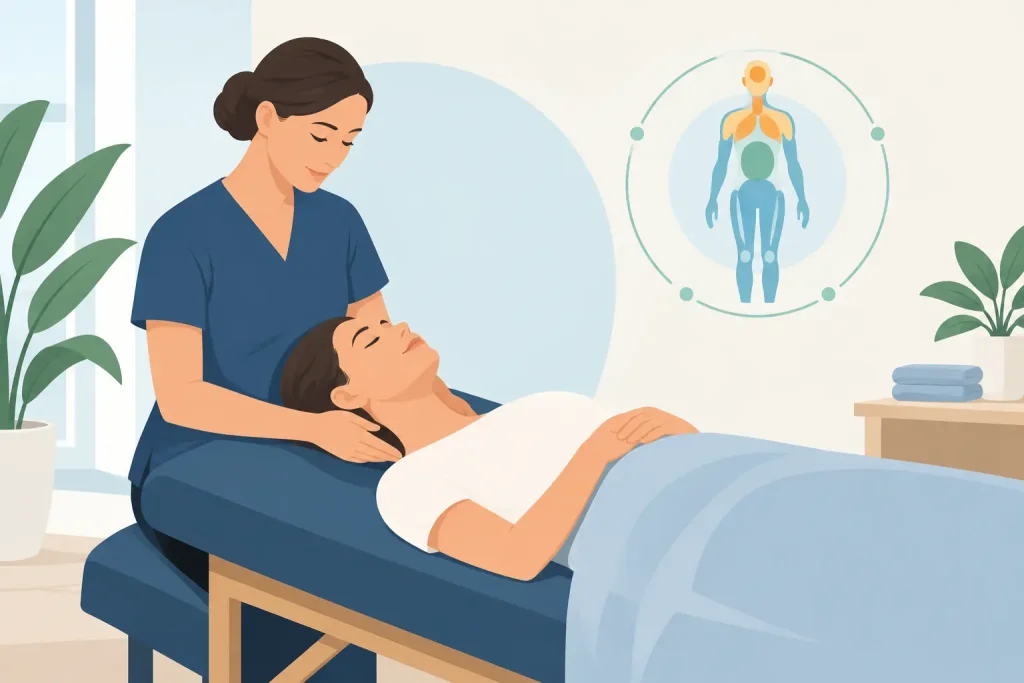
At Alchemy Chiropractic, care is centered on helping the body return to balance rather than forcing change. That matters after trauma. When the nervous system is overwhelmed, healing is not just about one vertebra or one painful muscle. It is about creating the conditions for the whole body to regulate, recover, and reconnect.
The Zone Technique is designed around six healing systems in the body: glandular, elimination, nervous, digestive, muscular, and circulatory. After a car accident, those systems can all be affected in subtle ways. You may feel muscular pain, but also notice poor sleep, low energy, digestive upset, or a lingering sense of internal stress. Supporting balance across the whole body can help recovery feel more complete.
Car accident chiropractic care is not one-size-fits-all
This is where patients often feel the difference between routine treatment and personalized care. Some injuries respond well to short-term support. Others need a more gradual process. If your body has old injuries, postural strain, or high stress before the accident, those factors can influence how you heal now.
Good care respects that reality. It pays attention to how you are sleeping, how you are moving, what triggers your symptoms, and whether your body is actually integrating treatment well. Healing is not about pushing through pain. It is about helping your system find stability again.
Common concerns people have
Many people worry they are seeking care too soon, or too late. In truth, both situations can still be helped. Early care may reduce the chance that small issues become lasting ones. Later care can still address patterns that never fully resolved, especially if you have been living with headaches, neck tension, or back pain since the accident.
Another common concern is whether chiropractic care will hurt. After an accident, that fear makes sense. The right approach should feel measured, appropriate, and responsive to your condition. Communication matters. Your treatment should match what your body can handle in that moment.
People also wonder whether symptoms that come and go are worth addressing. Usually, yes. Intermittent pain is still a sign that something has not fully stabilized. A body that swings between feeling okay and flaring up under normal stress often needs support, not more time alone.
What to pay attention to after a collision
In the days following an accident, notice how your body behaves during ordinary activities. Turning your head, working at a computer, lifting groceries, sleeping through the night, or sitting in the car can reveal more than the first few hours after impact. If those activities start to feel harder, stiffer, or more painful, your body is telling you something.
It is also worth paying attention to subtle changes in energy and focus. The nervous system plays a central role in healing. When it is stressed, you may not only feel pain. You may feel drained, wired, foggy, or emotionally unsettled. These responses are more connected to physical recovery than most people realize.
The goal of care is not simply to quiet one symptom. It is to help you feel at home in your body again – steady, mobile, clear-headed, and able to move through daily life with more ease.
If you have been in an accident and something still feels off, trust that signal. The body often whispers before it shouts, and early support can make all the difference in how fully you heal.