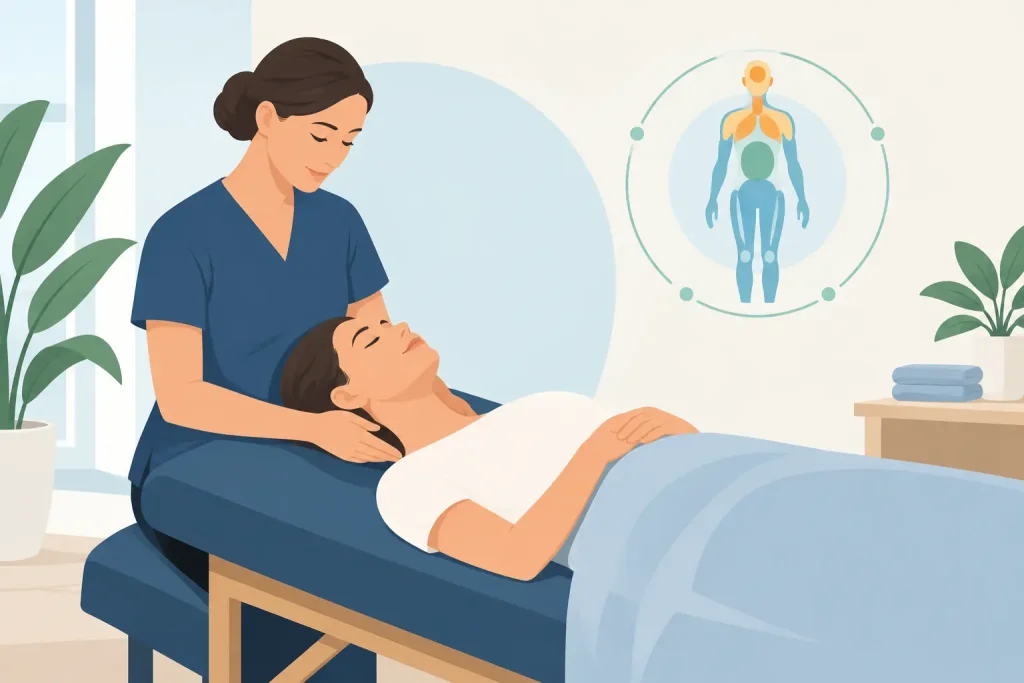


A sore neck can make turning your head difficult. A headache can steal your focus. Low back discomfort can change the way you sleep, work, exercise, and show up for the people you love. But whole body healing begins with a larger question: what else may be affected when your body has been carrying stress, strain, or imbalance for too long?
At Alchemy Chiropractic, care is built around the understanding that the body is connected. The spine, nervous system, muscles, digestion, circulation, sleep, energy, and recovery are not separate experiences. When the body is better aligned and supported, many people feel more capable of returning to the activities and rhythms that make them feel like themselves.
Whole Body Healing Is More Than Chasing Symptoms
It is natural to seek care because something hurts. Pain is real, disruptive, and deserving of attention. Yet pain is not always the entire story. A person may come in for recurring headaches and also describe poor sleep. Someone with low back tension may have stopped walking, playing with their children, or exercising because movement no longer feels comfortable. After an auto accident, stiffness can be obvious, while fatigue, limited range of motion, or lingering discomfort may unfold more gradually.
A whole-body approach does not ignore the symptom. It starts there, listens carefully, and considers how the rest of the body may be responding. The goal is not simply to push through discomfort. It is to help create the conditions for greater balance, ease, and natural healing.
That does not mean every concern has one simple cause or that chiropractic care is the right answer for every health condition. Healing is personal. It can involve lifestyle changes, movement, rest, stress support, medical evaluation, or care from other providers when needed. Thoughtful chiropractic care can be one valuable part of that picture.
Why the Nervous System Matters
Your nervous system is the communication network between your brain and body. It helps coordinate movement, sensation, muscle response, and countless functions that happen without conscious effort. When your body has experienced physical stress, repetitive strain, an injury, or prolonged tension, it may feel harder to move freely and recover fully.
Gentle, specific chiropractic adjustments are designed to support healthier communication between the brain and body. Rather than treating the spine as an isolated structure, this approach recognizes that spinal alignment can influence how comfortably the entire body functions.
For some people, the most noticeable change is reduced tension or improved mobility. Others first notice that they are sleeping more comfortably, feeling less drained by the end of the day, or moving with more confidence. Results vary, and progress can be gradual, especially when discomfort has been present for months or years. What matters is having care that pays attention to your response and adapts to your needs.
The Six Zones of Healing
The Zone Technique offers a clear framework for understanding whole-body balance. It organizes the body into six primary healing zones: glandular, elimination, nervous, digestive, muscular, and circulatory. Each zone reflects a system that contributes to how you feel and function every day.
Glandular and Elimination Zones
The glandular zone relates to the body systems involved in regulation and internal balance. The elimination zone relates to the body’s ability to process and clear what it no longer needs. When these systems are under stress, people may describe feeling off, depleted, or unlike themselves, even when they cannot point to one obvious injury.
Chiropractic care does not replace medical care for hormonal, kidney, liver, or other health concerns. Instead, the Zone Technique gives your chiropractor a way to assess patterns of imbalance and provide personalized support within the scope of chiropractic care.
Nervous and Digestive Zones
The nervous zone focuses on the brain-body communication that influences how you respond to stress and movement. The digestive zone recognizes that physical tension, daily habits, and nervous system stress can affect how comfortable and settled the body feels.
Many people are surprised by how closely stress and physical discomfort travel together. Tight shoulders, jaw clenching, shallow breathing, disrupted sleep, and digestive unease can all show up during demanding seasons of life. A gentle adjustment, paired with a plan that fits your circumstances, can help you feel more grounded in your body.
Muscular and Circulatory Zones
The muscular zone involves the muscles, joints, posture, and movement patterns that help you work, exercise, and enjoy daily life. The circulatory zone relates to the body’s flow and nourishment. These zones are especially meaningful for active adults, busy professionals, people who spend long hours at a desk, and anyone recovering after physical trauma.
A runner with hip tightness, a parent who repeatedly lifts a child, and a driver recovering from a collision may all need different care. Personalized chiropractic is not a one-size-fits-all sequence of adjustments. It is an ongoing conversation between what your body is experiencing and what it needs next.
What Personalized Care Can Feel Like
The first step is being heard. A meaningful chiropractic visit begins with time to discuss what brought you in, how long it has been going on, what makes it better or worse, and what you hope to return to. That may be sleeping through the night, working without constant tension, getting back to the gym, or simply having enough energy to enjoy a weekend in Southern Maine.
From there, your chiropractor can assess your posture, movement, spinal alignment, and zone patterns. Care is gentle and specific, with adjustments chosen for your body rather than a routine checklist. Some patients feel a difference quickly. Others benefit from consistent care as their body responds and adapts over time.
The most helpful care plans are realistic. If you are recovering from an auto injury, your needs may include careful monitoring as symptoms change. If you are seeking pediatric chiropractic care for your child, the approach should be age-appropriate, gentle, and centered on your family’s questions. If you are managing chronic tension from work and daily stress, a plan may focus on restoring mobility while supporting better habits between visits.
Supporting Healing Between Visits
Your time outside the office matters, too. Small choices can help your body hold onto the progress you are making. This is not about perfection or adding another demanding wellness routine to your schedule. It is about noticing what helps you feel more supported.
Consistent sleep, hydration, regular movement, breaks from prolonged sitting, and comfortable ergonomics can all make a difference. So can paying attention to the signals your body gives you. Persistent pain, numbness, weakness, severe headaches, chest pain, sudden symptoms, or symptoms after a significant injury deserve prompt medical evaluation.
Whole-body healing is not a promise that life will be free of stress, injury, or discomfort. It is a more compassionate way to respond when those things happen. Instead of accepting pain and imbalance as your normal, you can choose care that sees your body as capable, connected, and worthy of individual attention.
If you have been waiting for your body to “just get over it,” consider a different approach. A calm conversation, a careful assessment, and gentle, personalized chiropractic care may be the next meaningful step toward feeling more balanced in the life you are already living.