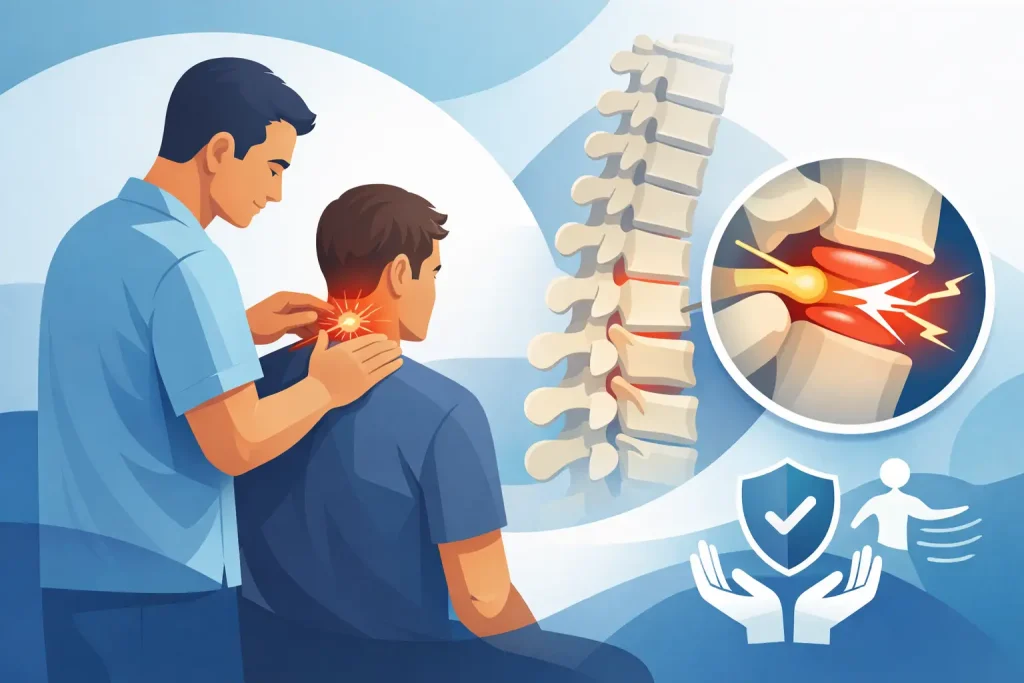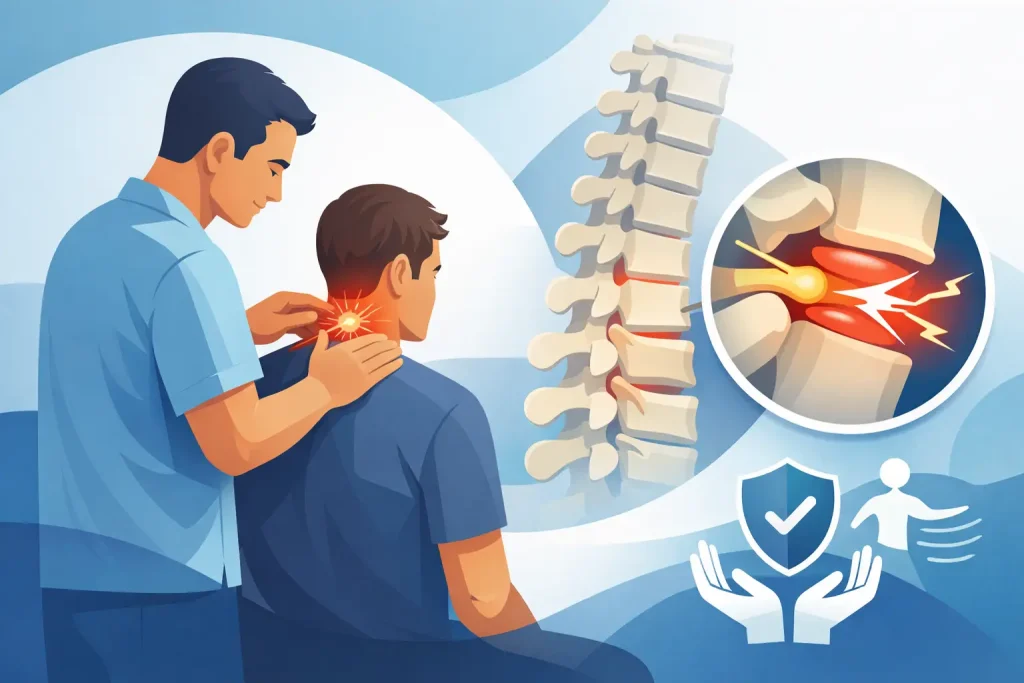


You can be exhausted at 9 p.m., spend eight hours in bed, and still wake feeling like your body never fully powered down. For many people, the missing piece is not simply a better mattress or a stricter bedtime. Understanding how spinal alignment affects sleep can reveal why discomfort, restlessness, headaches, and morning stiffness keep interrupting the restoration your body needs.
Your spine is more than a stack of bones. It protects the nervous system, supports movement, and helps your body adapt to the positions you hold all day and all night. When it is under stress, your body may have a harder time finding the ease and balance that quality rest requires.
How Spinal Alignment Affects Sleep Quality
Sleep asks your body to let go. Muscles need to soften, breathing needs to settle into a steady rhythm, and the nervous system needs room to shift away from the demands of the day. When areas of the spine are irritated, restricted, or held in an imbalanced pattern, that process can become more difficult.
A person may not always describe this as back pain. It can show up as frequent position changes, a tight neck at bedtime, tingling in an arm, aching hips, jaw tension, or waking before the alarm with no clear reason. The body is often trying to find a position that feels safe and comfortable enough to rest.
Alignment is not about achieving a perfectly straight posture or forcing the body into one “correct” shape. Bodies are individual, and healthy spines have natural curves. The goal is better balance, mobility, and communication between the brain and body so your system is not working overtime while you are trying to sleep.
Tension can keep the body on alert
When a joint is not moving well or surrounding muscles are compensating, the body may create protective tension. That tension can be especially noticeable after a long workday at a desk, a demanding workout, lifting children, driving, or recovering from an accident.
At night, protective tension does not always disappear just because you are lying down. A tight upper back can make side sleeping uncomfortable. Neck irritation may make it difficult to find the right pillow position. Low-back or pelvic discomfort can lead to repeated tossing and turning. Each small disruption can pull you out of the deeper stages of sleep that leave you feeling restored.
The nervous system is part of the sleep conversation
The brain and body are in constant communication through the nervous system. Signals related to movement, pain, pressure, and internal function travel through this system all day long. When the body is managing persistent physical stress, some people feel wired, guarded, or unable to fully settle.
This does not mean every sleep issue comes from the spine. Stress, sleep apnea, hormones, medication, illness, caffeine, and inconsistent schedules can all play a major role. But when sleep changes alongside headaches, stiffness, pain, reduced mobility, or a recent injury, spinal health deserves thoughtful attention.
Common Signs Your Sleep Position Is Not Supporting You
Morning symptoms offer useful clues. If you feel worse when you wake up than when you went to bed, your overnight positioning may be adding strain instead of allowing recovery. A stiff neck that fades after a hot shower, numbness that appears in a particular sleeping position, or low-back tightness after lying still can all point to a need for better support and an assessment of underlying imbalance.
Your preferred position matters, but there is no single best position for everyone. Back sleeping may feel calming for one person and aggravate snoring or low-back discomfort for another. Side sleeping can be supportive, especially when the head, shoulders, hips, and knees are well cushioned, but it may also irritate a sensitive shoulder. Stomach sleeping can place the neck in a prolonged turned position, though a sudden change may not be comfortable or realistic for someone who has slept that way for years.
The better question is: Can your body stay comfortable, supported, and relaxed in that position? If the answer is no, changing pillows alone may help somewhat, but it may not address the reason your body is resisting rest.
Why Daytime Habits Follow You to Bed
Sleep posture matters, but it is only one part of the picture. The way you move through the day shapes what your body brings into the night.
Hours spent looking down at a phone, working from a laptop, carrying a heavy bag on one shoulder, or sitting without movement breaks can create strain through the neck, shoulders, and mid-back. Active adults may feel it after repetitive training, gardening, running, or lifting. Parents often carry the physical demands of children along with the mental demands of a full household. Even a minor auto injury can leave the body bracing long after the initial event.
These patterns are not a failure of discipline. They are a sign that your body has been adapting. Gentle movement, hydration, regular breaks from one position, and supportive sleep habits can reduce some of that load. Still, persistent symptoms are worth addressing rather than simply pushing through them night after night.
A Whole-Body View of Better Rest
At Alchemy Chiropractic, care is centered on the understanding that the body heals best when its systems can work in greater harmony. The Zone Technique looks beyond a single sore area to consider six healing zones: glandular, elimination, nervous, digestive, muscular, and circulatory.
This whole-body perspective matters for sleep because rest is not only a muscular issue. Someone may come in for neck tension and also describe low energy, digestive discomfort, frequent headaches, or trouble settling at night. These experiences do not always have one simple cause. Personalized care allows the practitioner to listen to the full pattern, assess the body carefully, and provide gentle, specific adjustments intended to support balance and natural healing.
Chiropractic care is not a replacement for medical evaluation of serious sleep concerns. Loud snoring, gasping during sleep, chest pain, severe numbness or weakness, unexplained weight changes, or ongoing insomnia deserve prompt attention from the appropriate healthcare professional. A chiropractor can be one supportive part of a broader wellness plan, particularly when musculoskeletal discomfort or post-injury tension is affecting rest.
Simple Ways to Make Sleep More Supportive
A few practical adjustments can help your body feel more at ease while you work on the bigger picture. Choose a pillow that keeps your neck closer to a neutral position rather than sharply bent up or down. For side sleeping, a pillow between the knees may reduce pulling through the hips and low back. For back sleeping, a small pillow beneath the knees can ease pressure for some people.
Before bed, try a few minutes of gentle movement rather than aggressive stretching. Slow shoulder rolls, an easy walk, calm breathing, or light mobility can signal to the body that it is time to transition out of the day. If you wake with the same pain repeatedly, resist the urge to keep buying new pillows without a plan. Notice the pattern: where you hurt, what position triggers it, and whether the discomfort began after work stress, exercise, pregnancy, or an injury.
Consistency also matters. Your body responds well to predictable cues. A regular wind-down routine, lower evening screen stimulation, and a sleep environment that is cool and quiet can support the nervous system alongside physical care.
When It Is Time to Seek Personalized Care
Consider a chiropractic evaluation when poor sleep is tied to recurring neck, back, hip, shoulder, or jaw discomfort; when you wake stiff most mornings; or when pain after an auto accident is making it hard to get comfortable. Children who seem uncomfortable in bed, complain of growing aches, or show postural changes may also benefit from a gentle, age-appropriate assessment.
The right care should feel personal. Your story, daily demands, health history, and goals matter. A focused approach can help identify where your body may be compensating and create a plan that supports steadier movement, less tension, and a greater sense of ease.
Rest is not a luxury your body has to earn. When your spine, muscles, and nervous system are given thoughtful support, bedtime can become less about enduring discomfort and more about allowing your body the space to restore itself.