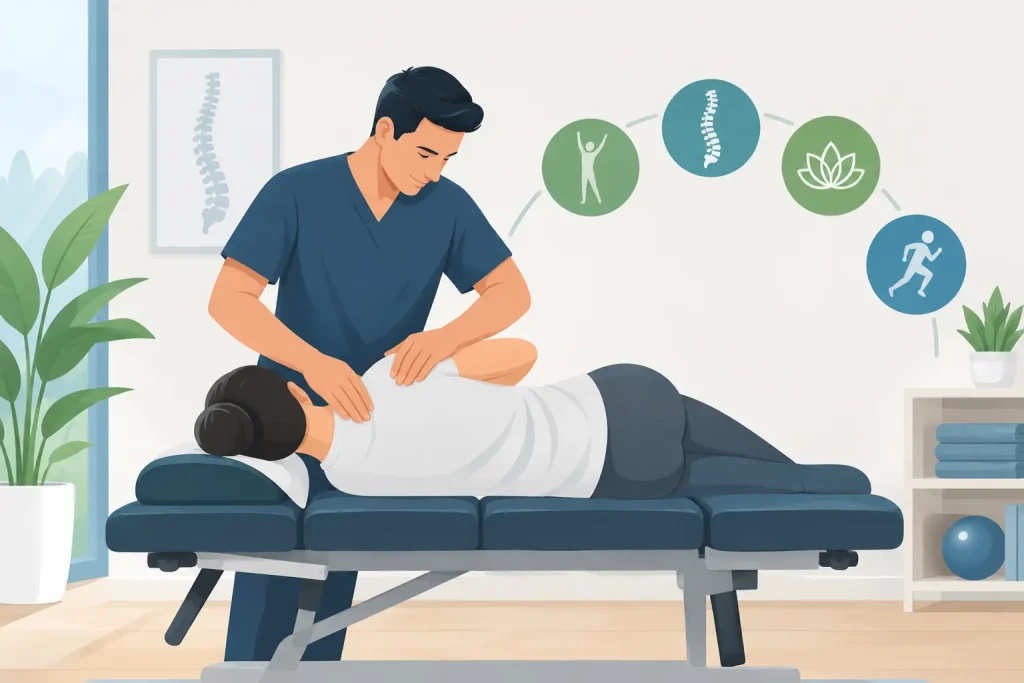


A growing belly changes more than posture. It can change how you sleep, walk, sit at your desk, get out of the car, and move through an ordinary day. For many expectant mothers, how chiropractic supports pregnancy comfort comes down to thoughtful, gentle care that helps the body adapt to those changes with less tension and more ease.
Pregnancy is not a problem to be fixed. It is a profound process of growth and transformation. But that does not mean you have to simply push through every ache, restless night, or feeling of stiffness. Personalized chiropractic care can be one supportive part of a prenatal wellness plan, helping you stay connected to your body as it does extraordinary work.
Why Pregnancy Can Feel So Physically Demanding
As pregnancy progresses, the body makes room for a baby in beautifully coordinated ways. Hormones increase joint laxity, the center of gravity shifts forward, and the muscles of the low back, hips, pelvis, legs, and upper body take on new demands. Even a body that felt strong and comfortable before pregnancy may begin to feel unfamiliar.
Low back soreness, hip discomfort, pelvic tension, neck and shoulder tightness, and fatigue are common concerns. Some women notice that long walks become uncomfortable. Others find that turning in bed, standing at the kitchen counter, or lifting a toddler requires more effort than it once did.
These experiences are not identical for everyone. Comfort can be shaped by prior injuries, work demands, activity level, stress, sleep, the stage of pregnancy, and whether this is a first or subsequent pregnancy. The goal is not to force the body into a perfect posture. It is to support balance, mobility, and a more comfortable relationship with movement.
How Chiropractic Supports Pregnancy Comfort Through Gentle Care
Chiropractic care during pregnancy is adapted to the patient in front of the practitioner. Rather than treating pregnancy like a standard appointment with a few modifications, a thoughtful approach considers what has changed in your body, where you feel strain, what activities matter most to you, and how you are responding from week to week.
Gentle, specific adjustments may help address areas of joint restriction and muscular tension that contribute to discomfort. When the spine and pelvis are moving as well as possible, many patients feel that everyday movement becomes easier. They may find more comfort while sitting, walking, sleeping, or changing positions.
Care is not about making dramatic movements or asking you to tolerate discomfort. Pregnancy chiropractic appointments often use supportive positioning and techniques designed with comfort in mind. Your provider should listen carefully, explain what they are doing, and adjust the approach as your needs evolve.
For some women, the greatest benefit is relief from a particular area of tension. For others, it is the sense that their body feels more coordinated and less guarded. Results vary, and chiropractic care should never promise a particular pregnancy or birth outcome. Still, feeling supported in your movement can make a meaningful difference during a season when your body is changing quickly.
Supporting the Low Back, Hips, and Pelvis
The low back and pelvis often carry the most noticeable changes of pregnancy. As the abdomen grows, many people naturally lean back slightly or change the way they stand. The hip flexors, glutes, pelvic muscles, and low-back muscles may all respond by working harder.
A chiropractor can assess patterns of tension and restricted movement in these areas and provide gentle care intended to improve comfort and mobility. This is especially valuable when discomfort begins to limit normal routines, such as walking the dog, getting comfortable at night, or keeping up with family and work.
It also helps to remember that pain is not always located where the imbalance begins. Hip discomfort may be influenced by low-back mechanics. Upper-back tension may be connected to changes in posture, breast tenderness, or the way you are sleeping. A whole-body perspective can reveal useful connections without reducing every symptom to a single cause.
Creating Space for Easier Daily Movement
Pregnancy comfort is often found in small moments. Being able to roll over in bed with less strain matters. So does taking a walk without needing to stop early, sitting through a meeting more comfortably, or picking something up from the floor with greater confidence.
Chiropractic care may support those daily movements by helping the joints and muscles work together more freely. Your chiropractor may also offer practical guidance around posture, gentle movement, rest positions, or how to modify activities that are aggravating a sensitive area. The best recommendations are realistic ones that fit your actual life, not a long list of rules that creates more pressure.
A Whole-Body View of Prenatal Wellness
At Alchemy Chiropractic, we see the body as an interconnected system rather than a collection of separate symptoms. Our Zone Technique approach considers six healing zones: glandular, elimination, nervous, digestive, muscular, and circulatory. During pregnancy, this whole-body lens can be especially grounding.
The muscular zone may be where you most clearly feel strain in your hips, back, or shoulders. Yet sleep, stress, digestion, energy, and nervous system tension can all influence how well you feel day to day. Gentle chiropractic care is designed to support balance throughout the body, honoring its natural ability to adapt and heal.
This does not mean chiropractic replaces prenatal medical care. Your obstetrician, midwife, and other members of your care team remain essential partners in a healthy pregnancy. Chiropractic works best as a complementary form of support, with open communication and care that respects your medical history, current symptoms, and provider recommendations.
When to Talk With Your Prenatal Provider First
Before beginning chiropractic care, let your prenatal provider know what you are considering, particularly if your pregnancy has been identified as high risk or you have new or concerning symptoms. A chiropractor should also complete a thorough history and know about any complications, restrictions, or warning signs you have been given.
Seek prompt medical guidance for vaginal bleeding, fluid leakage, painful regular contractions before term, severe or sudden abdominal pain, severe headache, vision changes, fainting, chest pain, shortness of breath, fever, sudden swelling, or a noticeable decrease in fetal movement. These symptoms need medical evaluation, not a wellness appointment.
There are also times when care may need to be modified, delayed, or coordinated closely with your medical team. That is not a setback. It is what responsible, personalized care looks like.
What a Pregnancy Chiropractic Visit Should Feel Like
A reassuring first visit begins with conversation. You should have room to describe where you feel discomfort, what makes it better or worse, what your days look like, and what you hope to be able to do with greater ease. Your chiropractor should ask about your pregnancy, health history, prior pregnancies, injuries, and prenatal care.
From there, the examination and care plan should be gentle and clear. You deserve to understand why a particular area is being assessed and what the intended purpose of care is. You should also feel comfortable speaking up if a position does not feel right or if your symptoms change between visits.
Frequency depends on your needs. Someone with new low-back tension may benefit from a short period of more frequent support, while another patient may choose occasional wellness visits as her body changes. There is no universal schedule that fits every pregnancy. A plan should be responsive, not rigid.
Pairing Chiropractic With Everyday Comfort Habits
Chiropractic care can be more effective when it is part of a larger rhythm of support. Gentle movement approved by your prenatal provider, such as walking, prenatal yoga, or swimming, can help maintain mobility. Rest is equally important, especially when your body is asking for it.
Simple adjustments at home can also reduce unnecessary strain. A pillow between the knees may make side sleeping more comfortable. Taking regular breaks from prolonged sitting can ease stiffness. Supportive shoes, a slower pace, and asking for help with heavy lifting are practical choices, not signs of weakness.
Most of all, pay attention to your body without judgment. Pregnancy asks for flexibility in more ways than one. Some days you may feel energized and capable; other days, rest may be the most healing choice available.
A comfortable pregnancy is not about controlling every change. It is about having caring support, useful options, and space to feel at home in your body as it carries you toward the next chapter.