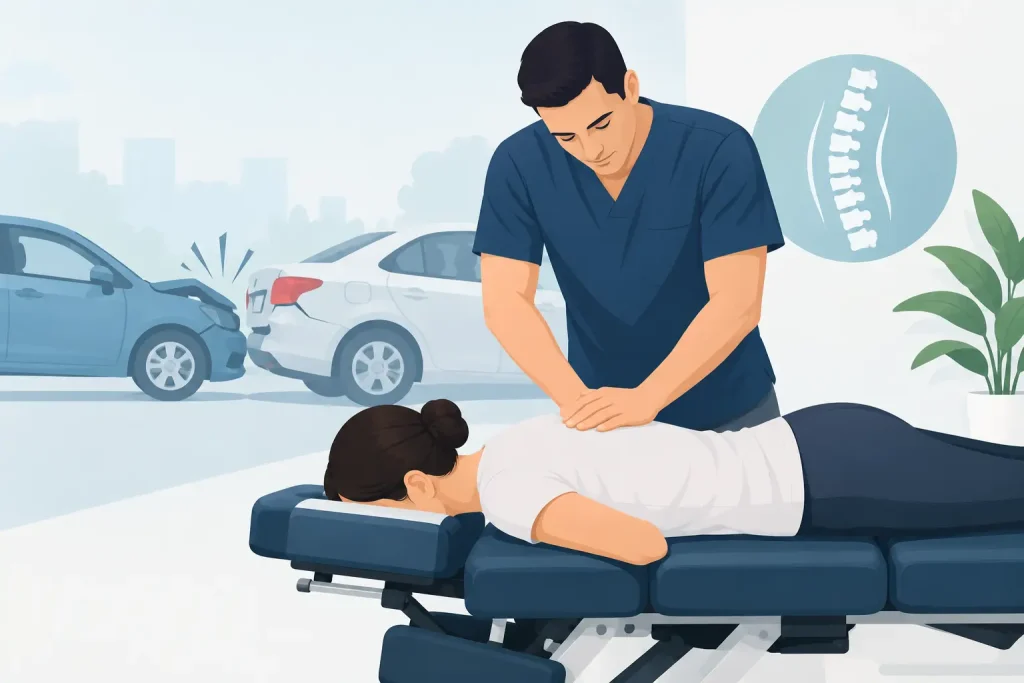


A low-speed collision can still leave a lasting imprint on the body. You may walk away feeling shaken but mostly fine, only to notice neck stiffness, headaches, low back pain, poor sleep, or a sense that your body is simply not moving the way it used to. This auto injury recovery example shows how care can support healing when symptoms do not appear all at once.
Every accident is different, and recovery is never one-size-fits-all. The goal is not to push through discomfort or simply wait for it to disappear. It is to listen to the body, identify where it has lost balance, and create a gentle, personalized path back toward comfort, movement, and harmony.
An Auto Injury Recovery Example: When Pain Shows Up Later
Consider a patient who is rear-ended while stopped at a traffic light. The impact is not dramatic. Their car has visible damage, but they do not need emergency treatment at the scene. In the first day or two, they feel sore across the shoulders and tired, but assume rest will take care of it.
By the end of the week, the picture changes. Turning their head while driving becomes difficult. They wake with a headache near the base of the skull. Sitting at a desk causes tension to spread from the neck into the upper back, and sleep becomes restless because no position feels comfortable for long.
This delayed pattern is common after an automotive injury. In the moment of impact, the body may release stress hormones that can temporarily mask pain. Muscles also tighten protectively. Once the initial shock settles, irritation, restricted movement, and compensation patterns may become more noticeable.
A person in this situation may be tempted to focus only on the neck. Yet an accident can affect much more than one painful area. A forceful jolt may influence the muscular system, nervous system, circulation, sleep, digestion, energy, and the way the body coordinates movement as a whole.
Starting With a Thoughtful Evaluation
At the first visit, the most meaningful question is not simply, “Where does it hurt?” It is also, “What changed after the accident?” A thorough conversation may include the details of the collision, when symptoms began, what movements are difficult, whether headaches or numbness are present, and how discomfort is affecting work, driving, exercise, and rest.
The chiropractor may then evaluate posture, range of motion, areas of tenderness, and the body’s overall patterns of stress. This helps shape care around the individual rather than applying the same approach to every injury.
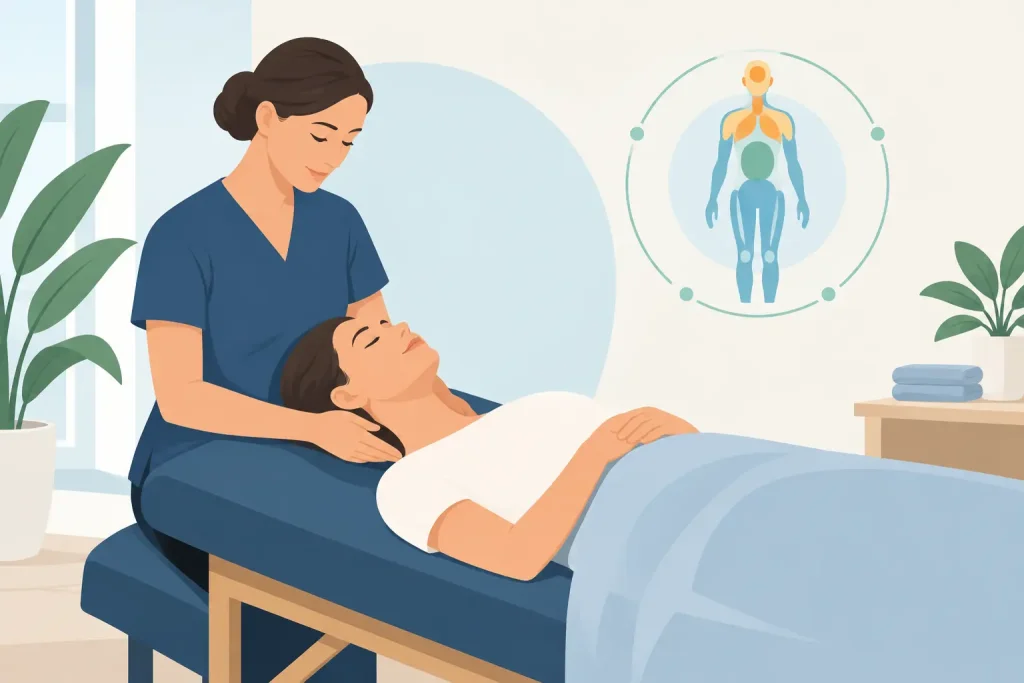
At Alchemy Chiropractic, this whole-body perspective is central to care. The Zone Technique considers six healing zones: glandular, elimination, nervous, digestive, muscular, and circulatory. After an accident, the body may need support in more than the muscular zone alone. Gentle, specific chiropractic adjustments are designed to help restore communication between the brain and body so the body can return to a more balanced state.
This does not mean every symptom has one simple cause, or that chiropractic care is the right first step for every situation. Severe pain, worsening weakness, loss of sensation, confusion, chest pain, or symptoms following a significant head injury require prompt medical evaluation. Chiropractic care can be a valuable part of recovery when it is appropriate for the patient’s condition and coordinated with other needed care.
A Gentle Plan for the First Weeks
For this patient, care begins with gentle adjustments tailored to their comfort and findings. The first goal is often to reduce stress in the body and support easier movement, not to force a quick fix. When the nervous system has been on alert since an accident, a calm and precise approach can matter deeply.
In the early visits, the patient may notice that their neck turns more freely and that the constant shoulder tension begins to ease. Their headaches may become less frequent, or they may sleep more comfortably. Progress can be encouraging, but it is rarely a perfectly straight line. A demanding workday, a long drive, or poor sleep can temporarily bring symptoms back into focus.
That is why recovery plans often include practical guidance between visits. The patient may be encouraged to use comfortable movement rather than complete inactivity, take breaks from prolonged sitting, stay aware of driving posture, and avoid returning too quickly to activities that sharply increase pain. The right recommendations depend on the injury, the person’s daily demands, and any guidance from their medical providers.
Rest has a role, especially in the first days after an accident. But too much stillness can sometimes make the body feel more guarded. Gentle movement, when appropriate, can help a person reconnect with confidence in their body. The key is pacing. Healing is supported by consistency, not by proving how much discomfort you can tolerate.
Looking Beyond the Pain Scale
By several weeks into care, our example patient may report less neck pain. That is meaningful, but it is not the only sign of progress. They may also notice that they are less irritable after work, can check blind spots while driving without bracing, wake with more energy, or return to walks and family activities they had been avoiding.
These changes matter because pain is only one part of the experience of an auto injury. When the body is under strain, daily life tends to narrow. People stop moving naturally, sleep lightly, and become cautious about ordinary activities. As balance begins to return, the body often feels more capable and life starts to feel more open again.
Care frequency may change as recovery unfolds. Someone with acute symptoms may benefit from closer support early on, while later visits may focus on maintaining mobility, addressing lingering tension, and helping the body continue to adapt. The appropriate timeline depends on the nature of the injury, the person’s health history, their response to care, and whether other treatments are involved.
Why Documentation and Communication Matter
After a motor vehicle accident, it is wise to seek an evaluation promptly, even if symptoms feel manageable at first. Clear documentation can help establish when symptoms began and how they are affecting everyday life. It also gives the care team a better starting point for tracking meaningful changes over time.
Bring any relevant accident information, insurance details, imaging results, or recommendations from other providers to your visit. Honest communication is especially helpful. Mention new symptoms, changes in pain, medication use, and anything that makes daily activities harder. Healing care works best when the plan reflects what is truly happening in your body.
Recovery may include chiropractic care, primary care, physical therapy, imaging, or other support depending on the situation. There is no prize for handling an injury alone. The right care team helps create a clearer, safer path forward.
A Return to Trusting Your Body
The most powerful part of this auto injury recovery example is not that every ache disappears on a particular date. It is that the patient begins to feel connected to their body again. They move with less fear, sleep with less interruption, and recognize that healing can be supported through patient, attentive care.
An accident can disrupt more than your schedule. It can interrupt your sense of ease in your own body. With a thoughtful evaluation, gentle chiropractic care, and a plan built around your individual needs, recovery can become a process of restoring balance rather than merely chasing symptoms.
If you are still feeling the effects of an accident, let your body’s signals be heard. A caring next step can create room for comfort, confidence, and the steady return of your natural capacity to heal.