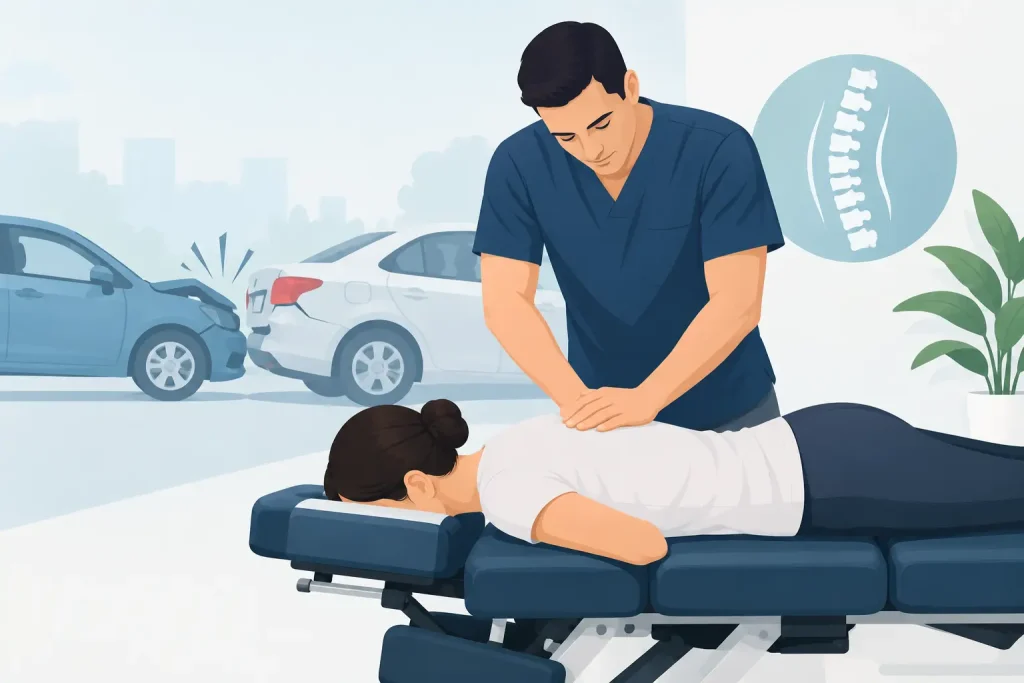


Persistent pain can make life feel smaller. A headache changes how you work and parent. Tightness in your jaw, shoulders, or low back can follow you from the car to the kitchen to bed. This review of Zone Technique care explains why some people seek a different kind of chiropractic experience: one that looks beyond the place that hurts and considers how the whole body may be working together.
At Alchemy Chiropractic, care is built around a simple belief: your body has an extraordinary capacity to heal when it is supported, balanced, and able to communicate clearly. Zone Technique care is not about chasing symptoms with a one-size-fits-all adjustment. It is a gentle, specific approach designed to help identify areas of imbalance and support the body’s natural restorative process.
What Is Zone Technique Care?
The Zone Technique is a chiropractic system that views the body through six interconnected healing zones: glandular, elimination, nervous, digestive, muscular, and circulatory. Each zone represents an important body system. When a zone is under stress, the effects may be felt in ways that do not seem immediately connected.
For example, someone may come in because of neck pain but also describe low energy, poor sleep, digestive discomfort, or tension that returns no matter how often they stretch. Those experiences do not automatically point to one cause. Still, they can offer meaningful context. Zone Technique care uses that context to guide a personalized chiropractic assessment and adjustment plan.
This is what makes the approach feel different from a quick, routine visit. The focus is not only on where discomfort is loudest. It is on recognizing patterns in the body and supporting greater harmony across the systems that influence how you feel each day.
How a Zone Technique Visit Typically Feels
A first visit should feel like a conversation, not an assembly line. Your chiropractor begins by learning about your health history, current concerns, daily routines, past injuries, and goals. You may be seeking relief after an auto accident, trying to return to exercise comfortably, or looking for support after months of headaches or interrupted sleep.
The assessment includes specific chiropractic testing used to identify which of the six zones may need attention. The process is gentle and intentional. Rather than assuming every patient needs the same adjustment, the chiropractor uses the findings to determine where care may be most helpful that day.
Adjustments are then tailored to the person in front of them. Many patients appreciate the focused, hands-on nature of the care. Some feel a noticeable sense of ease after a visit, while others experience changes gradually as their body responds over a series of appointments. Both experiences can be normal. Healing is personal, and the right pace depends on your history, condition, lifestyle, and goals.
The Six Healing Zones in Everyday Terms
The six zones give patients an understandable framework for whole-body care. They are not a diagnosis, and they do not replace medical evaluation when it is needed. Instead, they help organize the way a chiropractor looks at stress patterns and function within the body.
Glandular and elimination zones
The glandular zone relates to the body’s regulatory systems, while the elimination zone relates to the processes that help the body clear waste. People often become interested in whole-body chiropractic care when they feel run down, off balance, or unlike themselves. Zone-focused care may be part of a wellness plan for those who want to support their body with consistent, personalized attention.
Nervous and digestive zones
The nervous zone is central to chiropractic care because the nervous system helps coordinate communication throughout the body. When people describe feeling tense, depleted, or unable to fully relax, this is often an area they want their chiropractor to consider. The digestive zone recognizes that comfort, nourishment, and overall well-being are closely tied to how the body is functioning as a whole.
Muscular and circulatory zones
The muscular zone is especially meaningful for active adults, busy parents, desk workers, and anyone recovering from physical strain. It may be relevant when stiffness, reduced mobility, recurring tension, or movement-related discomfort is getting in the way of daily life. The circulatory zone reflects the importance of healthy flow and the body’s ability to deliver what tissues need to function well.
These categories are useful because they keep the conversation broad enough to honor the full person. A sore back matters. So does the stress you carry, the sleep you are missing, the old collision you never fully recovered from, and the activities you want to return to.
A Balanced Review of Zone Technique Care
Zone Technique care can be a strong fit for patients who want a thoughtful, individualized chiropractic approach. It is particularly appealing if you are tired of feeling rushed, if you value gentle adjustments, or if you want your care to account for more than a single painful area.
The potential benefit is the depth of the approach. Your symptoms are treated as part of a larger story, not as an inconvenience to silence. Many people find that perspective reassuring, especially when they have been living with recurring discomfort or feel that previous care did not fully address their concerns.
There are also realistic considerations. Zone Technique is not a substitute for emergency care, medical diagnosis, or treatment for serious illness. Sudden severe symptoms, chest pain, significant weakness, trouble speaking, unexplained weight loss, fever, or symptoms after a major injury require timely medical attention. A responsible chiropractic office will encourage the appropriate referral or co-management when needed.
Results also vary. Some concerns respond quickly, while long-standing patterns or injuries may require time and a consistent care plan. No ethical provider should promise that one adjustment will resolve every issue. The value of a personalized plan is that it can be adjusted as your body changes and your goals become clearer.
Who May Benefit From This Approach?
Zone Technique care is often chosen by adults who want support for back or neck discomfort, headaches, TMJ tension, reduced mobility, muscular tightness, or the physical effects of stressful routines. It can also be a meaningful option for people who simply want to feel more connected to their health, energy, and movement before discomfort becomes their normal.
Families may appreciate a practice that creates distinct pathways for pediatric patients. Children need care that respects their stage of development, their comfort, and the concerns of their parents. The same individualized mindset matters after an automotive injury, when the body may be dealing with pain, stiffness, or delayed discomfort following a collision.
The best candidate is not someone with a perfect wellness routine. It is someone who is ready to listen to their body and explore care that is specific to their needs. You do not need to have the right words for what feels off. A careful consultation is designed to help make sense of the picture.
Questions Worth Asking Before You Begin
A good chiropractic relationship leaves room for questions. Ask how the assessment works, what the chiropractor is noticing, and why a particular adjustment is recommended. Ask what progress might reasonably look like for your concern and how often your plan will be reassessed.
It is also helpful to share your preferences. If you are nervous about adjustments, have had a previous injury, are pregnant, or have a complex health history, say so. Personalized care begins with honest communication. You should feel heard, respected, and clear about the next step.
For Southern Maine patients seeking a gentler, whole-body approach, Alchemy Chiropractic offers care grounded in precision, compassion, and the belief that healing is possible. The most helpful next step is often a simple one: give your body the time, attention, and skilled support it has been asking for.