

A low-speed collision can leave your car with a small dent and your body feeling surprisingly shaken. You may feel fine at the scene, then wake up the next morning with a stiff neck, low back soreness, a headache, or a strange sense that your body is not moving the way it normally does. So, can chiropractic help after a fender bender? For many people, gentle and personalized chiropractic care can be a meaningful part of recovery.
The key is not to ignore symptoms simply because the crash seemed minor. Your body absorbs force differently than your vehicle does. A sudden stop can strain muscles, joints, and connective tissues, even when airbags do not deploy and the damage appears limited.
Why a Fender Bender Can Still Affect Your Body
During a collision, your body may be pushed forward, backward, or sideways in a fraction of a second. Your head, neck, shoulders, spine, and hips have to respond to that force quickly. Muscles can tighten to protect you, joints can become irritated, and your normal movement patterns can change.
Whiplash is one well-known example. It can involve neck pain and stiffness, but its effects are not always limited to the neck. Some people notice headaches, jaw tension, shoulder pain, dizziness, fatigue, trouble sleeping, or pain that travels into the arms. Others feel low back or hip discomfort from bracing against the impact.
Symptoms can also take time to appear. Adrenaline may temporarily mask discomfort, while inflammation and muscular guarding build over the following hours or days. That delay is one reason a thoughtful assessment can be valuable after an accident, even if you initially believe you are okay.
Can Chiropractic Help After a Fender Bender?
Chiropractic care may help address musculoskeletal discomfort, restricted movement, and tension that can follow an auto injury. Rather than simply chasing the most painful spot, a chiropractor evaluates how the body is functioning as a connected system. A sore neck, for example, may be affecting the shoulders, posture, sleep, and the way you turn your head while driving.
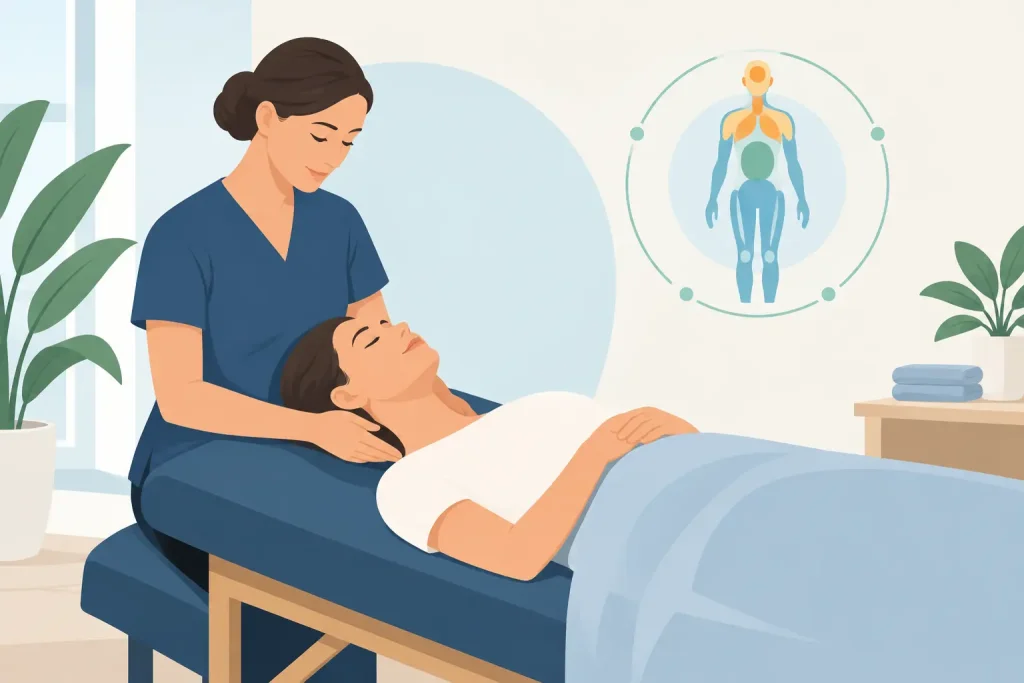
At Alchemy Chiropractic, care is centered on gentle, specific adjustments and the Zone Technique, a whole-body approach that considers six healing zones: glandular, elimination, nervous, digestive, muscular, and circulatory. After a fender bender, the muscular and nervous systems often deserve particular attention, but the goal is broader than reducing one symptom. It is to help the body return to greater balance and harmony as it heals.
Care is always individualized. Some patients need support for acute stiffness and limited range of motion. Others are dealing with persistent headaches, tension, or a body that still feels “off” weeks after the crash. Your history, symptoms, examination findings, and comfort level should shape the plan.
What Chiropractic Care May Support
After an appropriate evaluation, chiropractic care may support recovery by helping improve joint motion, ease muscular tension, and reduce the strain that develops when your body starts compensating for pain. When moving your neck hurts, for instance, you may unconsciously elevate one shoulder, rotate your torso instead of your head, or avoid normal activity. Those protective patterns can create new areas of discomfort over time.
Gentle chiropractic adjustments are not about forcing your body through pain. They are intended to restore more natural motion and communication between the brain and body. For many patients, that can mean less stiffness, easier movement, better posture, fewer tension-related headaches, and more comfortable sleep.
There is an important distinction here: chiropractic care is not a substitute for emergency or medical care when an injury requires it. It also does not guarantee a specific outcome. Healing timelines vary based on the force of the collision, preexisting conditions, stress levels, sleep, activity demands, and how soon care begins. Still, early, attentive care can help you better understand what your body needs instead of trying to push through warning signs.
What to Expect at an Auto Injury Visit
A good first visit begins with listening. You should have space to describe the accident, when symptoms began, what movements aggravate them, and how your discomfort is affecting work, parenting, exercise, and rest. Details matter. A headache that started the day after a rear-end collision tells a different story than a chronic headache pattern that existed long before the accident.
Your chiropractor may assess posture, spinal movement, muscle tension, and areas of joint restriction. They will also consider whether your symptoms suggest a need for imaging, medical evaluation, or referral to another provider. This is especially important after an auto accident, where the safest care plan sometimes involves more than one type of support.
If chiropractic care is appropriate, treatment should be tailored to your body and stage of recovery. In the early phase, a gentle approach may be best. As your comfort and mobility improve, care may evolve to support more complete movement, resilience, and return to daily activities.
When to Seek Urgent Medical Attention First
Do not wait for a chiropractic appointment if you have signs of a serious injury. Seek urgent medical evaluation after a crash for severe or worsening headache, loss of consciousness, confusion, repeated vomiting, new weakness or numbness, difficulty speaking, chest pain, shortness of breath, severe abdominal pain, loss of bladder or bowel control, or significant pain that is rapidly getting worse.
You should also be evaluated promptly if you have neck pain with neurological symptoms, are taking blood thinners, have known osteoporosis, or have a medical condition that may affect how your body responds to trauma. Your safety comes first. Chiropractic care can be part of a coordinated recovery plan when it is appropriate for your condition.
Small Steps That Can Support Healing at Home
The first few days after a fender bender are often a time to slow down and pay attention. Avoid treating soreness as something you must “work off.” Give your body opportunities to recover through restful sleep, regular hydration, and gentle movement within a comfortable range.
It can also help to notice patterns. Does pain increase after sitting at a desk? Is turning your head while backing out of a parking space difficult? Are headaches showing up in the afternoon? A simple symptom journal can help you and your provider see what is improving and what still needs attention.
Try not to overdo stretches, intense workouts, or heavy lifting before you understand the nature of your injury. Complete stillness is not always helpful either. The right amount of movement depends on your symptoms and the guidance of your care team. Gentle walking and frequent changes of position are often easier on the body than hours of rigid sitting, but individual recommendations matter.
Give Your Body a Clear Path Forward
A fender bender may be common, but the discomfort that follows is personal. You deserve care that looks beyond a single sore area and takes your full experience seriously. Whether symptoms began immediately or showed up days later, a careful chiropractic evaluation can help identify areas of tension, imbalance, and restricted movement that may be standing between you and feeling like yourself again.
Listen to the signals your body is sending. Getting support early can be a simple, compassionate step toward restoring comfort, confidence, and a greater sense of ease in your daily life.