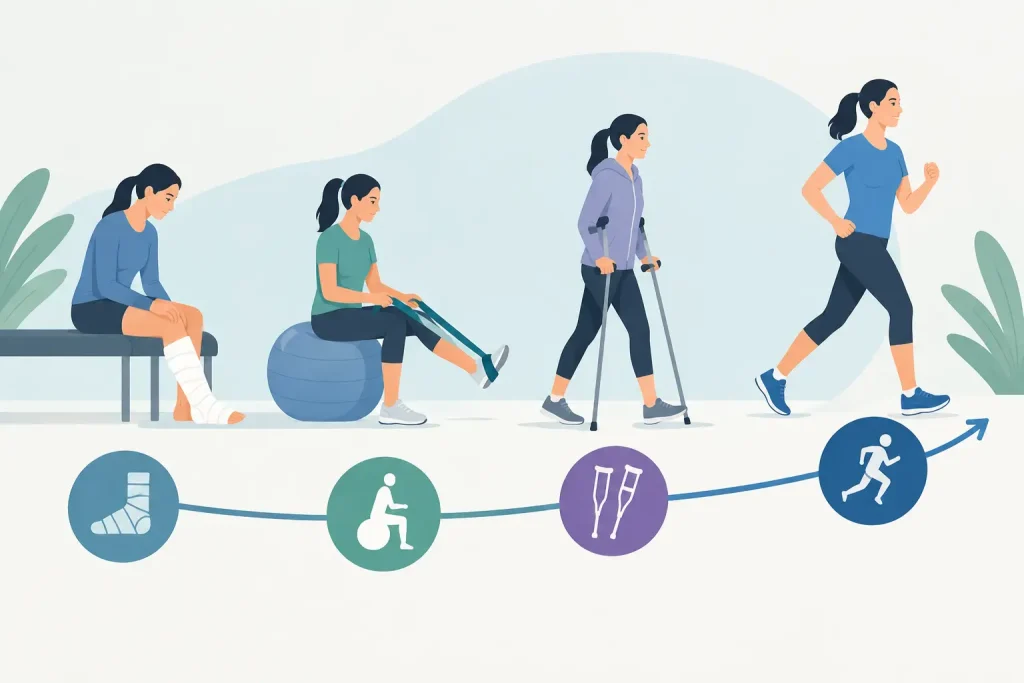


A car accident recovery chiropractic case study is rarely about one dramatic adjustment or a quick fix. After a collision, the body can hold tension long after the vehicle is repaired. A person may walk away feeling shaken but functional, only to develop neck stiffness, headaches, low-back pain, poor sleep, or a sense that their body is simply not moving the way it used to.
The following illustrative case reflects a common recovery pattern after an auto accident. Every injury, health history, and recovery timeline is different. Chiropractic care can be a supportive part of a care plan, but urgent symptoms after a crash require immediate medical evaluation.
The crash was over, but the discomfort was not
“Sarah,” a 38-year-old Southern Maine professional, was rear-ended while stopped at a light. Her vehicle sustained visible damage, but she did not believe she was seriously injured at the scene. She felt tense, sore across the shoulders, and emotionally rattled, but she was able to go home.
Over the next several days, that soreness changed. Turning her head while driving became difficult. She woke with a dull headache behind her eyes and noticed a pulling sensation from the base of her neck into her upper back. By the end of her workday, she felt drained and irritable. Sitting through meetings aggravated her low back, and sleep no longer felt restorative.
This delayed pattern is common after a collision. The force of an impact can cause the body to brace quickly. Muscles may tighten to protect vulnerable areas, joints can become irritated, and the nervous system may remain on alert. Adrenaline can also mask discomfort in the hours immediately following an accident.
Sarah first sought appropriate medical assessment to rule out serious injury. Once she was cleared for conservative care, she looked for support that would address more than the place that hurt most.
Looking beyond the sore neck
At Alchemy Chiropractic, an auto injury visit begins with listening. The purpose is not to rush someone onto a treatment table or treat every accident exactly the same. It is to understand how the collision has affected daily life: movement, work, sleep, energy, stress, and the body’s ability to settle.
For Sarah, the evaluation considered her neck and upper-back tension, limited range of motion, recurring headaches, low-back discomfort, and the way she was compensating through her posture. It also considered her previous health history and the physical demands of her job.
This is where a whole-body perspective matters. Pain is meaningful information, but it is not always the entire story. A guarded neck can affect shoulder movement. Interrupted sleep can amplify pain sensitivity. Ongoing stress after an accident can keep the body in a protective state, making it harder to feel at ease even when the initial shock has passed.
A note on safety after an accident
Chiropractic care is not a substitute for emergency care. New or worsening severe headache, confusion, fainting, vomiting, chest pain, shortness of breath, numbness, weakness, loss of coordination, or bowel and bladder changes should be assessed promptly by an emergency medical professional.
The right next step depends on the person and the injury. Imaging, medical treatment, physical therapy, massage, chiropractic care, or a combination of approaches may be appropriate. Good recovery care respects those boundaries and coordinates when needed.
A gentle plan for car accident recovery
Sarah’s care plan focused on gentle, specific chiropractic adjustments and regular reassessment rather than aggressive treatment. Her first goal was simple: reduce the tension that made ordinary movement feel guarded and uncomfortable.
The approach also drew from the Zone Technique, which views the body through six connected healing zones: glandular, elimination, nervous, digestive, muscular, and circulatory. After a collision, the muscular and nervous zones may be especially relevant, yet the effects of stress, disrupted routines, reduced activity, and poor sleep can be felt more broadly.
Rather than assuming every symptom came from one spinal segment, care was tailored to Sarah’s presentation at each visit. Gentle adjustments were used to support alignment and reduce areas of restriction. She was also encouraged to pay attention to hydration, comfortable movement, supportive sleep positions, and pacing at work instead of pushing through every flare-up.
That pacing mattered. In the first stage of recovery, trying to “get back to normal” too quickly can lead people to overdo activity on a good day, then spend the next day feeling worse. The goal was not to avoid movement altogether. It was to help Sarah return to it with more confidence and less strain.
What changed over the following weeks
Sarah did not report a perfectly straight-line recovery. Some days felt easier than others, especially after long periods at her desk or a poor night’s sleep. That is a realistic part of healing after physical trauma. Progress is often measured in small but meaningful shifts.
After several visits, she noticed she could check her blind spot with less hesitation. Her headaches became less frequent, and the pressure across her shoulders no longer dominated the end of every workday. Her low back still needed attention after prolonged sitting, but she felt more aware of when she was beginning to tense and better able to respond before discomfort escalated.
As care continued, sleep became more comfortable and her energy began to return. Those changes were important because they affected more than pain. When someone can rest, move, and work with less guarding, the body has more room to recover.
This is not a promise that every patient will experience the same results on the same schedule. Age, the force and direction of impact, prior injuries, stress levels, other health conditions, and how quickly someone receives appropriate evaluation can all influence recovery. Still, Sarah’s experience illustrates a core truth: the body often needs support after an accident, even when the injury is not immediately obvious.
Why personalized care matters after a collision
Auto injuries are often described with broad labels, but no two crashes place the same demands on the body. A low-speed rear-end collision can still leave someone with significant stiffness. Another person may be more troubled by headaches, jaw tension, hip pain, or a nervous system that does not seem to settle.
A personalized chiropractic plan allows care to change with the patient. Early visits may focus on comfort, gentle motion, and reducing protective tension. Later care may support a fuller return to activity, whether that means carrying a child, exercising, commuting, or sitting through a demanding workday.
It also gives the patient a place to ask practical questions. Should you use heat or ice? When is it reasonable to resume exercise? Why does pain seem to move from one area to another? While answers depend on the individual, clear guidance can replace uncertainty with a steadier sense of control.
The deeper lesson in this chiropractic case study
The most valuable lesson from this car accident recovery chiropractic case study is that recovery deserves attention before pain becomes a new normal. You do not have to wait until discomfort is unbearable to seek a thoughtful assessment. And you do not need to treat symptoms as isolated problems when the whole body is responding to a stressful event.
Healing after an accident can ask for patience. It can also ask for a care plan that sees the person behind the injury – the parent, professional, athlete, or neighbor who wants to turn their head comfortably, sleep deeply, and feel at home in their body again.
If you are recovering from a recent collision, start by honoring what your body is telling you. Seek appropriate medical guidance, choose care that feels attentive and specific, and give yourself permission to heal at a pace that supports lasting balance.