

A useful Zone Technique review starts with a simple question: when your body feels off, is the problem always limited to the spot that hurts? A stiff neck may come with headaches. Low back tension may affect sleep, energy, or the ease of moving through a normal day. Zone Technique chiropractic care is built around the belief that the body works as an interconnected system, and that restoring balance can support a more complete healing response.
For people in Falmouth and Southern Maine who want care beyond a quick adjustment and a rushed appointment, this approach can feel refreshingly personal. It is gentle, specific, and centered on understanding what your body needs at that particular visit.
What Is the Zone Technique?
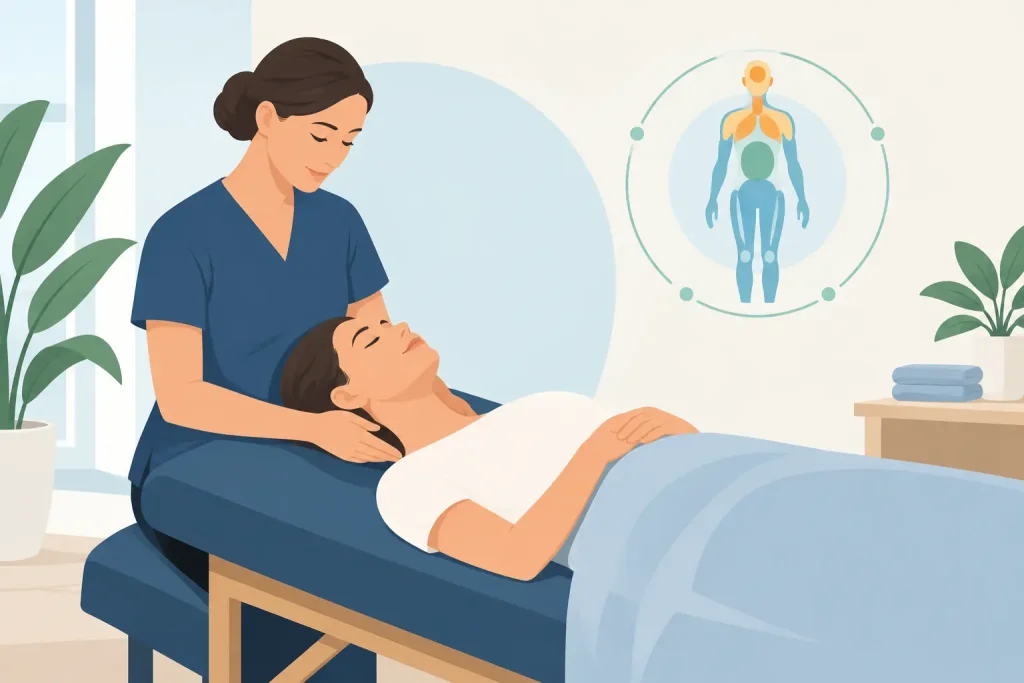
The Zone Technique is a chiropractic system that organizes the body’s functions into six healing zones: glandular, elimination, nervous, digestive, muscular, and circulatory. Rather than treating every patient with the same sequence of spinal adjustments, the chiropractor evaluates which zone may be under the most stress and then delivers a focused adjustment intended to support better communication between the brain and body.
The central idea is not that every symptom has one easy explanation. Bodies are more complex than that. It is that discomfort, fatigue, tension, and reduced mobility can be influenced by how well the nervous system coordinates the body as a whole. When that communication is disrupted, the effects may show up in places that seem unrelated at first.
A Zone Technique visit therefore looks at more than the painful area. Someone seeking help for shoulder tension, for example, may also be asked about sleep, digestion, stress, headaches, old injuries, or changes in energy. These details help create a fuller picture of the patterns affecting daily life.
The Six Healing Zones in Everyday Terms
The names of the six zones can sound technical, but their purpose is easy to understand. Each one represents a broad group of body functions that work together to maintain internal balance.
The glandular zone relates to the systems involved in regulation, including how the body responds to stress and maintains its natural rhythms. The elimination zone is associated with the body’s ability to process and clear waste. The nervous zone focuses on communication between the brain, spine, and body. The digestive zone relates to the function of the digestive system and the way nourishment supports energy and well-being.
The muscular zone is often familiar to patients dealing with tightness, aches, limited movement, jaw tension, or the physical effects of repetitive work and exercise. The circulatory zone relates to the movement of blood and the body’s ability to deliver oxygen and nutrients where they are needed.
These zones are not separate compartments. They influence one another. Persistent stress can affect muscle tension and sleep. An old injury can change movement patterns and place extra strain on other areas. This is why Zone Technique care is designed to look for balance rather than chase symptoms one by one.
What Happens During a Zone Technique Visit?
A thorough first visit should begin with listening. Your chiropractor will want to know what brought you in, when your concerns began, what makes them better or worse, and how they affect work, family life, exercise, rest, and other routines. For patients recovering from an automotive injury, the conversation may also include the mechanics of the accident and any changes that developed afterward.
The examination may include posture, spinal motion, muscle tension, and other gentle assessments. In Zone Technique care, the practitioner uses a specific analysis to identify which of the six zones appears most in need of support. From there, the adjustment is tailored to the findings rather than selected from a standard routine.
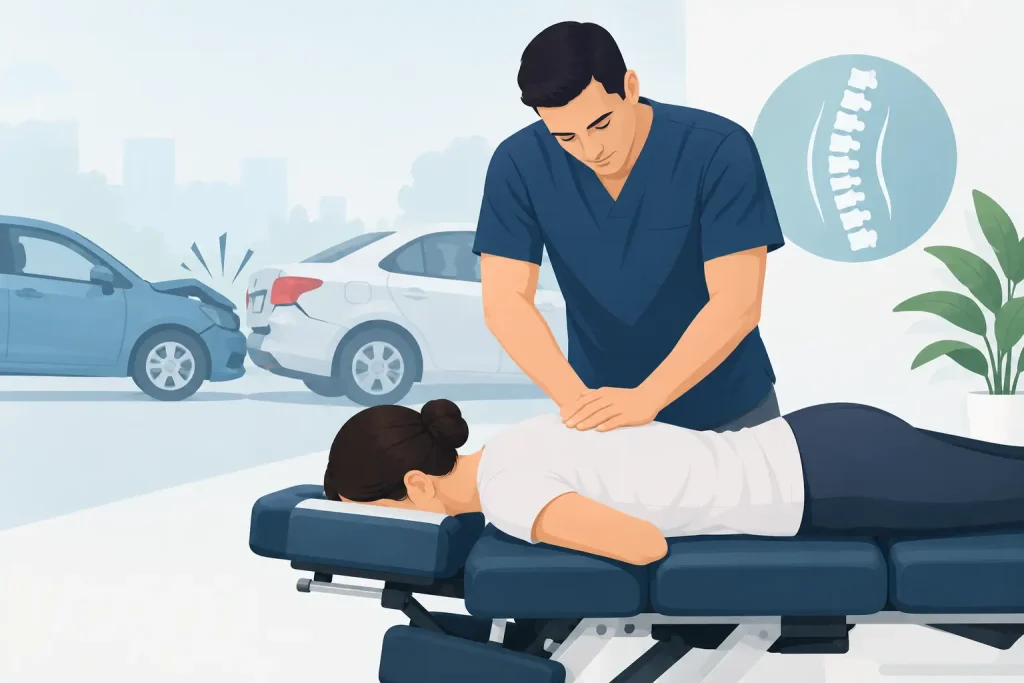
The adjustment itself is often gentler than people expect. Chiropractic does not have to mean forceful twisting or dramatic cracking. Depending on your body, history, and comfort level, care may involve precise contact at specific areas of the spine. The goal is to help reduce interference in the nervous system and encourage the body to return to a more balanced state.
You may leave a visit feeling lighter, more mobile, or deeply relaxed. Some people notice changes quickly, while others need time and a consistent care plan before they recognize meaningful progress. That difference matters. Healing is personal, and a trustworthy chiropractor will set expectations based on your individual presentation rather than promising the same timeline for everyone.
A Zone Technique Review: Potential Benefits and Realistic Expectations
Many patients seek this kind of care because they are tired of managing discomfort without feeling like they are getting to the source of it. They may want support for back or neck pain, headaches, TMJ tension, muscle stiffness, reduced range of motion, stress-related tension, or the lingering effects of a physical injury.
The potential benefit of the Zone Technique is its full-body lens. Instead of asking only, “Where does it hurt?” it also asks, “What patterns might be keeping your body from adapting well?” For adults balancing demanding jobs, workouts, parenting, and long commutes, that broader perspective can be especially valuable.
Still, it helps to hold realistic expectations. Chiropractic care is not a replacement for emergency care, surgery when surgery is indicated, medication management, or evaluation for serious medical conditions. Chest pain, sudden weakness, severe headache, difficulty speaking, loss of bowel or bladder control, fever with significant pain, or symptoms after a major trauma require prompt medical assessment.
For non-emergency concerns, chiropractic may be one meaningful part of a larger wellness plan. The best outcomes often come when care is paired with practical habits such as appropriate movement, supportive sleep routines, hydration, stress management, and follow-through with other medical providers when needed. A whole-body approach should make room for both natural healing and sound clinical judgment.
Who May Appreciate This Style of Care?
Zone Technique chiropractic can be a good fit for people who want their concerns heard in context. It may appeal to the active adult whose body no longer recovers as easily as it once did, the professional who carries stress in the neck and shoulders, or the parent looking for gentle, individualized care for a child.
Pediatric care deserves special consideration. Children are not simply smaller adults, so the assessment and adjustment approach should be age-appropriate, gentle, and guided by a clear understanding of the child’s health history. Parents should feel comfortable asking why a recommendation is being made, what the care plan involves, and what changes they should watch for at home.
Patients after a car accident may also value a careful, personalized approach. Even a collision that seems minor in the moment can leave the body sore, guarded, and less mobile in the days that follow. The right plan depends on the nature of the injury, the presence of red flags, imaging or medical recommendations, and how symptoms evolve. Good chiropractic care works within those boundaries, not around them.
Questions Worth Asking Before You Begin
Choosing a chiropractor is personal. The right office should make you feel informed, not pressured. Ask how the practitioner determines which zone needs attention, whether adjustments are adapted for your comfort, and how progress will be measured over time.
It is also reasonable to ask about visit frequency. Some people begin with more frequent visits when symptoms are active, then move into less frequent care as they improve. Others may need a different rhythm altogether. A thoughtful recommendation explains the why behind the plan and leaves room for reassessment.
At Alchemy Chiropractic, the focus is on creating a calm space where patients can understand their care and feel supported through each stage of healing. The aim is not to make your body fit a formula. It is to offer precise care that respects the way your body responds.
The most meaningful measure of a Zone Technique experience is often not one dramatic moment. It is the gradual return of trust in your body: moving with less hesitation, resting more comfortably, having more energy for the people and activities that matter, and feeling more at home in yourself.