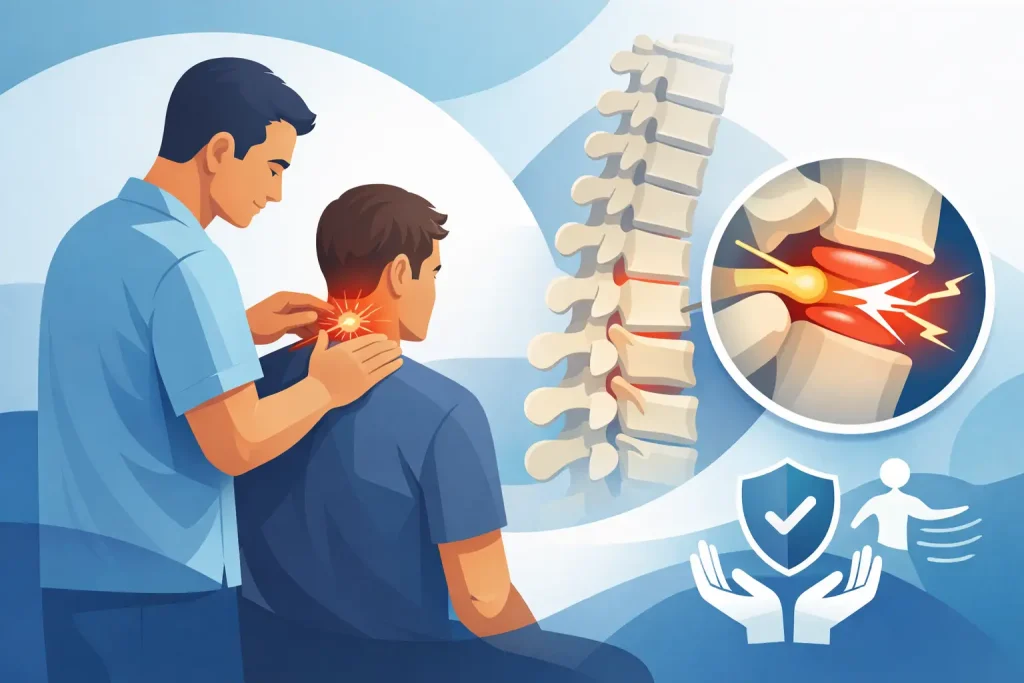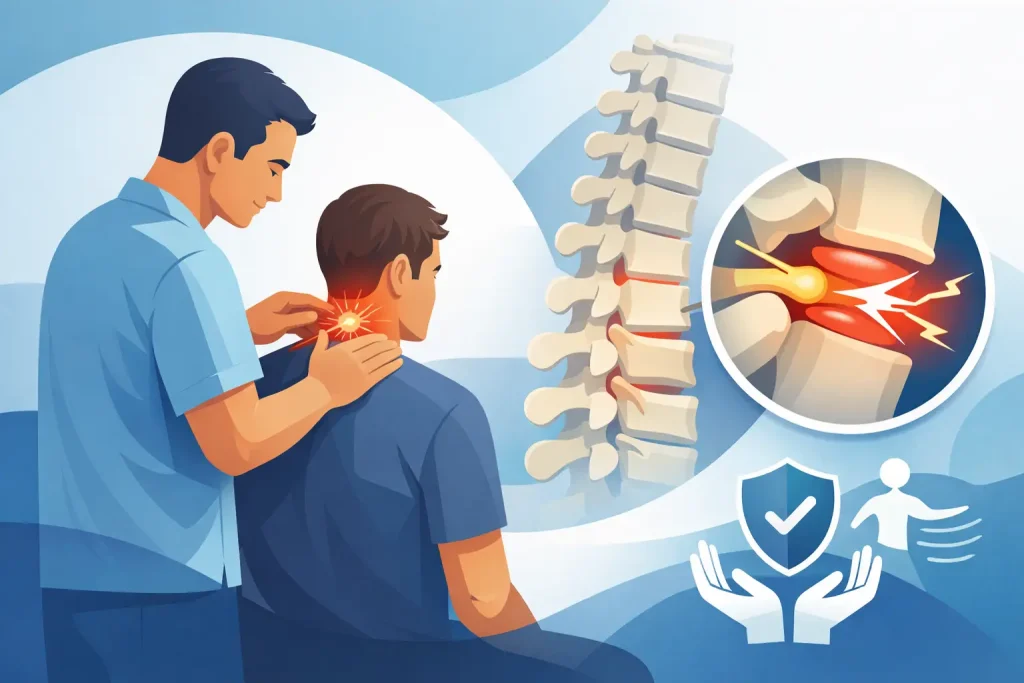


The day after a car accident can feel strangely confusing. You may be grateful to have walked away, only to wake up with a stiff neck, a pounding headache, soreness between your shoulders, or a low back that suddenly does not want to bend. That is exactly why a guide to chiropractic after collision care matters. Some injuries show up right away, but many begin as subtle tension patterns that build over hours or days as your body tries to protect itself.
A collision does not only affect one spot. Even a relatively minor impact can jolt the spine, tighten muscles, irritate joints, and disrupt the way the nervous system communicates with the rest of the body. You may feel pain, but you may also notice fatigue, brain fog, poor sleep, jaw tension, dizziness, or a general sense that your body is not quite settled. Those signs deserve attention.
Why chiropractic after a collision can help
After an accident, the body often shifts into defense mode. Muscles brace. Movement changes. Inflammation rises. You may start holding yourself differently without realizing it, which can create new tension in areas that were not part of the original impact. A neck injury can lead to headaches. A low back strain can affect the hips. Shoulder tightness can travel into the mid-back and jaw.
Chiropractic care after a collision is not just about chasing one symptom. It is about checking how the force of the accident affected the body as a whole and helping restore balance where the system has been thrown off. When the spine and nervous system are under stress, healing can feel slower, movement can become guarded, and everyday tasks can start feeling harder than they should.
This is where a thoughtful, personalized approach matters. Gentle, specific adjustments may help reduce restriction, calm irritation, improve mobility, and support the body’s own healing response. For many people, that means less pain. It can also mean better sleep, easier breathing, fewer headaches, and a stronger sense of physical stability.
Common symptoms this guide to chiropractic after collision care covers
Some post-accident symptoms are obvious, and some are easy to dismiss. Neck pain and back pain are common, but they are not the only reason to get evaluated. Headaches, shoulder tension, numbness, tingling, jaw discomfort, reduced range of motion, and muscle spasms can all be connected to collision-related stress.
Whiplash is one of the best-known examples. It often happens when the head is thrown forward and backward quickly, straining the neck and surrounding tissues. The tricky part is that whiplash does not always feel dramatic at first. You might notice stiffness before pain, or headaches before neck soreness. Some people feel fine in the moment because adrenaline is high, then feel significantly worse 24 to 72 hours later.
There is also the less visible side of recovery. After a collision, the body may feel unsettled in ways that are harder to name. You may feel tired all the time, more reactive to stress, or less comfortable in your own body. A whole-body chiropractic perspective pays attention to that too, because healing is not only about reducing pain on a scale from one to ten. It is about restoring function, ease, and internal harmony.
When to get checked after an accident
Sooner is usually better. If you have been in a collision and notice pain, stiffness, headaches, dizziness, or changes in mobility, it is wise to get evaluated as early as possible. Even if symptoms seem mild, waiting too long can allow compensation patterns to settle in. What starts as soreness can become persistent tension or recurring discomfort.
That said, the right timing depends on the situation. If you have signs of a more serious injury, such as severe pain, loss of consciousness, significant neurological symptoms, or suspected fracture, emergency medical care comes first. Chiropractic care can be a powerful part of recovery, but it should fit within the full picture of your health needs.
For many people, the best next step is not guessing. It is getting a professional assessment from someone who understands collision injuries and can determine what areas need support, what care is appropriate, and how to move forward safely.
What to expect at a chiropractic visit after a collision
A good visit should feel calm, clear, and tailored to you. After an accident, you should not feel rushed into a one-size-fits-all plan. Your chiropractor will typically ask about the collision itself, your symptoms, where you feel restricted, and how your daily life has changed since the accident. Small details matter, including whether the impact came from behind, from the side, or at an angle, because each type of force can affect the body differently.
The physical evaluation helps identify areas of tension, misalignment, inflammation, and reduced motion. Just as important, it helps uncover patterns you may not have noticed yourself. Sometimes the place that hurts the most is not the only area involved.
From there, care should be specific and supportive. At Alchemy Chiropractic, this kind of recovery is viewed through a whole-body lens. Rather than treating the body like a collection of isolated parts, care is designed to help restore communication between the brain and body so healing can happen more efficiently. That matters after a collision, because trauma can affect multiple systems at once.
A whole-body approach to healing after impact
After a car accident, people often think only about the spine, but the body responds more broadly than that. Stress from impact can influence muscular tension, circulation, digestion, sleep quality, and how regulated the nervous system feels. This is one reason some people say they feel off after an accident even when they cannot explain exactly why.
A whole-body chiropractic approach recognizes that structural stress and internal imbalance often travel together. If the nervous system remains irritated, your body may stay in a guarded state. If muscles stay tight, circulation and mobility may feel limited. If pain interrupts sleep, recovery can drag on.
That is why gentle, precise care can be so meaningful. The goal is not force. The goal is balance. When the body is given the right support, it often begins to settle, reorganize, and heal in ways that feel both physical and energizing.
Recovery is not always linear
This is one of the most reassuring things to understand early. Some people feel better quickly. Others improve in stages. You may have a few good days and then notice soreness return after sitting at a desk, carrying groceries, or taking a longer drive. That does not always mean something is wrong. It may simply mean your body is still recalibrating.
Healing after a collision depends on several factors, including the force of the accident, your health before the crash, how soon you began care, your stress level, and whether you have had similar injuries in the past. Someone with a very active lifestyle may notice mobility issues more quickly. Someone with a desk job may not realize how much tension has built until headaches or low back pain start interfering with work.
The key is to stay consistent with the plan that fits your body. Recovery tends to go better when care is responsive rather than reactive. Instead of waiting until pain becomes overwhelming again, steady support can help the body move out of survival mode and into a more durable state of healing.
Questions people often have about chiropractic after a collision
One of the most common questions is whether chiropractic care is only for severe accidents. It is not. Even low-speed collisions can create enough force to disturb the neck, back, shoulders, and nervous system. Another question is whether soreness that shows up a few days later still counts. Yes, it does. Delayed symptoms are common after trauma.
People also wonder whether gentle chiropractic care can be effective after an accident. In many cases, yes. The body does not always need aggressive force. It often responds well to careful, specific adjustments that respect the sensitivity of injured tissues while still helping restore movement and balance.
Finally, many people want to know how long care will take. The honest answer is that it depends. Some injuries resolve fairly quickly. Others require a longer arc of support, especially if multiple areas were affected or if the body has been compensating for weeks or months.
If you have been in a collision, trust the signals your body is giving you, even if they seem small. Stiffness, headaches, fatigue, and tension are not signs to push through. They are invitations to get checked, restore balance, and give your body the kind of care that helps healing feel possible again.