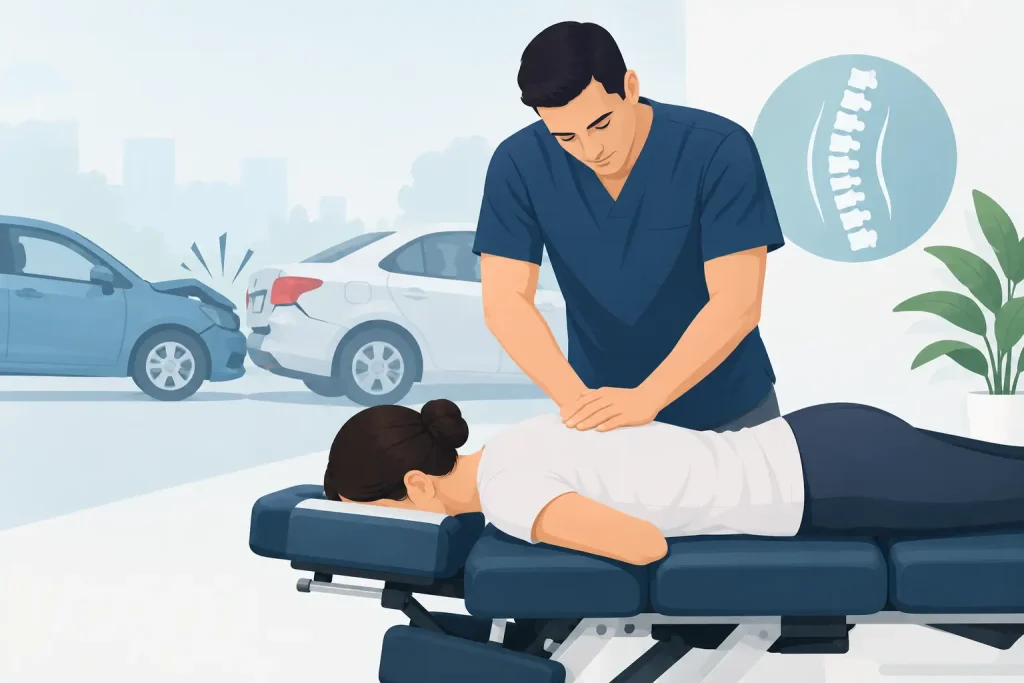


The day after a crash can be strangely confusing. Your car may be damaged, your schedule is disrupted, and your body might feel mostly fine – until your neck stiffens, a headache sets in, or your low back starts to ache hours later. That is often when people start searching for a chiropractor after car accident injuries, hoping to understand what is normal, what is not, and what kind of care can actually help.
Car accidents do not always cause immediate, dramatic pain. In many cases, the body tightens up in response to impact and adrenaline masks the early signs of strain. What looked like a minor fender bender can leave lasting tension in the neck, shoulders, spine, jaw, or hips. That is why early attention matters. Not because every accident leads to serious injury, but because subtle misalignment, inflammation, and nervous system stress can build into a much bigger problem when they are ignored.
Why symptoms often show up later
After an accident, the body shifts into protection mode. Muscles brace. Breathing changes. Stress hormones rise. In the first few hours, that response can make you feel more capable than you really are.
Then the body settles, and the discomfort begins. A headache may start at the base of the skull. Turning your head may feel restricted. You may notice soreness between the shoulders, pain in the low back, numbness in an arm, or fatigue that does not quite make sense. Some people also notice jaw tension, sleep disruption, dizziness, or a general sense that their body feels off balance.
This delayed pattern is one reason chiropractic care can be so helpful after a collision. The goal is not just to chase pain. It is to assess how the impact affected your structure, your movement, and your nervous system so your body has a better chance to heal cleanly rather than compensating its way through the weeks ahead.
When to see a chiropractor after car accident injuries
The best time to be evaluated is usually as soon as possible after emergency concerns have been ruled out. If you have severe pain, suspected fractures, loss of consciousness, chest pain, shortness of breath, or signs of a concussion or neurological emergency, urgent medical care comes first. Chiropractic care is not a replacement for emergency evaluation.
Once serious injury has been addressed, seeing a chiropractor after car accident trauma can be a practical next step, especially if you notice stiffness, headaches, back pain, neck pain, radiating discomfort, or a sense that your body is not moving the way it should. Even if symptoms seem mild, an early exam may reveal areas of irritation or imbalance before they become more entrenched.
That said, there is no single timeline that fits everyone. Some patients come in the same week. Others wait until the pain keeps returning. Earlier care is often easier because the body has had less time to adapt around the injury, but even if some time has passed, it can still be worthwhile to get evaluated.
What a car accident can do to the body
A collision creates force. Even at lower speeds, that force can move the body in abrupt ways it was not designed to handle. The neck is especially vulnerable, but it is rarely the only area involved.
The spine may become restricted or irritated. Muscles can tighten to protect injured tissue. The shoulders may absorb tension from gripping the wheel. The jaw may clench during impact. The pelvis and hips can shift if the body twists or braces unevenly. On top of that, the nervous system may remain overstimulated long after the crash itself is over.
This is why a whole-body approach matters. Pain in one area does not always begin in that exact spot. A headache may be connected to neck tension. Low back pain may be influenced by pelvic imbalance. Lingering fatigue may reflect how much stress the accident placed on the entire system.
At Alchemy Chiropractic, this broader view is part of how healing is approached. Rather than treating the body as a collection of separate complaints, care is designed to restore balance across the systems that influence comfort, energy, and recovery.
What to expect from chiropractic care after an accident
A thoughtful first visit should begin with listening. You should have space to explain what happened, what you are feeling, when symptoms began, and how they are affecting daily life. The evaluation typically looks at posture, movement, areas of tenderness, spinal alignment, and signs of nervous system stress.
From there, care should be specific to your body and your injury. After a car accident, gentle treatment is often the right place to start. Inflamed tissues do not usually respond well to a forceful approach. Precise adjustments, supportive recommendations, and a treatment plan that respects where your body is right now can help you feel safer and more comfortable as healing begins.
For some people, the first goal is reducing acute pain and restoring basic movement. For others, it is calming recurring headaches, easing mid-back tension, or helping the body stop bracing against itself. The right plan depends on the severity of the crash, your overall health, your symptoms, and how long it has been since the accident.
A whole-body view of recovery
After a crash, many people assume they just need to fix the part that hurts. But healing is rarely that narrow. When the nervous system is stressed, the body often pays the price in multiple ways – tighter muscles, poorer sleep, sluggish digestion, reduced energy, and a sense that recovery is taking longer than it should.
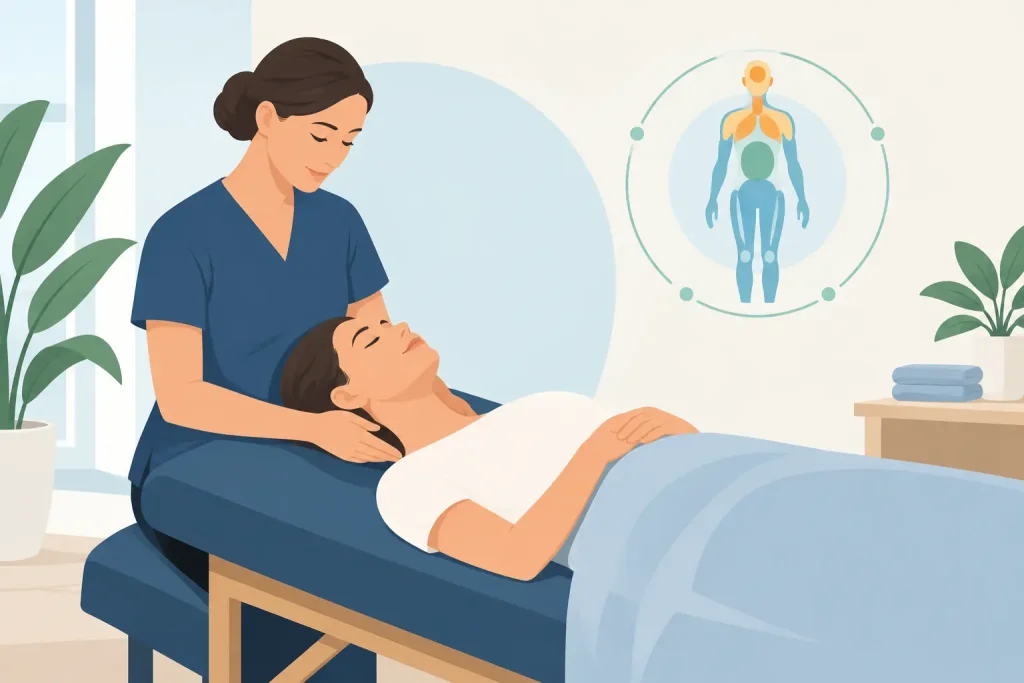
That is where a more holistic model can make a meaningful difference. At our practice, the Zone Technique helps guide care by looking at six healing zones of the body: glandular, elimination, nervous, digestive, muscular, and circulatory. After an accident, these systems may not all be affected in the same way, but they can absolutely influence how supported or overwhelmed your body feels.
For example, someone may come in for neck pain and headaches but also mention poor sleep and fatigue since the crash. Another person may feel low back pain along with digestive changes tied to stress and nervous system overload. Addressing recovery through a whole-body lens does not make the injury less physical. It simply acknowledges that the body heals as an integrated system, not in isolated parts.
Common signs you should not ignore
Some post-accident symptoms are easy to dismiss because they seem manageable at first. Persistent stiffness, recurring headaches, shoulder tension, numbness or tingling, dizziness, jaw pain, and pain that worsens with sitting or sleeping all deserve attention.
The same goes for symptoms that come and go. Intermittent discomfort can still point to underlying imbalance. In fact, on-and-off pain is one reason people delay care for too long. If it is not constant, they assume it is resolving. Sometimes it is. Sometimes the body is simply compensating.
There is also an emotional side to this. Car accidents can leave people feeling shaken, guarded, and disconnected from their usual sense of ease. When the body stays tense, healing often slows down. Gentle chiropractic care can support not just structural recovery but a return to a more settled, balanced state.
Choosing the right chiropractor after car accident care
Not every approach feels the same, and that matters. After an accident, many patients want care that is both effective and calming. They want to understand what is happening in their body without feeling rushed or overwhelmed.
Look for a provider who takes time to assess your full picture, explains care clearly, and tailors treatment to your needs rather than forcing a routine plan. If your body is sore and reactive, gentleness matters. If your symptoms involve more than one area, a whole-body perspective matters. And if you are trying to recover while managing work, parenting, or a busy life, practical guidance matters too.
Healing after a car accident is not always linear. Some people feel relief quickly. Others improve in layers. That does not mean care is not working. It often means the body is unwinding stress patterns that took hold right after the impact.
If your body has not felt quite right since a crash, trust that signal. Getting checked is not overreacting. It is a grounded, proactive step toward restoring alignment, easing pain, and helping your body regain the balance it needs to heal well.