

A recurring headache can make even ordinary days feel smaller. You may wake up already bracing for pressure behind the eyes, lose focus halfway through work, or turn down time with family because light, sound, or neck tension feels like too much. The top natural solutions for recurring headaches are not about pushing through or masking every symptom. They begin with listening to the patterns your body may be trying to show you.
Headaches have many possible causes. Dehydration, skipped meals, stress, poor sleep, eye strain, jaw tension, hormonal shifts, medications, illness, and neck or shoulder strain can all play a role. For many people, relief comes from a thoughtful combination of daily habits and personalized, whole-body care rather than one quick fix.
Start by noticing your headache pattern
Before changing everything at once, pay attention to what happens before a headache begins. A simple note on your phone can reveal useful clues: when the pain starts, where it is felt, what you ate and drank, how you slept, your stress level, screen time, exercise, and whether your neck or jaw felt tight.
The goal is not to become hypervigilant. It is to recognize patterns with compassion. A headache that reliably follows an afternoon of little water and no lunch may need a different response than one that begins after long hours at a desk or after clenching your teeth overnight.
Frequency matters, too. A headache that appears occasionally after a disrupted routine is different from pain that returns several days each week. If headaches are becoming more frequent, more intense, or different from your usual pattern, bring that information to a qualified healthcare professional.
Hydration and steady nourishment support balance
Your brain and body depend on steady input. Even mild dehydration can contribute to head pain, fatigue, and difficulty concentrating, especially after exercise, travel, warm weather, or several cups of coffee without enough water alongside them.
Instead of waiting until you feel thirsty, make water part of the rhythm of your day. Keep it visible at your desk, drink a glass when you wake up, and have water with meals. If you sweat heavily or have been ill, a beverage with electrolytes may be helpful for some people. The right amount varies with body size, activity level, weather, and health needs, so there is no single perfect number for everyone.
Skipping meals can also leave the body feeling stressed and depleted. Aim for regular meals that include protein, fiber-rich carbohydrates, and healthy fats. This helps support more stable energy and may reduce the sharp rise-and-fall cycle that can contribute to headaches for some people. Notice whether highly processed foods, alcohol, excess caffeine, or particular ingredients seem connected to your symptoms, but avoid overly restrictive eating unless you have clear evidence of a trigger or guidance from a professional.
Restore sleep without chasing perfection
A poor night of sleep can lower your resilience to pain. At the same time, sleeping much later than usual on weekends can trigger headaches in some people. Consistency often matters more than perfection.
Create a gentle wind-down ritual that signals safety to your nervous system. Dim the lights, step away from stimulating content, stretch lightly, read, or take a warm shower. Keep your wake time reasonably consistent when possible. If you regularly wake with headaches, snore loudly, gasp during sleep, or feel unrefreshed despite enough time in bed, it is worth discussing those symptoms with a medical provider.
Your sleep position and pillow can matter when neck discomfort is part of the picture. The best setup keeps the head and neck supported in a neutral, comfortable position. A pillow that is too high, too flat, or no longer supportive can leave the muscles of the neck working all night.
Ease the neck, shoulders, and jaw
Many recurring headaches have a musculoskeletal component. Hours spent looking down at a phone, leaning toward a laptop, driving, lifting children, or working through a stressful deadline can create tension through the upper back, shoulders, neck, and jaw. That tension does not always stay local. It can refer discomfort upward into the head.
Small movement breaks can be surprisingly meaningful. Every hour or so, stand up, roll your shoulders, take several slow breaths, and gently move your neck through a comfortable range of motion. Avoid forcing deep stretches or repeatedly cracking your own neck, especially if movement causes sharp pain, dizziness, numbness, or tingling.
Jaw clenching deserves attention as well. If you wake with a sore jaw, notice tooth sensitivity, or feel tension near your temples, try resting the tongue lightly on the roof of the mouth with the teeth apart. Stress-management practices can help, and a dentist may be able to evaluate signs of grinding or discuss whether a night guard is appropriate.
Use calming practices that fit real life
Stress is not an imagined cause of pain. When life feels demanding, the body may stay in a protective, activated state. Muscles tighten, breathing becomes shallow, sleep suffers, and headaches can become more likely or more difficult to settle.
You do not need an hour of meditation to change the tone of your day. Five quiet minutes outside, a short walk, slow breathing before a meeting, gentle yoga, prayer, journaling, or a phone-free lunch break can help create a little more space in the nervous system. The most effective practice is usually the one you can return to consistently.
Try this simple reset when you feel tension building: breathe in gently through your nose, then make your exhale a little longer than your inhale. Let your shoulders drop as you exhale. Repeat for a few rounds. It will not solve every headache, but it can help interrupt the cycle of holding and bracing.
Consider personalized chiropractic care for headache-related tension
When recurring headaches travel with neck stiffness, reduced mobility, shoulder tightness, poor posture, or jaw tension, a careful chiropractic assessment may be a meaningful part of your care plan. Chiropractic care is not a substitute for medical evaluation when red flags are present, and it is not a one-size-fits-all answer. But for appropriate patients, gentle, specific care may help address musculoskeletal tension and support better movement and comfort.
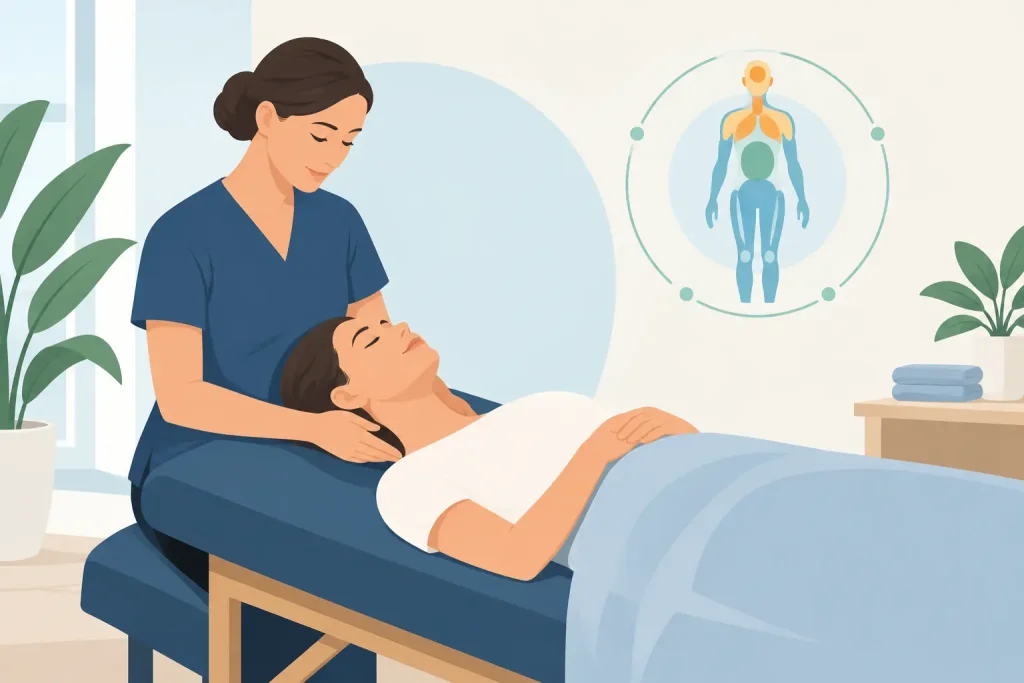
At Alchemy Chiropractic, care is centered on the understanding that the body works as an interconnected system. The Zone Technique considers six healing zones – glandular, elimination, nervous, digestive, muscular, and circulatory – to help identify where the body may need greater balance and support. Rather than simply chasing the location of pain, the focus is on a personalized approach that respects the body’s capacity to heal.
For someone whose headaches seem tied to a demanding work posture, an old injury, muscle tension, or an overwhelmed nervous system, the right plan may include gentle adjustments alongside practical guidance for movement, rest, and daily habits. Progress can look different for everyone. Some people notice changes quickly, while others benefit from steady care and a clearer understanding of the patterns influencing their symptoms.
When natural headache support needs medical attention
Natural approaches are most helpful when they are used wisely. Seek urgent medical care for a sudden, severe headache that feels unlike anything you have experienced before, especially if it reaches peak intensity quickly. Also seek immediate help for a headache after a significant head injury or one accompanied by fainting, confusion, weakness, numbness, trouble speaking, vision changes, fever with a stiff neck, seizure, or persistent vomiting.
Schedule a medical evaluation if your headaches are new after age 50, steadily worsening, happening more often, disrupting daily life, or requiring frequent use of pain medicine. Using over-the-counter pain relievers too often can sometimes lead to rebound headaches, so it is wise to ask a provider about safe use if you reach for them regularly.
Pregnancy, postpartum changes, high blood pressure, autoimmune conditions, cancer history, and new medications can also affect the right next step. A whole-body approach includes knowing when additional testing or medical support is needed.
Build a routine your body can trust
The most sustainable top natural solutions for recurring headaches tend to be simple: drink enough water, eat regularly, protect sleep, move often, release jaw and neck tension, and create moments of calm before stress becomes overwhelming. Then give yourself the benefit of personalized care when the pattern persists.
Your body does not need to be fought into feeling better. With attentive support, gentle consistency, and the right guidance, recurring headaches can become an invitation to restore more balance, comfort, and harmony in the way you move through your days.