

If you have ever left a healthcare appointment feeling like only one symptom was being addressed while the rest of your body was ignored, this question makes a lot of sense: what is zone technique chiropractic? At its core, Zone Technique is a gentle, specific approach to chiropractic care that looks at the body as an interconnected system. Instead of focusing only on where pain shows up, it works to restore balance between the brain and body so healing can happen more naturally.
For many people, that difference matters. Headaches, neck tension, digestive issues, low energy, poor sleep, jaw discomfort, and back pain do not always exist in isolation. When the body is out of balance, symptoms can appear in several places at once. Zone Technique is designed to identify those imbalances and help the body shift back toward harmony.
What is Zone Technique chiropractic trying to do?
Zone Technique chiropractic is based on the idea that the brain coordinates six major systems, or zones, in the body. When communication between the brain and one or more of those zones becomes disrupted, the body can start to compensate. That compensation may look like pain, fatigue, tension, stress, or a general sense that something feels off.
The goal is not to chase every symptom one by one. The goal is to assess which zones are out of balance and then use precise chiropractic adjustments to help the brain reconnect with the body more clearly. When that communication improves, many people notice broader changes than they expected. Relief may show up as less pain, but it can also show up as better energy, calmer nerves, improved sleep, or a stronger sense of overall wellness.
This is one reason Zone Technique often feels different from a more standard, symptom-only model of care. It is still chiropractic, but it is applied through a whole-body lens.
The six healing zones explained
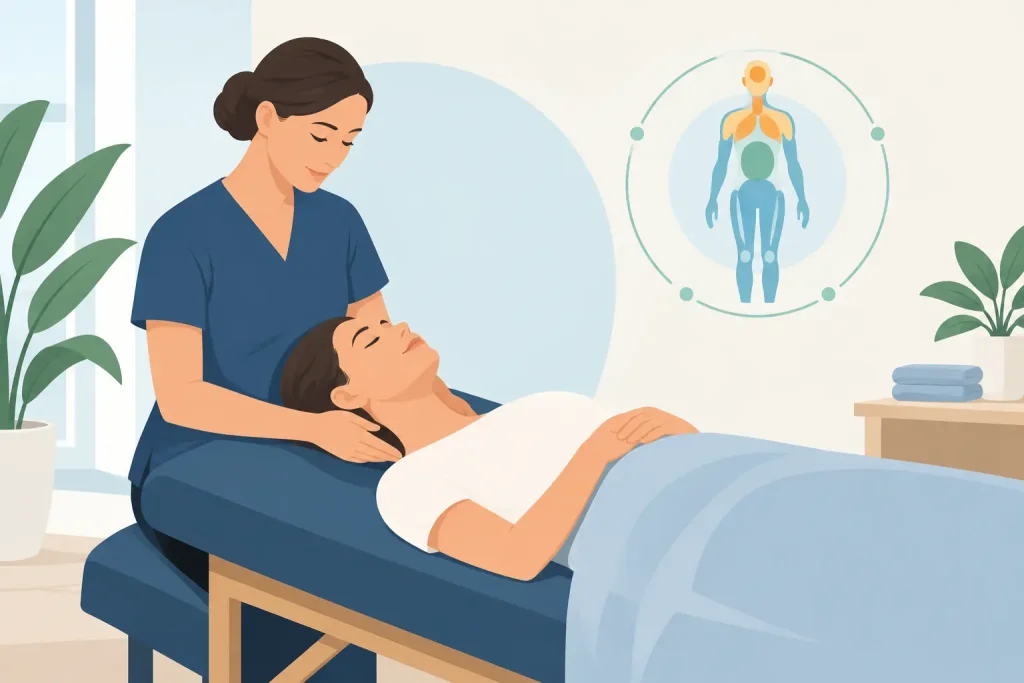
Zone Technique organizes the body into six healing zones: glandular, elimination, nervous, digestive, muscular, and circulatory. Each zone represents a major function of health, and each one plays a role in how you feel day to day.
The glandular zone relates to hormones and the body’s internal regulation. When this zone is stressed, people may feel run down, emotionally off balance, or stuck in cycles of fatigue. The elimination zone supports the body’s ability to clear waste. If that system is under strain, you may feel sluggish or inflamed.
The nervous zone is tied to communication throughout the body. This matters because the nervous system helps coordinate everything from muscle tone to stress response. The digestive zone affects how well the body breaks down and absorbs what it needs. The muscular zone influences movement, structure, tension, and physical comfort. The circulatory zone supports blood flow and the delivery of oxygen and nutrients where they need to go.
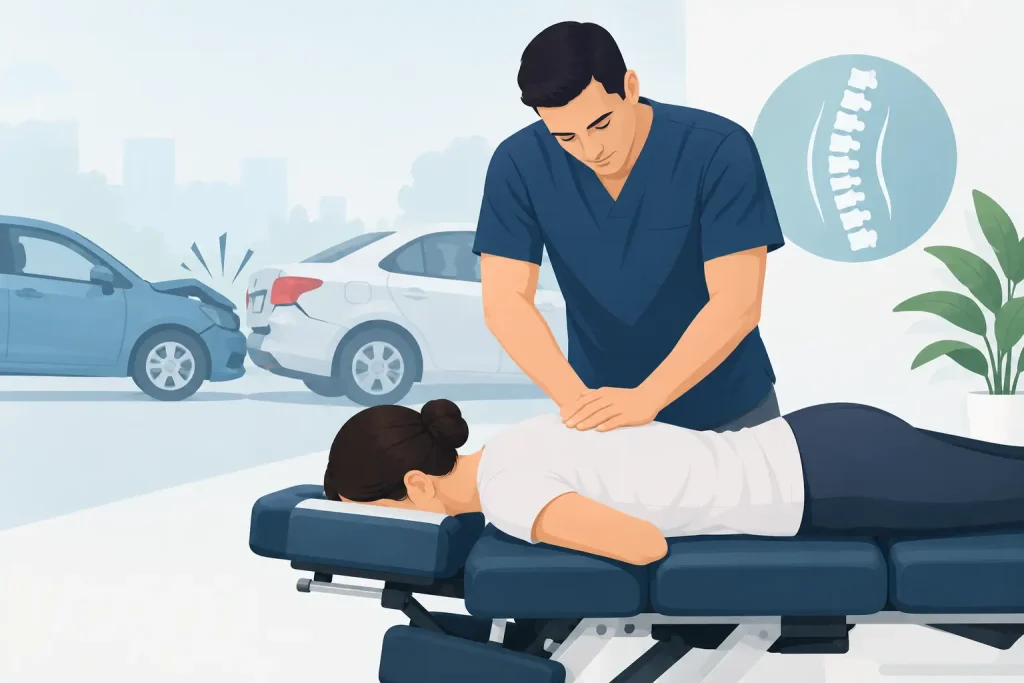
These zones are not separate compartments. They overlap constantly. A person dealing with chronic stress may also notice digestive changes, muscle tension, and sleep issues. Someone recovering from an auto injury may feel pain in the neck or back, but also headaches, nervous system irritation, and low energy. Zone Technique takes that overlap seriously.
How a Zone Technique visit typically works
A Zone Technique visit usually begins with a focused assessment rather than a rushed adjustment. The chiropractor is looking for patterns of imbalance in the six zones and for signs that the body is compensating. This is where the care becomes highly personalized.
Once those patterns are identified, the adjustment is meant to be specific and intentional. Rather than applying a one-size-fits-all routine, the practitioner uses findings from the assessment to decide what support the body needs in that moment. For many patients, the experience is gentle, calming, and surprisingly clear. They often appreciate understanding why a certain adjustment is being made and how it connects to what they have been feeling.
That said, response times vary. Some people notice changes quickly. Others need more consistent care, especially if they have been dealing with stress, old injuries, or longstanding patterns for a long time. Healing is not always linear, and good care should make room for that.
Why people choose Zone Technique over standard chiropractic care
Not everyone is looking for the same kind of chiropractic experience. Some people simply want temporary relief for a sore back. Others want a deeper understanding of why their body keeps struggling in the first place.
Zone Technique often appeals to people in the second group. They want care that feels personalized, not routine. They want to know why headaches keep returning, why their jaw is tense, why stress seems to live in their shoulders, or why energy never fully rebounds. A whole-body approach can feel more aligned with what they are actually experiencing.
This does not mean traditional chiropractic care is wrong. It means the right approach depends on the person, the history behind the symptoms, and the goals for care. If someone is drawn to natural healing, values hands-on treatment, and wants to support the body as a system rather than a collection of isolated problems, Zone Technique may be a strong fit.
Who may benefit from Zone Technique chiropractic?
Many kinds of patients are drawn to this approach. Working adults often seek it out when stress, posture, desk work, headaches, and tension begin to pile up. Active adults may appreciate it when movement feels restricted or recovery is not happening as easily as it should. Parents often look for a gentler, more balanced form of care for their families.
It can also be meaningful for people navigating more specific concerns. That might include TMJ discomfort, recurring neck and back pain, nervous system tension, sleep issues, fatigue, or healing after an auto accident. In those cases, it is often helpful to look beyond the site of pain and ask what other systems may be under strain.
Of course, Zone Technique is not a magic fix for everything. The body may need time. Some concerns require co-management with other healthcare providers. And if a person is expecting one quick visit to solve a long-standing issue, that expectation may need to be reset. The value of this work is often in helping the body move into a better pattern, not forcing a rushed result.
What makes the adjustment gentle but still effective?
Many people hear the word chiropractic and immediately picture forceful twisting or loud cracking. Zone Technique can challenge that assumption. The adjustments are specific, purposeful, and often much gentler than patients expect.
Gentle does not mean weak. It means the care is delivered with precision. When the body receives the right input at the right time, it does not always need a dramatic intervention. In fact, many people respond better to a calm, focused adjustment that respects what their nervous system can integrate.
This can be especially reassuring for people who feel anxious about chiropractic care, for children, or for those recovering from injury who want a more measured approach.
What is Zone Technique chiropractic really about?
At a deeper level, Zone Technique chiropractic is about restoring communication and balance. It recognizes that pain is real, but it also asks a bigger question: what is happening underneath the pain? When the brain and body are no longer working in harmony, symptoms can start to spread, repeat, or resist quick fixes.
That is why this method resonates with so many patients who have felt stuck. They are not just looking for a cracked joint or a temporary release. They are looking for care that sees the whole person. They want to feel better in their body, think more clearly, move with less tension, and trust that healing is possible.
At practices like Alchemy Chiropractic, that philosophy becomes practical. The care is centered on listening closely, identifying imbalance, and helping the body reconnect with its own healing potential in a calm, supportive setting.
If you have been wondering whether there is a chiropractic approach that feels more personalized, more connected, and more in tune with the body as a whole, Zone Technique is worth understanding. Sometimes the most meaningful shift begins when your care stops chasing symptoms and starts helping your body return to balance.