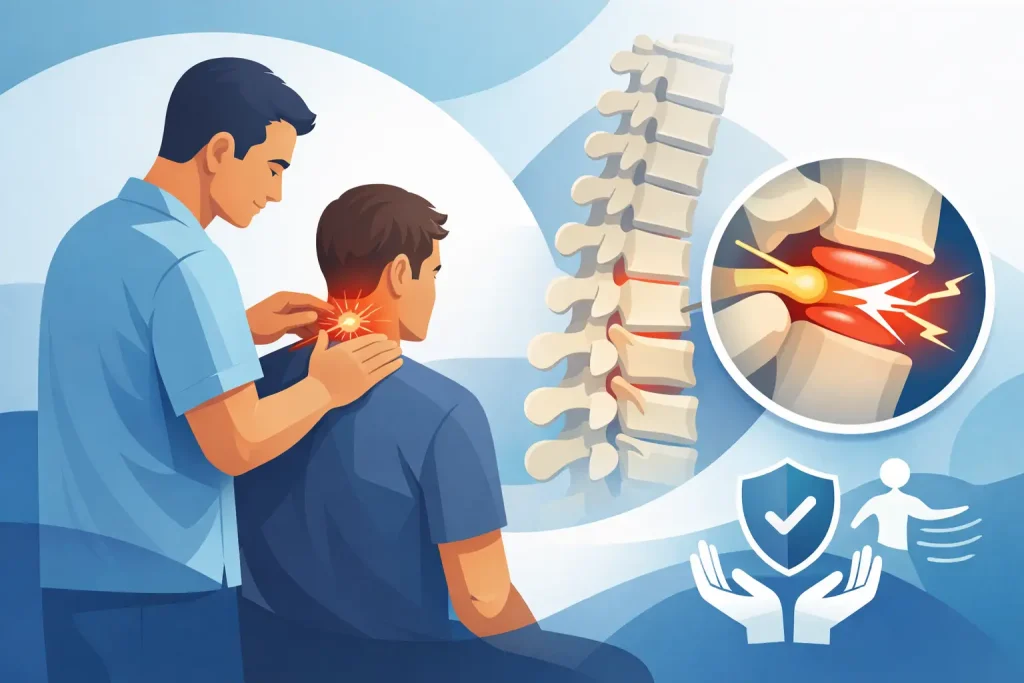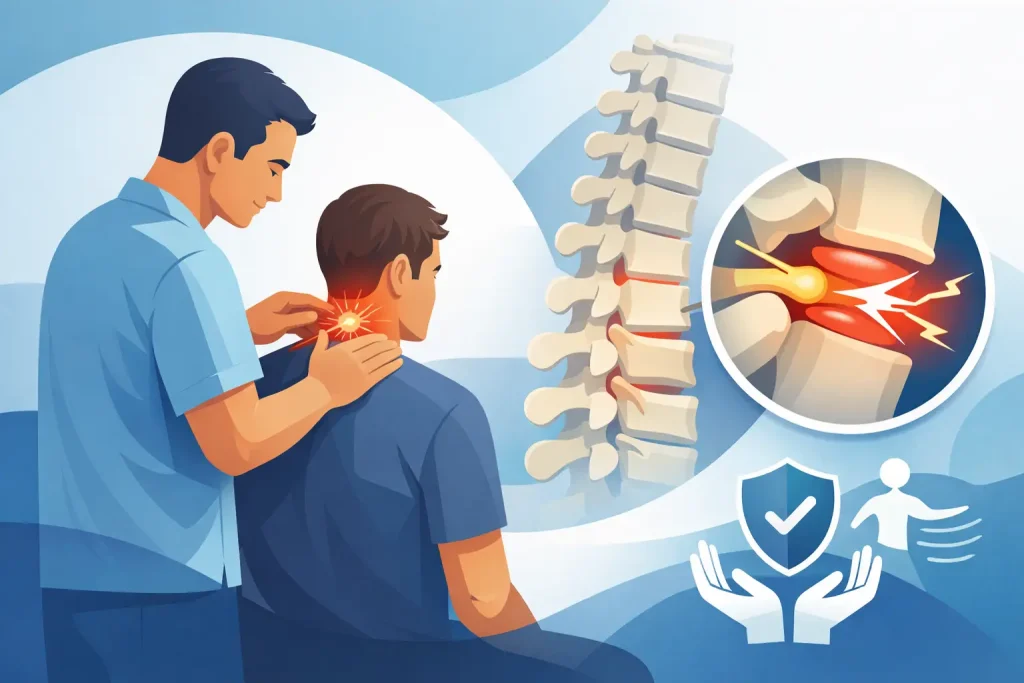


A stiff neck after a long workday, a headache that keeps returning, or the feeling that your energy never quite catches up with your schedule can become so familiar that it feels normal. It does not have to be. The best reasons for chiropractic wellness go beyond finding relief when something hurts. They center on helping your body communicate, move, and heal with greater ease.
Chiropractic wellness care is not a one-size-fits-all experience. At its best, it is a thoughtful partnership that looks at the patterns behind discomfort, stress, limited movement, and fatigue. For adults, active families, and people recovering from an injury in Falmouth and Southern Maine, gentle and specific care can be a meaningful part of creating lasting balance.
Why choose chiropractic wellness care?
Wellness chiropractic care recognizes that pain is often a signal, not the whole story. Your spine, nervous system, muscles, and internal systems are constantly sharing information. When that communication is disrupted by stress, posture, repetitive movement, old injuries, or a recent accident, the effects may show up in more places than one.
At Alchemy Chiropractic, the Zone Technique offers a whole-body framework for understanding those patterns. It considers six healing zones – glandular, elimination, nervous, digestive, muscular, and circulatory – and uses gentle, precise adjustments to support greater harmony between the brain and body. Here are nine reasons people choose this kind of care.
1. Relief that looks beyond the painful spot
A sore low back may be connected to the way you sit, move, sleep, or compensate for an old ankle or hip injury. Jaw tension may travel with neck discomfort. Headaches can have many possible contributors, including muscular tension and stress. Chiropractic care does not replace medical evaluation when symptoms are severe, sudden, or concerning, but it can help assess musculoskeletal patterns that may be contributing to everyday discomfort.
The goal is not simply to chase pain from one appointment to the next. It is to understand what your body may be protecting and support healthier movement over time.
2. More comfortable movement for work and life
Movement is part of nearly everything: lifting a child, turning to back out of the driveway, getting through a strength workout, carrying groceries, or sitting at a desk. When joints and muscles feel restricted, even ordinary tasks can take more effort than they should.
Specific chiropractic adjustments can support joint motion and help reduce the tension that makes movement feel guarded. Some people notice they can rotate their neck more freely, stand taller, or return to activities they had quietly scaled back. Results vary, and recovery can take time, especially when symptoms have been present for years. Still, improved ease of movement is one of the most practical benefits people seek.
3. Support for a calmer nervous system
The nervous system helps coordinate how you sense, respond, rest, and move. When your body is under sustained physical or emotional stress, it can feel as though you are always bracing for the next demand. Tight shoulders, restless sleep, jaw clenching, and shallow breathing can all be part of that experience.
The nervous zone is an important focus in a whole-body approach. Gentle chiropractic care may help some patients feel more settled in their bodies, particularly when it is paired with supportive routines such as regular movement, hydration, nourishing meals, and rest. It is not a cure for anxiety or a substitute for mental health care, but feeling physically less tense can be a meaningful piece of overall well-being.
4. Better recovery from daily stress and activity
You do not need to be a competitive athlete to ask a lot of your body. Gardening, hiking Maine trails, working on your feet, parenting, and weekend projects all create physical demands. When recovery is incomplete, soreness and stiffness can begin to pile up.
Wellness care can help you pay attention earlier, before a small limitation becomes a larger interruption. This is especially valuable for active adults who want to continue doing what they enjoy without waiting for discomfort to become impossible to ignore. The muscular zone considers how strain, overuse, and compensation may affect the way your body functions as a whole.
5. A more personalized path after an auto injury
Even a low-speed collision can leave the body feeling different. Whiplash symptoms, headaches, back pain, shoulder tension, and reduced range of motion may appear immediately or develop over the following days. After an accident, the right first step depends on your symptoms and medical needs. Urgent or serious symptoms require prompt medical attention.
Once you have been appropriately evaluated, chiropractic care may be part of a personalized recovery plan for musculoskeletal injuries. Gentle care can be particularly appealing when your body feels tender and guarded. Rather than forcing movement, the focus is on listening carefully to what has changed and progressing at a pace that supports healing.
6. Help for posture shaped by modern routines
Hours at a laptop, long commutes, phone scrolling, and repetitive work positions can gradually shape the way you hold yourself. Posture is not about maintaining one rigid, perfect position all day. It is about having enough mobility, strength, and body awareness to change positions comfortably.
Chiropractic wellness visits can help identify areas that feel compressed or overworked. Adjustments may be paired with practical guidance on movement breaks, workspace setup, and the small habits that help your body feel less stuck. The benefit is not a picture-perfect posture. It is greater comfort and resilience throughout the day.
7. A whole-body perspective on energy and function
Low energy has many possible causes, from sleep and stress to nutrition, illness, medications, and more. Chiropractic care is not a replacement for medical testing or treatment when fatigue is persistent or unexplained. Yet many people find that when pain decreases, movement improves, and their body feels less tense, daily life requires less effort.
This is where a zone-based approach can feel different from care focused only on one area of the spine. The glandular, digestive, elimination, and circulatory zones reflect the understanding that wellness is interconnected. Care is designed to support balance, while also encouraging patients to seek appropriate medical guidance for symptoms that need further evaluation.
8. Gentle care for every stage of family life
Families often want care that feels both effective and respectful. A working parent may be managing stress and recurring back tension, while a child may need an evaluation tailored to their age, development, and specific concerns. Pediatric chiropractic care should always be gentle, individualized, and guided by a thorough history and examination.
The value of a family-centered practice is not that everyone receives the same adjustment. It is that each person is met where they are. Care plans can change as needs change, whether the focus is growing bodies, active lifestyles, recovery, or maintaining comfortable function.
9. A proactive way to care for your body
Many people wait until they are in significant pain before seeking help. There is no shame in that. But wellness care creates room for a different relationship with your health: one where you notice patterns sooner and make choices that support your body before discomfort takes over.
This does not mean you need endless appointments or that chiropractic is the answer to every health concern. The right frequency depends on your goals, your response to care, your history, and what is happening in your life. A trustworthy chiropractor will explain their recommendations clearly and encourage you to remain an active participant in your care.
Making wellness care work for you
The most meaningful chiropractic plan is one that fits your real life. Be open about what you are feeling, what you want to return to, and what has or has not helped in the past. Mention prior injuries, medications, new symptoms, and any changes that concern you. Good care begins with a clear picture.
You can also support your progress between visits. Take short walks, change positions regularly, make space for sleep, and choose movement that feels appropriate for your body. Small, consistent actions often matter more than an occasional burst of effort.
Your body is not asking for perfection. It is asking to be heard. When discomfort, stress, or restricted movement has become part of your normal, compassionate chiropractic wellness care can offer a gentle place to begin restoring balance – one thoughtful adjustment and one healthier choice at a time.