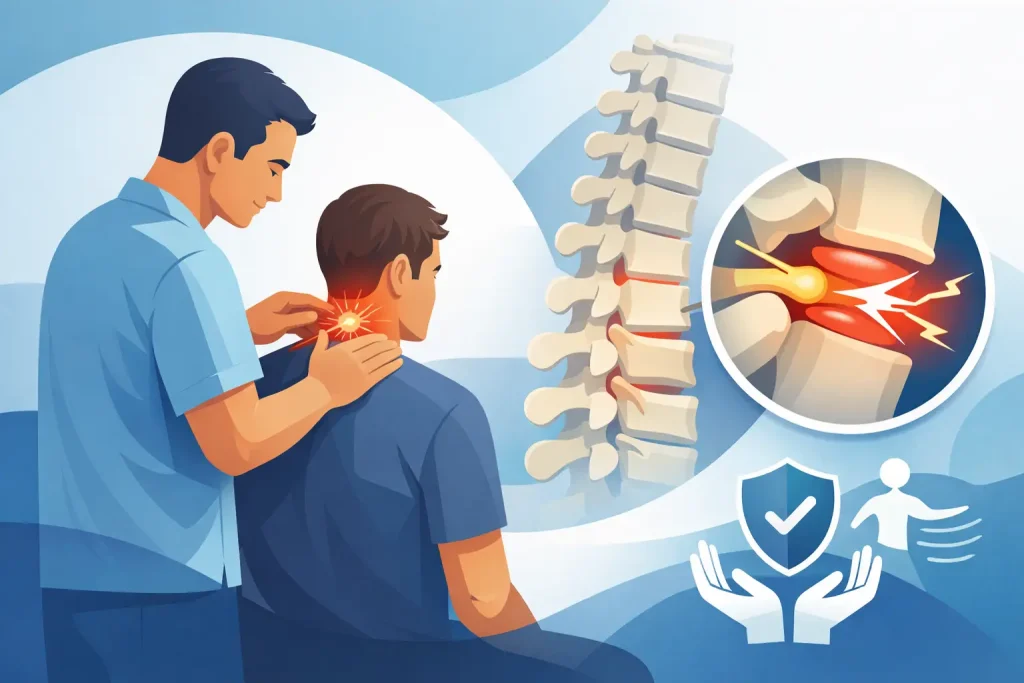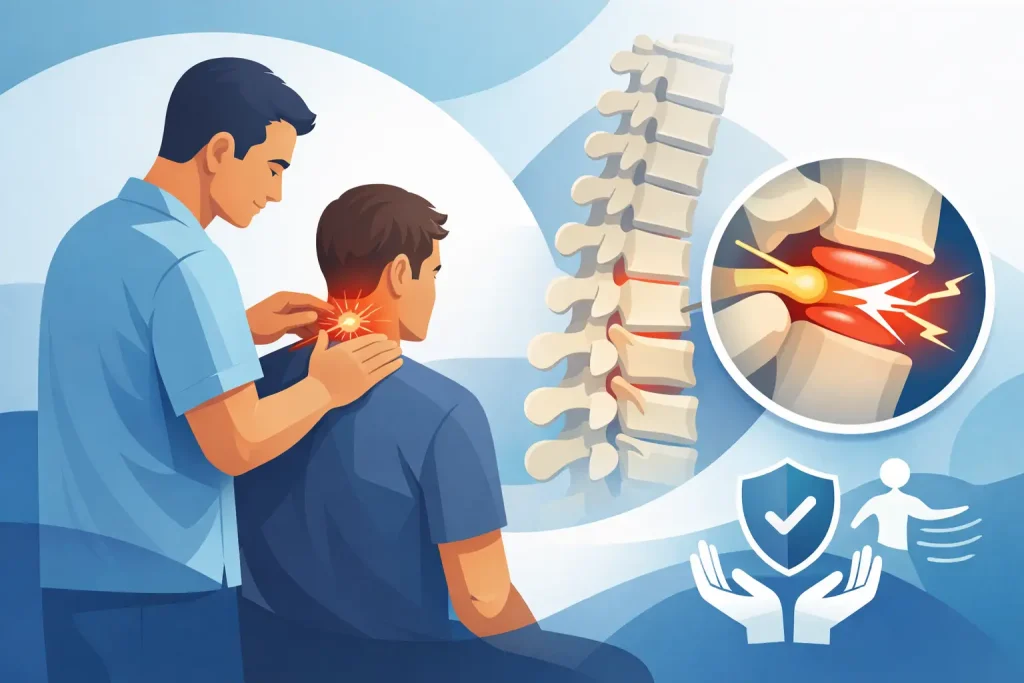


That sharp pain traveling from your low back into your leg, or the tingling that runs from your neck into your hand, can make ordinary movement feel uncertain. Can chiropractors treat pinched nerves? In many cases, chiropractic care may help reduce the mechanical stress and irritation contributing to nerve symptoms, while supporting more comfortable movement and whole-body balance. The right answer always begins with understanding what is creating the pressure and whether chiropractic care is appropriate for you.
A pinched nerve is not always a single, simple problem. It can involve a nerve root near the spine, a nerve compressed farther along its path, inflamed surrounding tissues, a disc issue, tight muscles, joint restriction, or an injury. That is why personalized care matters more than a one-size-fits-all adjustment.
What a Pinched Nerve Can Feel Like
Nerves carry messages between the brain, spinal cord, and body. When a nerve becomes compressed, irritated, or inflamed, those messages can be disrupted. The result may be pain, but it can also show up as numbness, tingling, burning, weakness, or a feeling that a limb has fallen asleep.
Symptoms often follow the path of the affected nerve. A nerve issue in the neck may contribute to discomfort in the shoulder, arm, hand, or fingers. In the low back, irritation may travel through the hip, buttock, leg, or foot. Some people notice symptoms only with certain positions, while others feel them during sleep, at a desk, or while getting in and out of the car.
The label “pinched nerve” is useful shorthand, but it does not identify the cause. A careful evaluation looks beyond the painful area to consider posture, movement patterns, recent injuries, daily demands, and how the body is compensating.
Can Chiropractors Treat Pinched Nerves?
Chiropractors do not “unpinch” a nerve with a single move. Instead, chiropractic care may help address restrictions, tension, and movement patterns that can place added stress on the spine and surrounding tissues. Gentle, specific adjustments can support healthier joint motion and may reduce irritation for people whose symptoms are connected to musculoskeletal dysfunction.
For example, when spinal joints are not moving well, nearby muscles may tighten to protect the area. That tension can change how the body bears weight and moves, sometimes adding pressure around sensitive nerve pathways. Restoring more balanced motion can help the body move with less strain.
Results depend on the underlying cause. Chiropractic care may be a helpful option for some forms of neck pain with arm symptoms, low back pain with leg symptoms, or discomfort following an auto injury. It may be less appropriate when symptoms are caused by a condition that requires urgent medical treatment, surgery, medication, or specialized testing. Thoughtful care means knowing the difference.
At Alchemy Chiropractic, the focus is not simply on chasing the loudest symptom. Care is centered on gentle, specific chiropractic adjustments and the relationship between the brain, nervous system, and the body’s ability to heal. Through the Zone Technique, we consider six interconnected areas of function: glandular, elimination, nervous, digestive, muscular, and circulatory. This whole-body perspective can be especially valuable when pain has begun to affect sleep, energy, mobility, and everyday confidence.
What Chiropractic Care May Include
Your first visit should begin with a conversation, not an assumption. A chiropractor will ask when symptoms began, what makes them better or worse, whether there was an accident or fall, and how the discomfort affects work, exercise, sleep, and daily life. They may assess posture, movement, reflexes, strength, sensation, and areas of tenderness or restriction.
If chiropractic care is a good fit, your plan may include gentle adjustments designed to improve alignment and movement in the spine or other joints. Depending on your needs, care may also include guidance on posture, everyday movement, activity modification, and simple ways to reduce unnecessary strain between visits.
The goal is not to force the body. It is to create conditions that support balance and healing. Some people feel meaningful relief quickly, especially when symptoms are tied to recent tension or restricted movement. Others need a more gradual approach, particularly when pain has been present for a long time or follows a significant injury.
A good plan is responsive. As your symptoms, mobility, and function change, your care should change with them.
Gentle Care Does Not Mean Passive Care
Many people worry that chiropractic adjustments will be aggressive or uncomfortable, especially when a nerve is already sensitive. Techniques can be adapted to your comfort level, health history, age, and condition. Gentle, precise care may be particularly appropriate for people who feel guarded, sore after an accident, or anxious about sudden movements.
Your participation matters, too. Healing often asks for small, sustainable shifts: changing how you sit during long workdays, taking movement breaks, easing back into activity, or avoiding a position that repeatedly sends pain down an arm or leg. These are not substitutes for care. They are practical ways to give your body more room to recover.
When a Pinched Nerve Needs Medical Attention First
Not every nerve symptom belongs in a chiropractic office first. Sudden or progressive weakness, loss of coordination, severe unrelenting pain, numbness in the groin or inner thighs, or new loss of bladder or bowel control needs prompt medical evaluation. These symptoms can signal a more serious problem.
You should also seek medical care promptly after a major trauma, such as a serious car crash or fall, or if pain is accompanied by fever, unexplained weight loss, a history of cancer, or symptoms that are rapidly worsening. If you have diabetes, osteoporosis, inflammatory disease, are taking blood thinners, or have had spinal surgery, share that history before beginning care so your plan can be tailored safely.
A compassionate chiropractor does not treat through red flags. They recognize when imaging, a primary care evaluation, a neurologic assessment, or another specialist is needed. Collaboration is part of patient-centered healing.
Supporting Your Body Between Visits
When nerve symptoms are active, rest can be useful in short periods, but complete inactivity often leads to more stiffness and guarding. Choose gentle movement that does not sharply increase symptoms. A brief walk, a position change, or light mobility can be more supportive than staying in one posture for hours.
Pay attention to patterns rather than pushing through pain. If looking down at a phone triggers arm tingling, raise the screen closer to eye level. If a long drive aggravates your low back, take breaks when possible and adjust your seat so you are not reaching or twisting. If an exercise sends pain farther down a limb, pause it and ask for guidance.
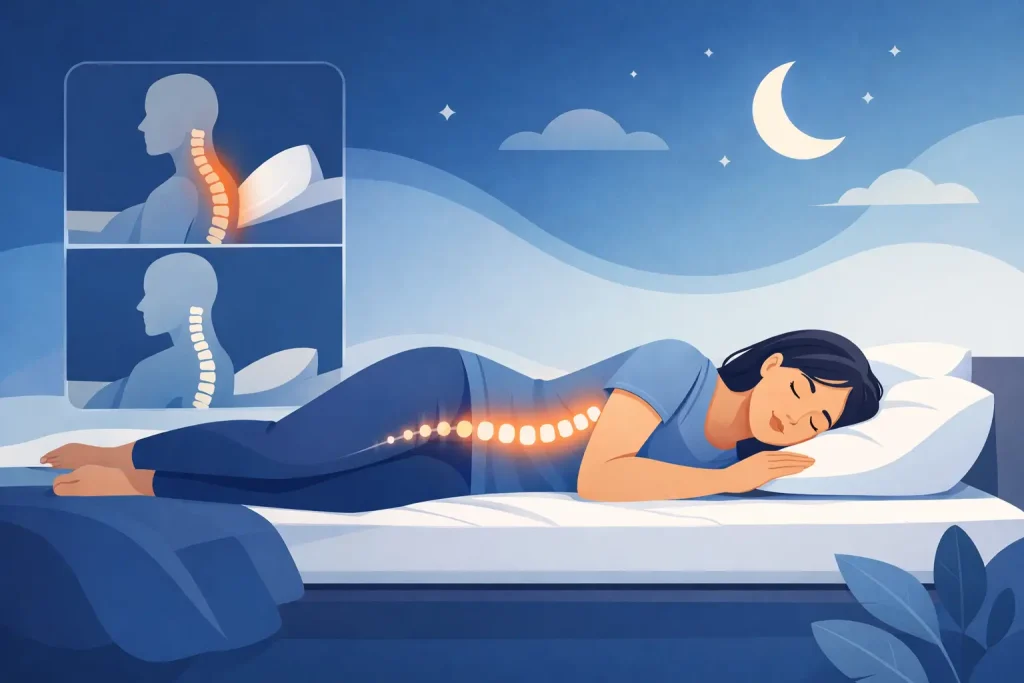
Sleep also deserves attention. A pillow that leaves your neck twisted or a mattress position that strains your hips can keep an irritated area from settling. Small changes may not solve the root issue alone, but they can reduce the daily load your body is carrying.
A More Grounded Way Forward
Living with nerve pain can make you feel disconnected from your own body. You may begin avoiding workouts, lifting groceries carefully, or wondering whether every twinge means something is getting worse. The path forward is not always instant, but it can begin with clear answers, a careful assessment, and care that respects your body’s signals.
If your symptoms are appropriate for chiropractic care, a gentle, individualized approach may help restore movement, ease tension, and support the nervous system as your body finds its way back toward greater comfort and harmony. You deserve a plan that looks beyond the pain itself and helps you feel more at home in your body again.