

Your jaw may be working long after the rest of your body has tried to rest. You might notice it when you wake with a dull headache, struggle to open your mouth comfortably, or catch yourself clenching during a stressful email. Natural relief for jaw tension begins with recognizing that tightness is rarely only a jaw problem. It is often your body’s way of asking for more balance, support, and recovery.
The jaw is small, but it carries a remarkable amount of responsibility. It helps you speak, chew, breathe, and express emotion. When the muscles around it stay switched on, tension can spread into the temples, neck, shoulders, and upper back. The goal is not to force the jaw to relax. It is to create the conditions that help your nervous system and muscles feel safe enough to let go.
Why jaw tension can feel like a whole-body problem
Jaw tension is commonly connected to clenching or grinding, particularly during sleep. Stress can play a role, but so can posture, prolonged screen time, an uneven bite, chewing gum, past injuries, and tightness through the neck and shoulders. Sometimes people do not realize they are clenching until pain, clicking, fatigue, or headaches become difficult to ignore.
Your head, jaw, neck, and upper spine work as a connected system. When your head moves forward toward a phone or laptop, the muscles at the base of the skull and along the neck may work harder. The jaw can respond by tightening. Likewise, a stressful season may keep the nervous system on alert, making it harder for muscles throughout the body to fully rest.
This is why chasing the sore spot alone may provide only temporary comfort. Gentle local care can help, but lasting change often comes from looking at the patterns surrounding the tension.
Natural relief for jaw tension starts with awareness
A relaxed jaw has a simple resting position: lips together gently, teeth slightly apart, and tongue resting softly on the roof of the mouth. Many people spend the day with their teeth touching without realizing it. Teeth are designed to meet while chewing, not to stay pressed together during work, driving, or scrolling.
Try a brief check-in a few times each day. Let your shoulders drop, place the tip of your tongue just behind your upper front teeth, and allow a small space between your upper and lower teeth. Breathe slowly through your nose if that is comfortable. This is not a dramatic exercise, but repeated reminders can interrupt the clenching habit before it builds into pain.
It also helps to notice the moments when your jaw tightens. Is it during meetings? While lifting at the gym? On your commute? When you are concentrating? Awareness does not solve every cause, but it gives you a clear starting point for change.
Use gentle heat and soft movement
A warm compress placed over the cheek and jaw muscles for 10 to 15 minutes can calm sore, overworked tissue. Follow it with slow, comfortable movement rather than aggressive stretching. Open and close your mouth only within a pain-free range, keeping the motion smooth and controlled.
You can also massage the large cheek muscles just in front of the ears and along the sides of the face using clean fingertips. Use light pressure first. If a spot feels especially tender, pressing harder is not necessarily better. The jaw often responds best to patience and gentleness.
If heat makes swelling, throbbing, or pain worse, stop and consider whether a dental or medical evaluation is needed. The right approach depends on what is driving the discomfort.
Give your jaw a break from extra work
For a few days during a flare-up, choose foods that do not require forceful chewing. Avoid habits that ask the jaw to work overtime, such as chewing gum, biting nails, holding objects between your teeth, or taking very large bites. This does not mean avoiding nourishing foods. It means choosing options that let irritated muscles recover.
Pay attention to sleep, too. Sleeping on your stomach or with your neck twisted may add strain for some people. A supportive pillow and a more neutral neck position can make a meaningful difference, especially if you wake with jaw soreness or headaches.
Support the neck, posture, and nervous system
Because jaw tension often travels with neck and shoulder tightness, make room for small posture resets throughout the day. Bring your screen closer to eye level when possible. Rather than holding your phone down near your lap, raise it toward your line of sight. Take a minute to stand, gently roll your shoulders, and look across the room every hour or so.
Slow breathing can also help reduce the physical grip of stress. Try breathing in gently through your nose, then making your exhale slightly longer than your inhale. Relax your shoulders and let the space between your teeth remain open. A few calm breaths will not erase a difficult day, but they can signal to your body that it does not need to brace quite so hard.
Movement matters as well. Walking, mobility work, restorative yoga, and other activities that help you feel grounded can support circulation and release accumulated tension. The best choice is the one you can do consistently without pushing through pain.
When a whole-body chiropractic approach may help
If jaw tension keeps returning, it can be valuable to look beyond the jaw itself. Restricted movement or imbalance through the neck, upper back, shoulders, and nervous system may contribute to the way your body holds stress and compensates for discomfort.
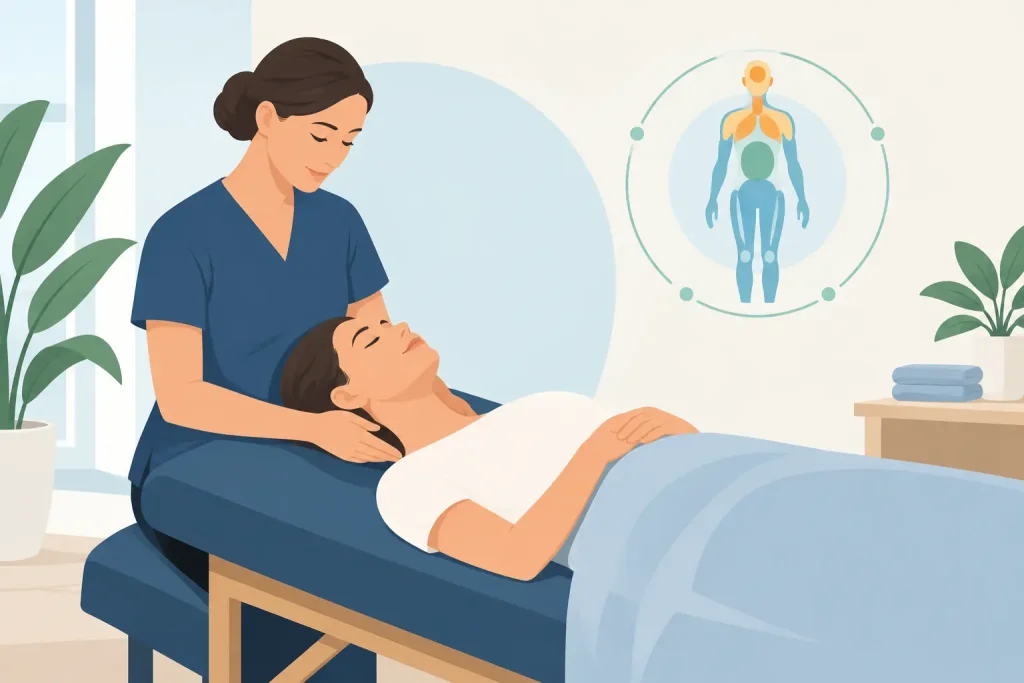
At Alchemy Chiropractic, care is centered on the Zone Technique, a gentle and specific approach designed to support balance across the body’s six healing zones: glandular, elimination, nervous, digestive, muscular, and circulatory. For someone with persistent jaw tension, personalized care may include assessing how the body is adapting as a whole, rather than treating the jaw as an isolated structure.
Chiropractic care is not a substitute for dental treatment when a tooth, bite issue, infection, or significant joint problem is involved. It can, however, be a supportive part of a broader plan for people whose jaw discomfort is connected with neck tension, headaches, postural strain, or the effects of stress on the body. Your care should always be tailored to your symptoms, history, and goals.
Know when jaw tension needs prompt attention
Most muscle-related jaw tightness improves with gentle care and better daily habits. Still, some symptoms deserve timely evaluation from a dentist, physician, or other qualified provider. Seek care if you have severe or worsening pain, facial swelling, fever, a toothache, numbness, a jaw that locks open or closed, trouble swallowing, or difficulty breathing.
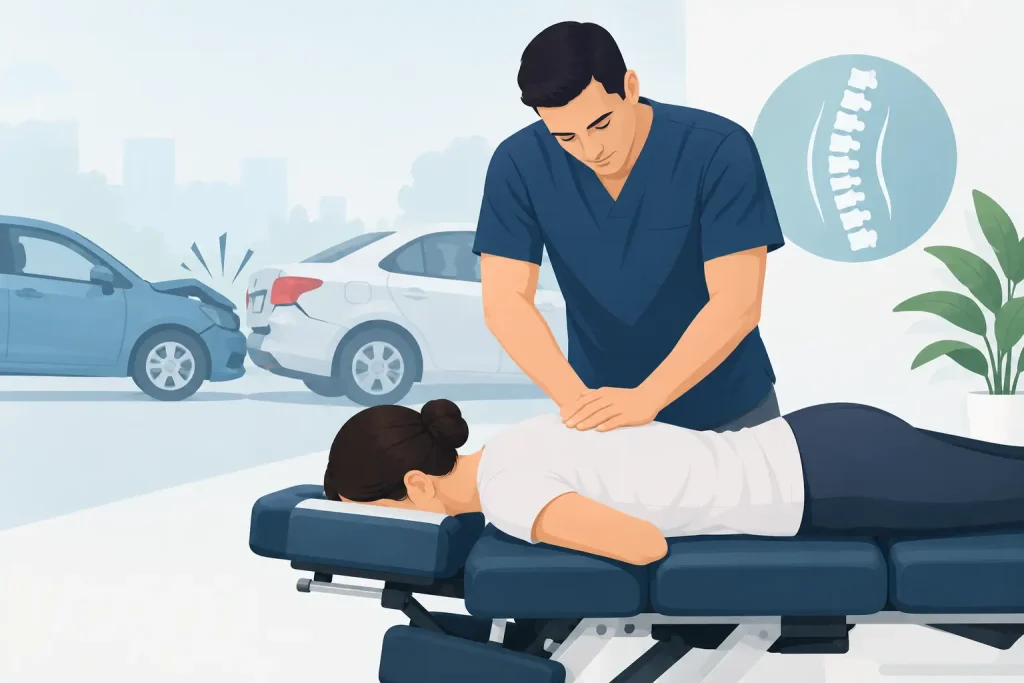
New jaw pain after an auto accident, fall, or blow to the face should also be assessed. Even when discomfort seems manageable at first, injuries can affect the jaw, neck, and surrounding tissues in ways that are not immediately obvious. Chest pressure, shortness of breath, nausea, sweating, or jaw pain that occurs with exertion require emergency medical attention.
Build a calmer pattern, one moment at a time
The most effective natural approach is usually not one perfect technique. It is a collection of small signals that tell your body it can stop guarding: softer foods during a flare, a warmer compress, fewer hours with your head bent forward, a relaxed resting jaw, and care that considers the full picture.
Your jaw does not have to carry every deadline, worry, and physical stressor alone. With consistent attention and the right support, it can become easier to speak, eat, sleep, and move through your day with more comfort and a greater sense of harmony.