

A sharp catch when you stand up from your desk. A dull ache that builds during the drive home. The stiffness that makes it hard to roll over in bed. Back pain relief is rarely just about quieting one sore spot. Your back is part of a connected system, and lasting comfort often begins when we understand what is placing stress on that system in the first place.
For many people, back discomfort is not caused by one dramatic event. It can grow from long hours sitting, repetitive lifting, old injuries, poor sleep, emotional stress, reduced movement, or subtle compensation patterns elsewhere in the body. The goal is not simply to chase pain. It is to help your body return to better balance, movement, and harmony.
Why Back Pain Relief Is Not One-Size-Fits-All
The same symptom can have very different roots. One person may feel low back pain after a weekend of yard work because tight hips and tired muscles have changed how they move. Another may wake with stiffness after months of poor sleep, tension, and limited activity. A third may be dealing with lingering discomfort after a car accident, even if the accident seemed minor at the time.
That is why generic advice can be frustrating. Rest may help one person briefly, while too much rest can leave another feeling stiffer and weaker. Stretching may feel wonderful for one type of muscular tension but aggravate another issue when done too aggressively. Back pain has patterns, and those patterns deserve individual attention.
A thoughtful evaluation looks beyond the area that hurts. It considers how you move, where your body is holding tension, how your daily routines may be affecting your spine, and whether other systems may be contributing to the way you feel. This whole-body perspective creates room for more meaningful healing rather than a temporary cycle of relief followed by flare-ups.
Start With Gentle, Supportive Daily Habits
When your back is irritated, the instinct to stop moving completely is understandable. Yet for many common forms of back discomfort, gentle movement can be more supportive than staying still for long periods. Short walks, changing positions regularly, and easy mobility work can help your muscles and joints avoid becoming more guarded.
Pay attention to the difference between discomfort and warning pain. Mild stiffness that eases as you walk may respond well to gradual movement. Sharp, worsening, radiating, or unstable pain is a different signal and should not be pushed through. Your body does not need punishment to heal. It needs the right kind of support.
Your work setup also matters more than most people realize. You do not need a perfect posture all day long. In fact, no posture is ideal when held for hours. Instead, aim to change positions often. Place your screen where you are not constantly bending your neck, keep frequently used items within easy reach, and stand or walk for a few minutes throughout the day.
Sleep can either restore your back or leave it feeling depleted. If you wake up sore, consider whether your mattress, pillow, or usual sleep position is allowing your spine to rest comfortably. A pillow between the knees for side sleepers or beneath the knees for many back sleepers can reduce strain. Small adjustments can make a noticeable difference over time.
Look Beyond the Spine Alone
The spine does important work, but it does not work alone. Your muscles, nervous system, circulation, digestion, stress response, and daily energy all influence how your body feels and functions. When one area is under strain, another area may compensate. That compensation can show up as tight shoulders, headaches, hip discomfort, fatigue, or recurring back tension.
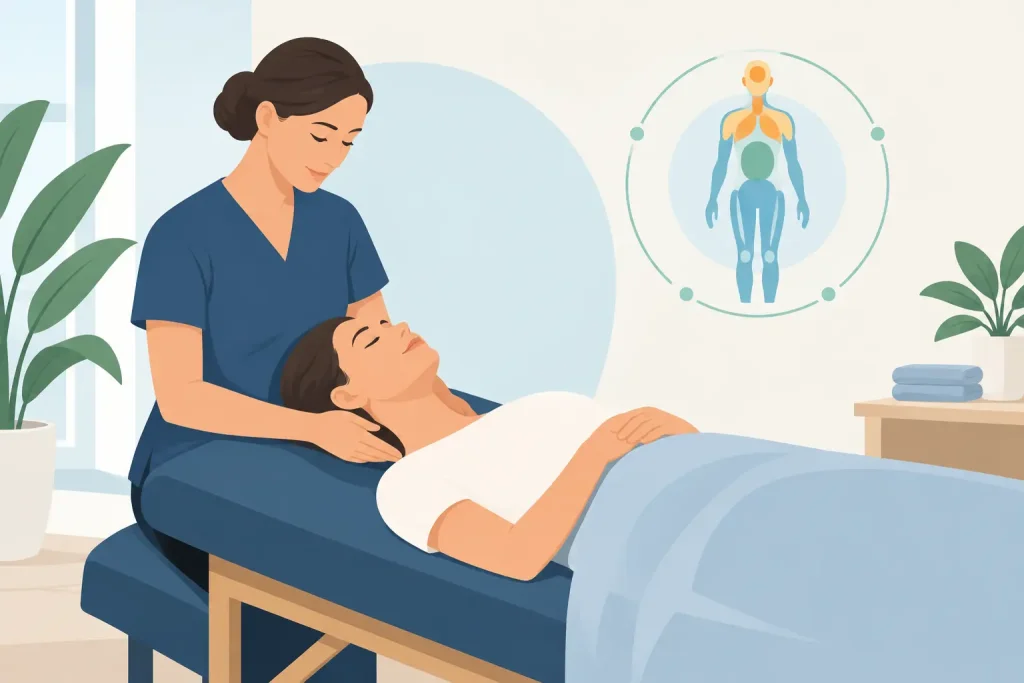
At Alchemy Chiropractic, care is centered on the Zone Technique, a gentle approach that considers balance across six healing zones: glandular, elimination, nervous, digestive, muscular, and circulatory. Rather than viewing the body as disconnected parts, this approach recognizes that healing is often supported when the brain and body can communicate more clearly.
For someone seeking relief from back discomfort, this may mean looking at more than the location of pain. Are the surrounding muscles working overtime? Is the nervous system stuck in a heightened stress response? Has an old injury changed the way the body moves? Personalized chiropractic care can help identify areas of imbalance and support the body through gentle, specific adjustments.
Chiropractic care is not a replacement for emergency care, surgery when it is needed, or medical evaluation for serious concerns. It is one form of hands-on support that may help reduce musculoskeletal discomfort, improve mobility, and help people feel more connected to their bodies. The best care plan depends on your history, symptoms, goals, and response to care.
When Back Pain Needs Prompt Medical Attention
Most back pain is not an emergency, but certain symptoms deserve immediate medical attention. Do not wait for a routine appointment if back pain comes with new loss of bladder or bowel control, numbness in the groin area, significant leg weakness, unexplained fever, or pain following a serious fall or crash.
Seek prompt evaluation if pain is severe and getting worse, if it is paired with unexplained weight loss, or if you have a history that raises concern for infection, cancer, osteoporosis, or fracture. Persistent pain that does not improve, especially pain that disrupts sleep or spreads down the leg, also deserves a careful assessment.
After an auto accident, symptoms can be delayed. Adrenaline and the stress of the event may mask discomfort at first, only for stiffness, headaches, or back pain to appear days later. Early evaluation can help document your condition and guide appropriate next steps. There is no prize for waiting until discomfort becomes overwhelming.
A More Sustainable Path to Feeling Better
Back pain relief often comes from consistency, not a single perfect intervention. A personalized plan may include chiropractic adjustments, manageable movement, better recovery habits, and practical changes to the activities that keep triggering discomfort. Some people improve quickly. Others need time, particularly when their pain has been present for months or years. Both experiences are valid.
It can also help to notice your patterns without judgment. When does your back feel most restricted? What activities leave you feeling better? How are you sleeping? Does stress make your symptoms more intense? These observations give your care provider useful information and help you participate actively in your healing.
There are trade-offs to consider. Pushing too hard in exercise can prolong an irritated area, while avoiding movement indefinitely can create more stiffness and fear around normal activity. Relying only on short-term symptom relief may feel helpful in the moment, but it may not address the habits or imbalances that keep bringing pain back. A balanced approach makes space for relief now and resilience over time.
Your body is not failing you because it is asking for attention. Pain can be a message that something needs support, rest, movement, or a different kind of care. With patient, personalized guidance, many people find they can move with more confidence, sleep more comfortably, and return to the parts of life that pain had made smaller. Start by listening to what your body has been trying to tell you, then give it the steady support it needs to heal.