

A headache that fades after a long day, low back pain that settles with rest, or a stiff neck that improves after a massage can feel like a problem solved. But when the same discomfort keeps returning, the question shifts from “How do I get through today?” to “What is my body asking for?” That is where wellness care vs symptom relief becomes a meaningful distinction.
Symptom relief has a valuable place. When pain is disrupting sleep, work, movement, or time with family, feeling better matters. Wellness-focused care asks a broader question at the same time: what patterns in the body may be contributing to this discomfort, and how can we support greater balance over time?
What Symptom Relief Is Designed to Do
Symptom relief is focused on reducing an immediate problem. You may use heat for a tight shoulder, rest an irritated joint, take an over-the-counter medication for a headache, or seek care when pain suddenly limits your movement. These responses can be appropriate, practical, and sometimes necessary.
The limitation is not that symptom relief is wrong. The limitation is that relief alone may not address why the pattern developed or why it keeps returning. A person with recurring neck tension, for example, may get temporary comfort from stretching, but still notice the same tightness after computer work, poor sleep, stress, an old injury, or repetitive movement.
Symptoms are messages. They deserve attention, especially when they are new, severe, persistent, or worsening. Yet quieting the message is not always the same as supporting the body’s ability to function with greater ease.
Wellness Care Looks Beyond the Pain Point
Wellness care takes a longer view. Rather than focusing only on the place that hurts, it considers how the whole body is adapting. Your nervous system, movement patterns, physical stress, daily habits, and history of injuries can all influence how you feel.
This does not mean every symptom has one simple cause, or that wellness care replaces medical evaluation. It means your care can be thoughtful enough to look beyond a single painful area. For many people, that perspective is especially helpful when discomfort is recurring, energy feels depleted, sleep is poor, or the body simply does not feel like itself.
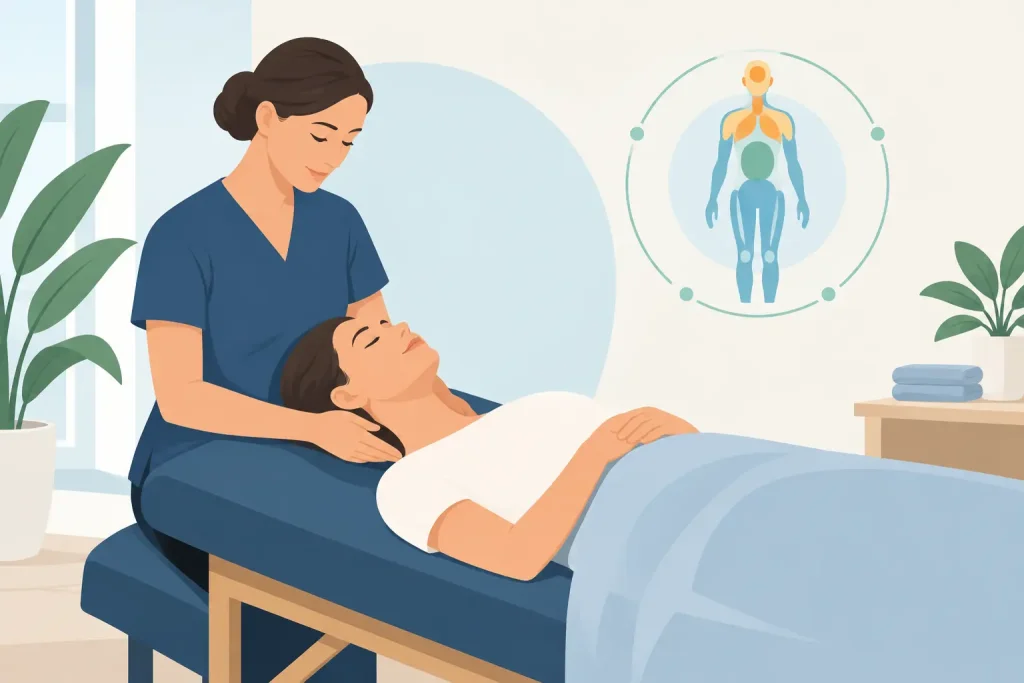
At Alchemy Chiropractic, this whole-body perspective is expressed through the Zone Technique. Gentle, specific chiropractic adjustments are used to support communication between the brain and body through six healing zones: glandular, elimination, nervous, digestive, muscular, and circulatory. The goal is not to chase a symptom from visit to visit. It is to help the body move toward greater balance and harmony.
Wellness Care vs Symptom Relief: The Real Difference
The difference is not always about choosing one approach and rejecting the other. Often, the most supportive care begins by helping someone feel more comfortable, then continues by addressing the patterns that may be keeping them stuck.
Symptom relief is often reactive. Something hurts, so you respond to the pain. Wellness care is more proactive and restorative. It helps you notice how your body is functioning before discomfort becomes the only thing demanding your attention.
Think of it this way: if your car’s dashboard warning light comes on, turning off the light without checking the system would not provide much peace of mind. The warning light is not the enemy. It is information. Your body deserves the same curiosity and care.
That said, bodies are not machines, and healing is rarely linear. Some people feel changes quickly, while others need time and consistency, particularly after years of stress, repetitive strain, or injury. Personalized care allows the pace and plan to reflect the person in front of the practitioner rather than a one-size-fits-all schedule.
When Short-Term Relief Makes Sense
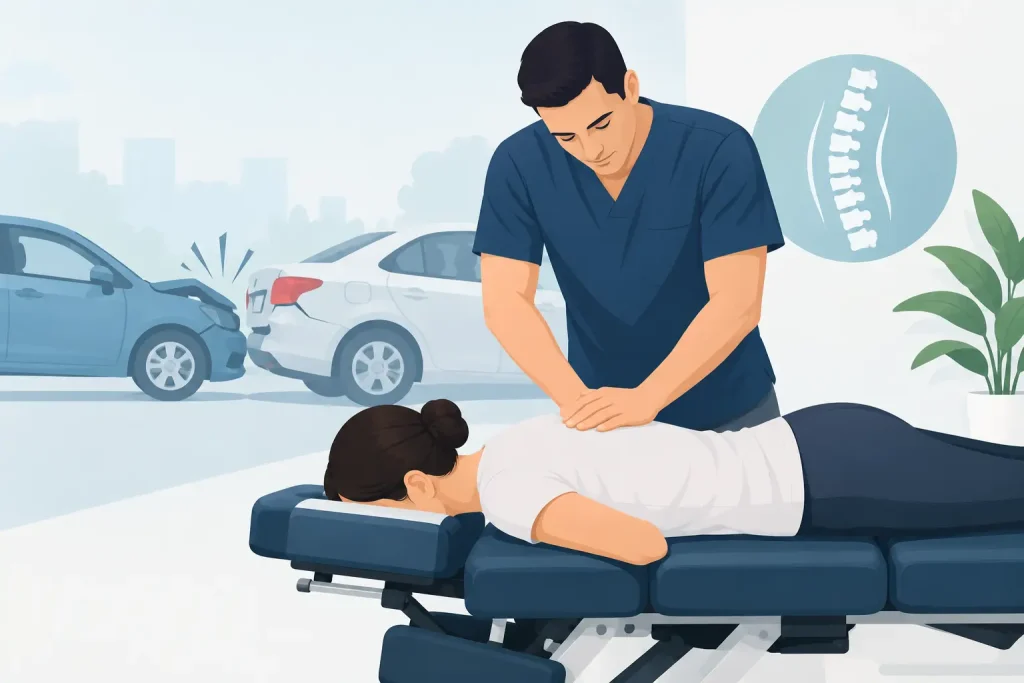
There are times when immediate symptom relief should be the priority. An acute flare-up, an automotive injury, a painful muscle spasm, or a sudden loss of mobility can make everyday tasks feel overwhelming. Getting comfortable enough to sleep, drive, work, or care for your family is not a small thing.
In these moments, gentle chiropractic care may help support mobility and reduce musculoskeletal discomfort when it is appropriate for your condition. A personalized assessment matters because pain after a car accident, for example, can involve more than the area that first feels sore. The body may be bracing, compensating, or responding to forces that take time to fully reveal themselves.
Some symptoms also require prompt medical attention. Chest pain, difficulty breathing, sudden weakness or numbness, a severe or unusual headache, loss of bladder or bowel control, fever with significant pain, or symptoms after a serious accident should be evaluated urgently. Whole-body care works best alongside appropriate medical care, not instead of it.
Who May Benefit From a Wellness Approach?
Wellness care can be a natural fit for people who are tired of cycling through the same complaints. You may be a working professional whose shoulders rise toward your ears by midafternoon, an active adult who cannot seem to recover as easily as before, or a parent who wants gentle, individualized care for your child.
It can also be helpful for people who are not in severe pain but know something is off. Perhaps you feel stiff when you wake up, your energy is inconsistent, you are moving less because your body feels restricted, or stress seems to show up physically in your jaw, shoulders, digestion, or sleep.
Children can have their own unique physical stresses, from developmental changes and falls to posture, sports, and the everyday demands of growing. Pediatric chiropractic care should always be gentle and adapted to the child, with communication that helps parents understand what is being assessed and why.
What Personalized Chiropractic Wellness Care Can Feel Like
A wellness visit should not feel rushed or generic. It begins with listening. Your history, current concerns, lifestyle, goals, and prior injuries all provide useful context. A person seeking support after an auto accident needs a different conversation than someone who wants to improve comfort during long workdays or maintain mobility for hiking and family activities.
From there, care can focus on specific findings and the ways your body may be compensating. With the Zone Technique, the aim is to identify which of the six zones may need support and provide a gentle, precise adjustment intended to help restore balance.
Many people seek chiropractic care because they want less pain, but the changes they value often extend beyond pain. They may notice easier movement, more restful sleep, improved comfort during exercise, clearer energy, or a renewed sense that their body is working with them rather than against them. Results vary from person to person, and no responsible practitioner should promise a particular outcome. What matters is having a care plan that is attentive, clear, and responsive to how you are progressing.
Building a More Supportive Relationship With Your Body
Wellness care is not a passive experience. Chiropractic adjustments can be an important part of the process, but the way you live between visits matters too. Small changes can reinforce the body’s capacity to recover: regular movement, supportive sleep habits, hydration, nourishing food, stress regulation, and breaks from repetitive positions.
You do not need to transform every habit at once. In fact, trying to overhaul your entire routine can create more pressure than progress. Start by noticing patterns. When does your discomfort increase? What helps you feel more mobile or grounded? Is your body asking for rest, movement, support, or a closer look at an old issue you have been pushing through?
The purpose is not perfection. It is partnership with your body.
Lasting change often begins when you stop viewing discomfort as an inconvenience to silence and start treating it as information worthy of compassionate attention. Whether you need relief now, support after an injury, or a more balanced foundation for the future, care that sees the whole person can help you move forward with greater confidence and ease.