

A headache that returns every week, digestion that never feels settled, tension that gathers in the jaw and shoulders – these experiences can feel unrelated. Through the lens of healing zone functions, they may be signs that the body needs clearer communication and better balance. The Zone Technique is designed to look beyond one painful area and consider the systems that help your whole body regulate, repair, and thrive.
At Alchemy Chiropractic, care begins with a simple belief: your body has an extraordinary capacity to heal when the brain and body are communicating well. Gentle, specific chiropractic adjustments are used to support that connection and help identify which of six healing zones needs attention.
What Are Healing Zone Functions?
The Zone Technique organizes the body into six interrelated healing zones: glandular, elimination, nervous, digestive, muscular, and circulatory. Each zone represents a broad group of body functions rather than one isolated organ or diagnosis. When a zone is under stress, it can influence how you feel physically, mentally, and emotionally.
This approach does not assume that every ache has the same cause or that one adjustment fits every person. A sore low back may involve muscular strain for one patient, while another person may be carrying stress that affects their nervous system, sleep, and muscle tension. The goal is to understand the pattern, then provide care that is specific to the person in front of us.
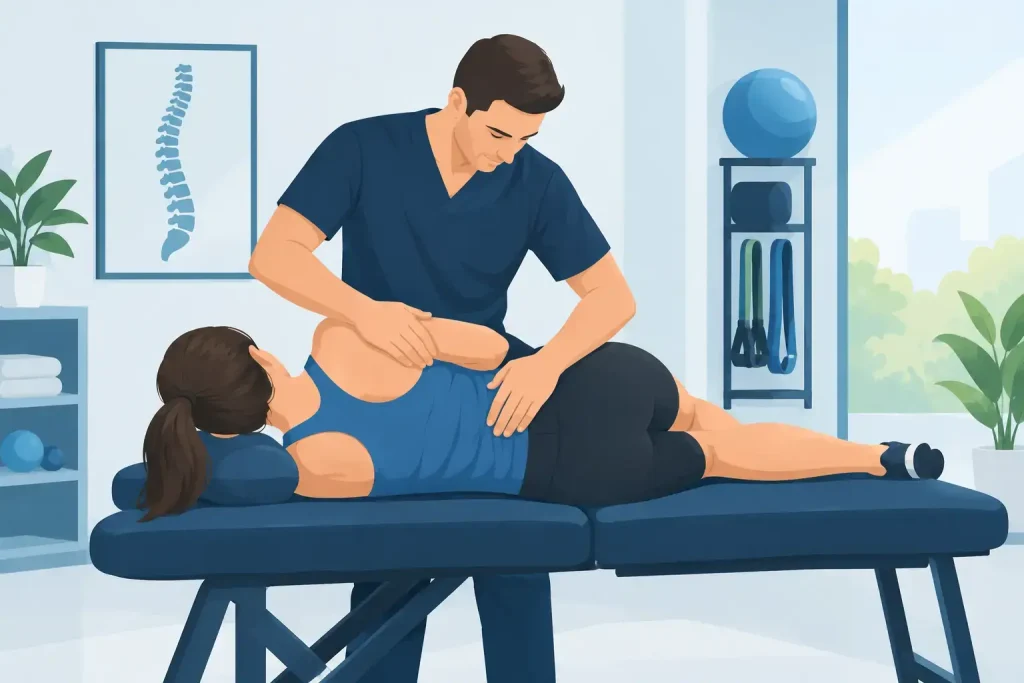
Your chiropractor assesses the body for signs of imbalance and determines which zone may need support. The adjustment is gentle and targeted, with the intention of helping restore harmony between the brain and the body systems it coordinates.
The Six Healing Zones Explained
1. Glandular Zone
The glandular zone relates to the body systems involved in growth, stress response, hormones, and regulation. Many people notice this area of life most clearly when they feel depleted, wired but tired, or unable to recover their usual energy after a demanding season.
Stress can affect the whole person. It may show up as shallow sleep, low energy, irritability, muscle tightness, or a sense that your body never fully shifts into rest. Chiropractic care does not replace medical evaluation or treatment for hormone concerns, but supporting healthy nervous system communication may be a meaningful part of a broader wellness plan.
2. Elimination Zone
The elimination zone is connected with the body’s natural processes for moving out what it no longer needs. Healthy elimination supports comfort, regularity, and a sense of lightness in the body.
When this system feels off, people may experience bloating, sluggishness, or general discomfort. Diet, hydration, movement, medication, illness, and stress can all play a role, so this is never a one-size-fits-all conversation. Zone-based chiropractic care considers whether nervous system stress may be contributing to the body’s ability to regulate these everyday processes.
3. Nervous Zone
The nervous zone is central to the Zone Technique because the nervous system is the communication network between the brain and every part of the body. It helps coordinate movement, sensation, stress response, rest, and countless automatic functions that happen without conscious effort.
When you are under constant pressure, recovering from an injury, or dealing with persistent pain, the nervous system can remain in a heightened state. You may feel tense, restless, fatigued, or more sensitive to discomfort. Gentle chiropractic adjustments are intended to reduce interference in this communication pathway, helping the body move toward a more regulated, adaptable state.
For many patients, this is why chiropractic care can feel different from simply addressing a painful spot. Relief matters, but so does helping the body feel safer, calmer, and more capable of responding to daily demands.
4. Digestive Zone
The digestive zone supports the functions involved in processing food and absorbing nourishment. Digestion is often more sensitive to stress than people realize. A rushed meal, irregular sleep, travel, anxiety, or ongoing discomfort can all change how the digestive system feels and functions.
Chiropractic care is not a cure for digestive disease, and significant or persistent digestive symptoms deserve medical attention. Still, when the body is carrying tension and nervous system stress, restoring better overall balance may support comfort and well-being alongside healthy nutrition, hydration, and appropriate medical care.
5. Muscular Zone
The muscular zone is often the most familiar place patients feel imbalance. Tight neck muscles, recurring low back pain, shoulder tension, restricted mobility, jaw discomfort, and lingering soreness can interfere with work, exercise, sleep, and the simple pleasure of moving freely.
Muscles work in partnership with joints, nerves, posture, and movement habits. That means treating muscle discomfort only where it hurts may not always be enough. A precise chiropractic assessment can help identify patterns of compensation and tension throughout the body. For an active adult, that may mean returning to walks, strength training, or time on the golf course with greater confidence. For a desk-bound professional, it may mean sitting, driving, and sleeping with less strain.
6. Circulatory Zone
The circulatory zone relates to the movement of blood and fluids that deliver oxygen and nourishment throughout the body. Circulation is fundamental to energy, tissue recovery, and the body’s day-to-day vitality.
No single adjustment can replace the benefits of medical care, movement, nourishing food, hydration, or sleep. Yet the body works as a connected system. When nervous system stress and physical tension are addressed, patients often feel more at ease in their bodies and better able to participate in the habits that support their health.
Why the Zones Work Better Together
The six zones are not separate compartments. They are a practical way to understand how one area of imbalance can affect another. A person who is stressed may sleep poorly. Poor sleep can increase muscle tension and reduce energy. That fatigue may make exercise, meal planning, and recovery harder. Over time, the pattern can become self-reinforcing.
This is why whole-body chiropractic care is especially valuable for people who have tried to manage symptoms one at a time without finding lasting change. Rather than asking only, “Where does it hurt?” a zone-based approach also asks, “What is your body trying to communicate?”
That question matters after an auto injury as well. Even a collision that seems minor can leave the body guarding, compensating, and carrying tension long after the initial event. Personalized care can help assess how the injury has affected movement, comfort, and overall balance. The same thoughtful approach can support children and families, whose needs and patterns of stress are different from those of adults.
What to Expect From Zone-Based Chiropractic Care
Your first visit should feel like a conversation, not a rushed transaction. You will have space to discuss your health history, current concerns, goals, and the ways discomfort is affecting your daily life. A chiropractor then evaluates your body and determines whether chiropractic care is appropriate for your needs.
Care plans vary. Some patients come in because of a clear problem, such as headaches, TMJ discomfort, back pain, or post-accident stiffness. Others are seeking more energy, better mobility, less stress, or proactive support for their wellness. Your response to care, the duration of symptoms, your activity level, and any outside medical needs all influence the right plan.
The adjustment itself is gentle and specific. Many people appreciate that they do not need to be forced into a routine that feels impersonal. Progress is measured not only by pain levels, but also by meaningful changes: sleeping more comfortably, moving with less hesitation, having more energy for family life, or feeling more connected to a body that has been asking for attention.
If you have severe pain, new weakness, numbness, fever, unexplained weight changes, bowel or bladder changes, or symptoms after a significant injury, seek prompt medical evaluation. Chiropractic care can be a valuable part of your health team, but it should always be used thoughtfully and alongside appropriate medical guidance.
Your body is not a collection of disconnected symptoms. When you give it patient, personalized support, small shifts in comfort, energy, and ease can become the beginning of a more balanced way of living.