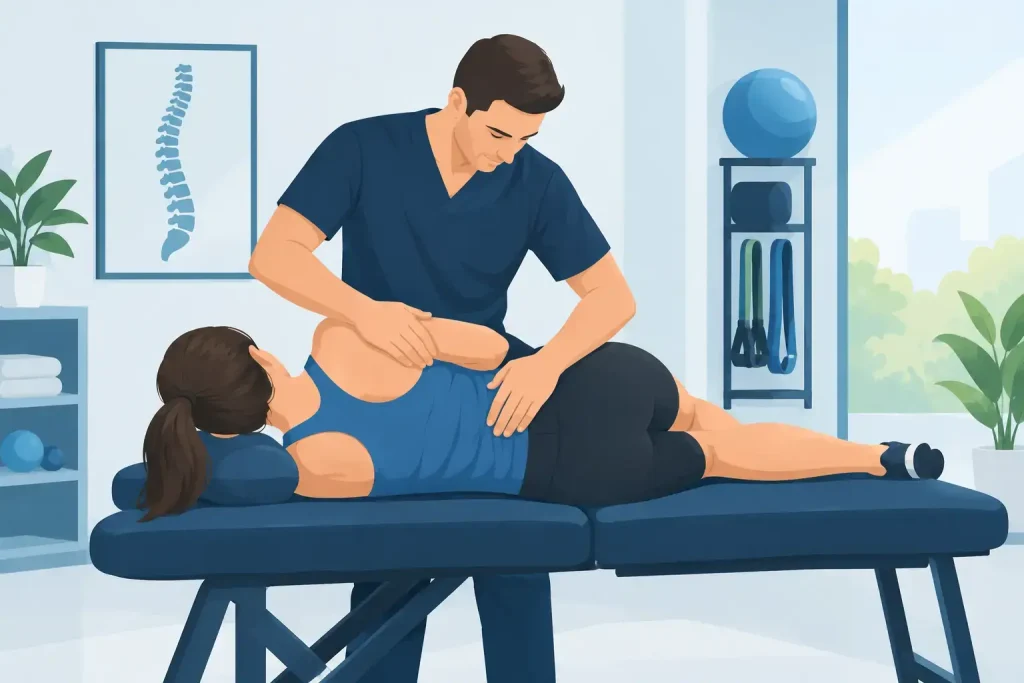


Feeling tired is not always as simple as needing another cup of coffee. For many people, low energy arrives alongside tension, poor sleep, headaches, digestive discomfort, lingering pain, or the sense that their body is working harder than it should. So, can Zone Technique improve energy? For the right person, this gentle, whole-body chiropractic approach may help by identifying areas of imbalance that could be placing extra stress on the body.
At Alchemy Chiropractic, we see energy as more than a number on a fitness tracker. It is how you feel when you wake up, how steadily you move through a workday, how present you can be with your family, and how much reserve you have left for the things you enjoy. Zone Technique care is designed to support the body’s natural healing ability so it can function with greater balance and harmony.
Why energy can feel harder to come by
Energy is influenced by many parts of life. Sleep quality, nutrition, hydration, stress, movement, illness, medications, hormonal changes, pain, and emotional demands can all play a role. That is why persistent fatigue deserves thoughtful attention rather than a quick fix.
Pain and physical tension can be especially draining. When your body is compensating for a stiff neck, low back discomfort, jaw tension, or an old injury, even ordinary activities may require more effort. You may sleep lightly because you cannot get comfortable, reach for caffeine to push through the afternoon, or avoid movement that once made you feel strong.
Chiropractic care is not a substitute for medical evaluation when fatigue is sudden, severe, or accompanied by concerning symptoms. If exhaustion is new, unexplained, or affecting daily life, it is wise to speak with your primary care provider. Blood work, medication review, sleep assessment, and other medical guidance may be needed to understand the full picture.
What makes the Zone Technique different?
The Zone Technique is a specific chiropractic system based on the idea that the body operates through six interconnected healing zones: glandular, elimination, nervous, digestive, muscular, and circulatory. Each zone represents an important area of body function.
During an assessment, the chiropractor looks for signs that one or more zones may be under stress or not communicating as efficiently as possible. Gentle, precise adjustments are then used with the goal of helping the brain and body reconnect and restore a more balanced state.
This is not one-size-fits-all care. Two people can both say they are exhausted and have very different needs. One may be carrying muscular tension from long hours at a desk. Another may be recovering from an auto injury and sleeping poorly because of pain. A third may feel overwhelmed by stress, digestive discomfort, and frequent headaches. The care plan should begin with listening to the whole story, not simply treating the loudest symptom.
The six zones and your sense of vitality
The six zones are not a promise that every symptom has one simple cause. They are a framework for understanding how the body can become overwhelmed when several systems are under strain.
The nervous zone relates to the communication pathways that help the body adapt to internal and external demands. The muscular zone can be affected by tension, overuse, posture, and injury. The circulatory zone supports blood flow throughout the body, while the glandular zone is associated with hormone-related regulation. The digestive and elimination zones reflect processes that influence how the body takes in, uses, and clears what it needs.
When a person feels more comfortable, sleeps more soundly, moves with less restriction, and experiences less stress from ongoing pain, improved energy may follow. That does not mean an adjustment acts like a stimulant. It means the body may have fewer obstacles competing for its resources.
Can Zone Technique improve energy for everyone?
The honest answer is: it depends. Some patients notice they feel lighter, calmer, or more energized after care, especially when pain and tension have been interfering with sleep and daily movement. Others notice gradual changes over several visits as their body begins to hold adjustments and move more freely. And for some, low energy may be driven primarily by factors that require medical, nutritional, mental health, or sleep-specific support.
Zone Technique chiropractic care may be a helpful part of a wider wellness plan, particularly if your fatigue seems connected to discomfort, stress patterns, restricted mobility, headaches, or poor restorative sleep. It works best when paired with the foundations your body needs: adequate sleep, nourishing meals, hydration, appropriate movement, and medical care when indicated.
A good chiropractor will not promise to cure fatigue or suggest that every health concern can be corrected through spinal adjustments. Instead, they should assess you carefully, explain what they find in understandable language, and help you decide whether chiropractic care fits your goals.
Signs your body may be asking for more support
Low energy can be easy to dismiss until it becomes your normal. You may be a good candidate for a chiropractic conversation if tiredness comes with recurring neck or back tension, headaches, jaw discomfort, stiffness after sitting, difficulty recovering after activity, or sleep that leaves you feeling unrested.
Parents often notice similar patterns in their children, although pediatric care should always be individualized and age-appropriate. A child who seems uncomfortable, tense, or unable to settle may benefit from a gentle evaluation, while persistent fatigue should also be discussed with their pediatrician.
Auto injuries deserve special attention. Even after the initial shock wears off, the body can hold onto tension and compensation patterns that interfere with comfort, movement, and sleep. Gentle, personalized care can be an important part of recovery, alongside any necessary medical evaluation and injury documentation.
What a personalized visit can look like
Your first visit should feel like a conversation, not a rushed transaction. The goal is to understand what has changed in your body, what your daily life demands of you, and what you want to feel capable of again.
A Zone Technique assessment may include a review of your health history, discussion of your symptoms and goals, and a chiropractic examination to identify patterns of imbalance and tension. From there, your chiropractor can recommend a care plan that reflects your needs rather than a generic schedule.
Adjustments are gentle and specific. Many patients appreciate that this approach does not rely on forceful treatment to create meaningful change. After care, you may be encouraged to pay attention to practical shifts: how you sleep, how freely you move, whether headaches change, and whether you have more capacity at the end of the day.
Progress is rarely identical from one person to the next. Some people experience an immediate sense of ease. Others need time, consistency, and supportive habits outside the office. The most useful measure is not chasing a perfect day of energy, but noticing whether your body is becoming more comfortable, adaptable, and resilient over time.
Supporting your energy between visits
Chiropractic care can create space for healing, but your daily choices help protect that progress. A short walk, a few moments of calm breathing, regular meals, enough water, and a more supportive sleep position can all matter. These are small practices, yet they tell your body that it is safe to recover rather than stay in a constant state of strain.
If you have been living with pain, fatigue, or the feeling that you are running on empty, you do not have to accept it as your baseline. A personalized Zone Technique assessment can help you better understand where your body may need support and what a more balanced path forward could feel like.