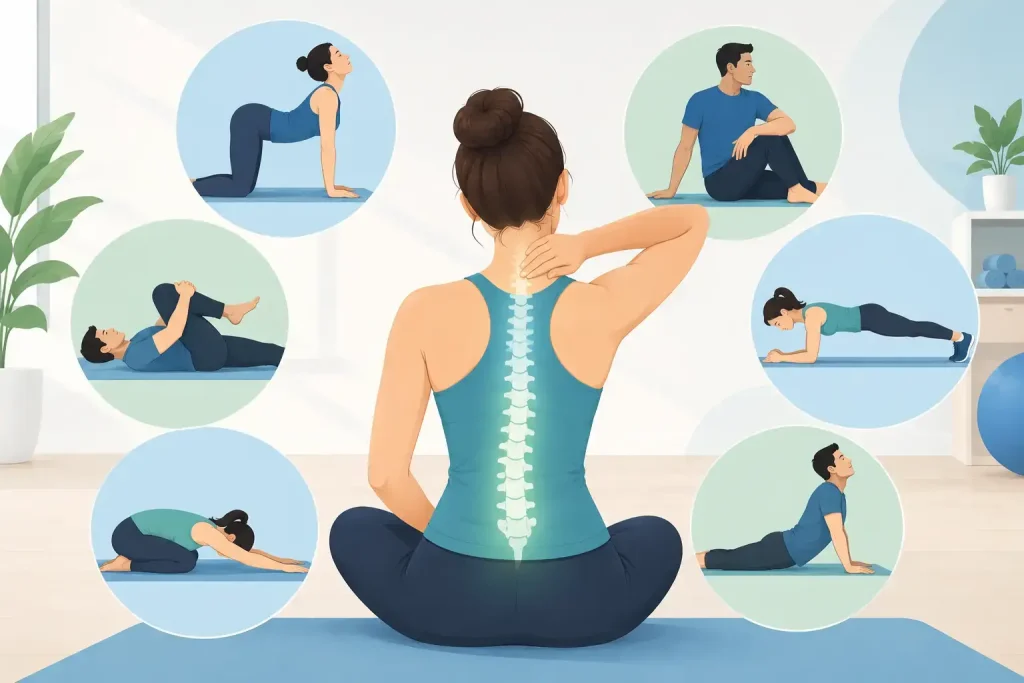


Neck pain has a way of shrinking your day. Turning to check a blind spot becomes difficult, your shoulders creep toward your ears during a meeting, and a pillow that once felt fine suddenly interrupts your sleep. For many people, the discomfort is not just in the neck. It can show up as headaches, jaw tension, aching between the shoulder blades, limited movement, or a sense that the whole body is working harder than it should.
The neck is a small area with a big job. It supports the head, protects a vital pathway of the nervous system, and must remain mobile enough for you to move comfortably through daily life. When its muscles, joints, and surrounding systems are under strain, the body often compensates. That is why meaningful care looks beyond the sore spot and considers what may be contributing to the imbalance.
Why Neck Pain Is Rarely Just About the Neck
A stiff neck after an awkward night of sleep can be straightforward. It may ease within a few days with gentle movement, rest, and a return to normal activity. But recurring or persistent discomfort often has more than one contributing factor.
Long hours at a laptop, frequent phone use, repetitive physical work, stress, reduced movement, and old injuries can all change how the head, shoulders, and upper back carry load. The issue is not that one posture is “perfect” all day. Human bodies are built to move. Trouble can develop when the same positions are held for too long, when muscles must constantly brace, or when the body has not fully recovered from a strain.
The upper back, shoulders, jaw, and nervous system all influence how the neck feels. For example, tight chest and shoulder muscles may pull the shoulders forward, leaving the neck muscles to work overtime. Jaw clenching can create tension near the temples and base of the skull. Emotional stress can also lead to shallow breathing and protective muscle guarding, even when you do not realize it is happening.
At Alchemy Chiropractic, care is approached through the understanding that the body works as an interconnected whole. The Zone Technique considers six healing zones: glandular, elimination, nervous, digestive, muscular, and circulatory. Rather than treating pain as an isolated problem, this perspective helps identify where the body may need support to restore greater balance and harmony.
Common Patterns Behind Neck Discomfort
Neck pain can begin suddenly or build gradually. A weekend project, a new workout, carrying a child, or sleeping in an unfamiliar bed may trigger a flare-up. Sometimes there is no single memorable event. The body simply reaches a point where accumulated tension becomes harder to ignore.
Desk work and device habits
Looking down at a phone or leaning toward a screen for hours places sustained demand on the neck and upper-back muscles. The answer is not to become rigidly posture-perfect. Instead, create more opportunities to change position. Raise screens closer to eye level, support your arms when possible, and take brief movement breaks before discomfort becomes intense.
Stress and muscle guarding
Stress does not stay in the mind alone. Many people hold it in their shoulders, jaw, or breathing patterns. If you notice that your shoulders rise when deadlines approach or that you wake with a tight jaw, your neck discomfort may be part of a larger tension pattern. Gentle care, intentional breathing, regular movement, and attention to recovery can all help reduce the load your body is carrying.
Injuries, including auto accidents
Even a low-speed collision can cause the head and neck to move forcefully. Symptoms may not always be immediate. Stiffness, headaches, reduced range of motion, shoulder pain, or upper-back discomfort can emerge later as inflammation and muscle guarding develop. Prompt evaluation after an accident can help clarify what is happening and guide the right next steps.
Referred discomfort
Pain felt in the neck may be influenced by nearby structures. Shoulder irritation, upper-back stiffness, TMJ concerns, or headaches can overlap with neck symptoms. This is one reason a personalized assessment matters. A plan should reflect your history, daily demands, movement patterns, and goals rather than rely on a one-size-fits-all approach.
Gentle Support for Neck Pain and Whole-Body Balance
When your neck is sore, it is tempting to stop moving completely. A brief period of relative rest can be appropriate after a fresh strain, but prolonged stillness can add to stiffness for many people. The better approach usually depends on the cause and severity of symptoms.
Start with kind, manageable movement. Slow shoulder rolls, an easy walk, or gentle neck motion within a comfortable range may help the body feel safer and less guarded. Do not force a stretch through sharp pain, numbness, dizziness, or a worsening headache. More intensity is not always more healing.
Your daily environment also matters. If you work at a computer, place the screen at a height that reduces the need to crane your neck forward. Use a chair that supports you well enough to let your shoulders soften. When driving, bring the seat close enough that you are not reaching for the wheel. Small adjustments can reduce repeated strain over the course of a week.
Sleep deserves attention too. The best pillow is not necessarily the firmest or most expensive one. It is the one that helps keep your head and neck comfortably supported in the position you usually sleep. Side sleepers often need enough height to fill the space between the shoulder and head, while back sleepers may prefer a lower profile. If a pillow consistently leaves you waking with more pain, it may be time to experiment with a different shape or height.
Chiropractic care may be a helpful part of a broader plan for people whose neck pain is connected to joint restriction, muscle tension, movement changes, or the aftereffects of physical stress. Gentle, specific adjustments are designed to support proper function and help the body move with less interference. Your care should begin with listening: when symptoms began, what makes them better or worse, what other areas are involved, and what you want to return to doing.
A personalized plan may also include recommendations for movement, recovery, ergonomic changes, or co-management with another healthcare professional when appropriate. Natural care is not about ignoring symptoms. It is about respecting the body’s signals and choosing support that fits the individual.
When Neck Pain Needs Prompt Medical Attention
Most neck discomfort is not an emergency, but certain symptoms should never be brushed aside. Seek urgent medical care if neck pain follows a significant fall, collision, or other trauma, especially if you have severe pain or cannot move your neck normally.
Contact a medical professional promptly if you experience any of the following:
- New weakness, numbness, tingling, or loss of coordination in an arm or hand
- Severe or unusual headache, fainting, confusion, vision changes, or trouble speaking
- Fever, unexplained weight loss, night sweats, or a stiff neck with feeling very ill
- Loss of bladder or bowel control
- Pain that is steadily worsening, wakes you night after night, or does not improve as expected
These signs do not automatically mean something serious is happening, but they deserve timely evaluation. The right provider will recognize when chiropractic care is appropriate and when another type of medical assessment should come first.
A More Restorative Way Forward
Neck pain can make life feel smaller, but it does not have to become your normal. Relief often begins when you stop viewing the neck as a separate problem and start noticing the patterns around it: how you work, rest, breathe, move, recover, and respond to stress.
With compassionate assessment and gentle, individualized care, the goal is not simply to chase a moment of relief. It is to help your body find a steadier sense of balance, so you can sleep more comfortably, move with greater ease, and return to the parts of life that make you feel like yourself.