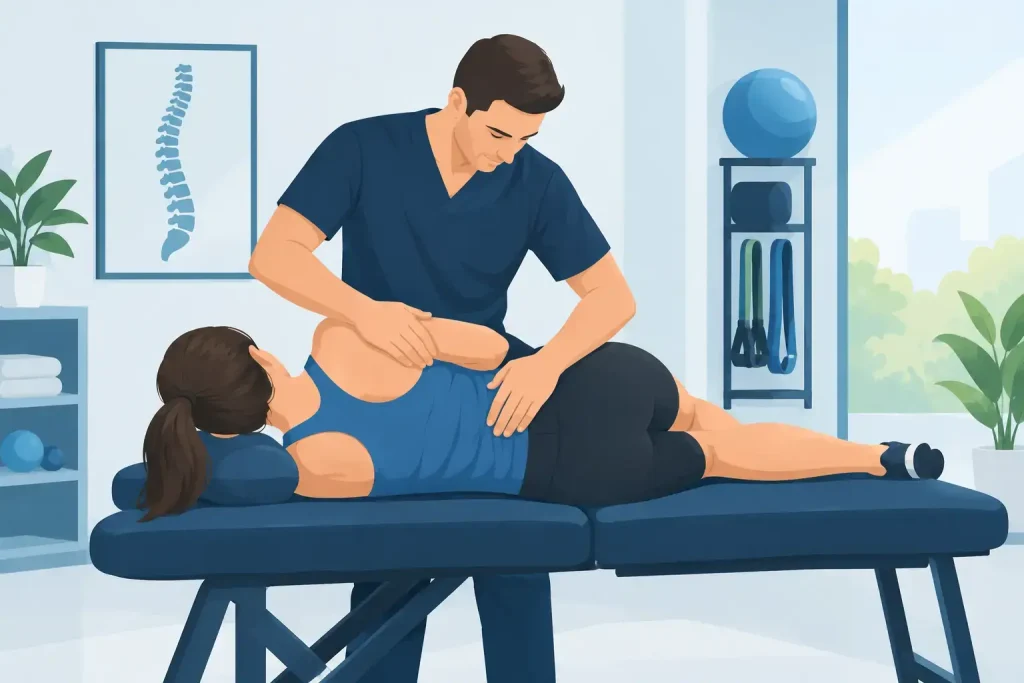


A stiff neck after a long drive, low back tension by midafternoon, or a jaw that feels clenched before bed can make the whole body feel out of balance. The best chiropractic exercises are not the hardest or most intense ones. They are gentle, consistent movements that help your body move with more ease while supporting the care plan designed for your specific needs.
At Alchemy Chiropractic, we see exercise as one part of a larger healing picture. Gentle movement can support the muscular and nervous systems, encourage circulation, and help you become more aware of the patterns that keep pulling your body out of harmony. It does not replace a personalized chiropractic evaluation or adjustment, especially when pain is new, severe, or connected to an injury. But when the right movements are chosen well, they can be a meaningful part of your everyday restoration.
What Makes an Exercise Chiropractic-Friendly?
Chiropractic-friendly exercises are controlled, comfortable, and focused on quality rather than force. The goal is not to stretch through pain, crack a joint, or push your body into a position it is not ready to hold. The goal is to create a little more room for healthy movement, stability, and connection between your brain and body.
The right routine depends on what is happening for you. Someone with desk-related neck tension may benefit from upper-back mobility and posture work. A runner with hip tightness may need glute and core support. After an automotive injury, even familiar exercises may need to wait until your body has been assessed. If any movement causes sharp pain, numbness, tingling, dizziness, increasing headache pain, or symptoms that travel into an arm or leg, stop and seek professional guidance.
7 Best Chiropractic Exercises for Everyday Support
These movements are appropriate for many adults when performed gently and without pain. Start with a small range of motion, move slowly, and breathe normally. A few mindful minutes most days can be more supportive than one long session done inconsistently.
1. Chin Tucks for Neck and Posture Support
Chin tucks gently activate the deep muscles that support your neck, particularly helpful for people who spend hours looking at a laptop, phone, or steering wheel. Sit or stand tall with your shoulders relaxed. Without tipping your head down, draw your chin straight back as if making a soft double chin. Hold for three to five seconds, then release.
Try six to ten repetitions. You should feel a mild effort at the front or back of the neck, not pinching or pain. Keep your shoulders down rather than lifting them toward your ears.
2. Shoulder Blade Squeezes for Upper-Back Tension
When the chest and front shoulders become tight, the upper back often works overtime. Shoulder blade squeezes invite the muscles between the shoulder blades to participate again without heavy resistance.
Sit or stand with your arms relaxed at your sides. Gently draw your shoulder blades back and slightly down, as though you are holding a piece of paper between them. Hold for five seconds, release fully, and repeat eight to twelve times. The movement should feel open and steady, never forced.
3. Cat-Cow for Spinal Mobility
Cat-cow offers a calm way to move through flexion and extension of the spine. Begin on hands and knees with your wrists under your shoulders and knees under your hips. As you inhale, let your chest move gently forward and lengthen through your spine. As you exhale, round your back comfortably and let your head follow naturally.
Move through six to eight slow rounds. Keep the range modest if you have low back sensitivity, wrist discomfort, or are returning to movement after a flare-up. This is not about reaching the biggest arch or round. It is about reminding your spine that it can move with ease.
4. Pelvic Tilts for Low Back Awareness
Pelvic tilts can help you reconnect with the deep abdominal and low back muscles that support your pelvis. Lie on your back with knees bent, feet flat, and arms resting comfortably at your sides. Gently exhale and flatten your low back slightly toward the floor by tipping your pelvis. Then return to a relaxed, neutral position.
Repeat eight to ten times at an unhurried pace. Avoid pressing aggressively into the floor. This is a small movement, but it can be especially useful when your low back feels guarded after sitting, lifting, or standing for long periods.
5. Bridges for Glute and Core Strength
Your glutes, hips, and core all help share the load during walking, lifting, and everyday movement. When they are not doing their part, the low back may compensate. Bridges build gentle strength in these supporting muscles.
From the same position as a pelvic tilt, press lightly through both feet and lift your hips until your body creates a comfortable line from shoulders to knees. Pause for two or three breaths, then lower slowly. Aim for six to ten repetitions.
Keep your ribs from flaring and avoid squeezing so hard that your back takes over. If you feel cramping in the hamstrings, bring your feet a little closer to your body or reduce the height of the lift.
6. Figure-Four Stretch for Hips and Glutes
Tight hips can change the way your pelvis and low back move. The figure-four stretch gently opens the outer hip and glute area. Lie on your back with both knees bent, then cross one ankle over the opposite thigh just above the knee. If this is enough of a stretch, stay there. If it feels comfortable, draw the uncrossed leg toward your chest.
Hold for 20 to 30 seconds with relaxed breathing, then switch sides. Do not press on the bent knee or force it toward the floor. A mild stretching sensation is enough.
7. Open-Book Rotations for Mid-Back Mobility
The middle of the back is designed to rotate, yet it often becomes stiff with sedentary routines. Open-book rotations can restore comfortable movement through this area while keeping the low back relatively supported.
Lie on your side with knees bent and arms extended in front of you, palms together. Slowly open your top arm across your body, allowing your chest to rotate as far as feels easy. Keep your knees together and follow your hand with your eyes if that is comfortable. Return slowly and repeat five to eight times per side.
If this movement causes shoulder pain, reduce your range or place a pillow under your top arm for support.
How to Build a Routine That Helps Instead of Overwhelms
You do not need to perform all seven exercises every day. Choose two or three that match where your body needs support, then practice them for five to ten minutes. A desk worker might pair chin tucks, shoulder blade squeezes, and open-book rotations. Someone with low back stiffness may prefer pelvic tilts, bridges, and a gentle figure-four stretch.
Consistency matters, but so does recovery. If your body feels more irritated after exercise and that discomfort does not settle quickly, scale back. More repetitions are not always better. Healing often asks for patience, precision, and the willingness to listen to what your body is communicating.
Hydration, regular walking, restorative sleep, and simple breathing breaks can also make these exercises more effective. Movement works best when it is part of a life that gives the body opportunities to recover, rather than another task you power through.
When Exercise Is Not the First Step
There are times when self-guided exercise should take a back seat to a proper evaluation. New pain after a car accident, a fall, or a sports injury deserves individualized attention. So do persistent headaches, jaw pain, recurring numbness or tingling, unexplained weakness, pain that wakes you at night, or symptoms that are getting worse instead of better.
For children, exercise needs are different as well. Their bodies are growing, and a parent may notice changes in comfort, coordination, sleep, or posture before a child can explain what feels off. A personalized approach helps ensure movement recommendations are appropriate for their stage of development.
Chiropractic care can help identify where the body may be compensating and what kind of support makes sense. Through a whole-body approach centered on balance across the glandular, elimination, nervous, digestive, muscular, and circulatory zones, care can look beyond the place where discomfort is loudest.
Your body does not need punishment to become stronger. Start with one gentle movement, practice it with care, and let comfort, steadiness, and awareness guide the next step.