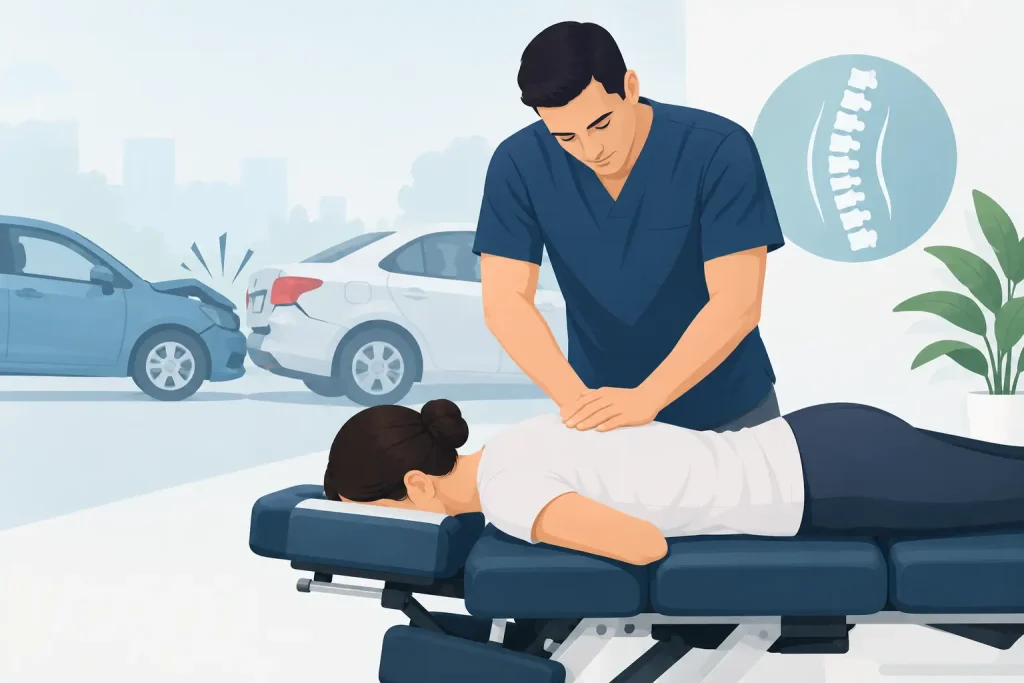


A car accident does not have to look dramatic to leave your body shaken. Many people walk away feeling lucky, only to wake up later with neck stiffness, headaches, low back pain, jaw tension, dizziness, or a strange sense that something just feels off. That is often when questions about chiropractic after auto injury begin.
The challenge is that auto injuries do not always announce themselves right away. Adrenaline can mask pain in the first hours or even days. Soft tissue strain, spinal misalignment, muscle guarding, and nervous system stress can build quietly, then start to affect sleep, focus, movement, and energy. What seemed minor at first can begin to interfere with daily life in a very real way.
Why chiropractic after auto injury can matter
After an accident, the body often shifts into protection mode. Muscles tighten, movement patterns change, and inflammation can create pressure and discomfort far beyond the original point of impact. Even a low-speed collision can produce enough force to stress the neck, back, shoulders, and hips.
Chiropractic care can help restore balance to a body that has been jolted out of its normal rhythm. Rather than only chasing symptoms, the goal is to assess how the injury has affected alignment, mobility, and nervous system function. When the body is better aligned and moving more freely, healing tends to happen with less resistance.
This is especially relevant for people dealing with whiplash-related symptoms. Whiplash is not just neck pain. It can show up as headaches, upper back tightness, numbness or tingling, jaw discomfort, fatigue, and reduced range of motion. In some cases, symptoms appear gradually, which is one reason early evaluation can be helpful even if pain still seems manageable.
What chiropractic care may help with after a crash
The most common reason people seek care after an accident is pain, but pain is only part of the picture. Auto injuries can disrupt how the whole body feels and functions.
A thoughtful chiropractic approach may support people dealing with neck pain, back pain, shoulder tension, headaches, sciatica, hip discomfort, restricted mobility, and postural strain that developed after impact. Some patients also notice sleep problems, irritability, or low energy, especially when the nervous system has been under stress for days or weeks.
At a whole-body practice, care is not limited to the obvious sore spot. An accident can create compensation patterns from head to toe. If the neck is protecting itself, the shoulders may tighten. If the pelvis shifts, the low back and legs may start working harder. Looking at the body as an integrated system often leads to more complete healing than focusing on one painful area alone.
What to expect from chiropractic after auto injury
The first step should be listening. Your provider should want to understand how the accident happened, when symptoms began, what has changed since then, and how your body is responding now. The details matter because different collision patterns can create different stress patterns in the body.
A careful exam typically looks at posture, range of motion, areas of tenderness, joint restriction, muscle tension, and signs that the nervous system may be under strain. Depending on your symptoms, your chiropractor may also discuss whether imaging or co-management is appropriate. Good care is never about forcing the same plan onto every patient. It is about understanding what your body needs.
Treatment itself should feel specific and intentional. After an auto injury, aggressive care is not always the best fit. In fact, many patients do better with a gentle approach that respects inflammation, tenderness, and the body’s natural protective responses. Precise adjustments, paired with a whole-body view of healing, can support recovery without overwhelming a system that is already stressed.
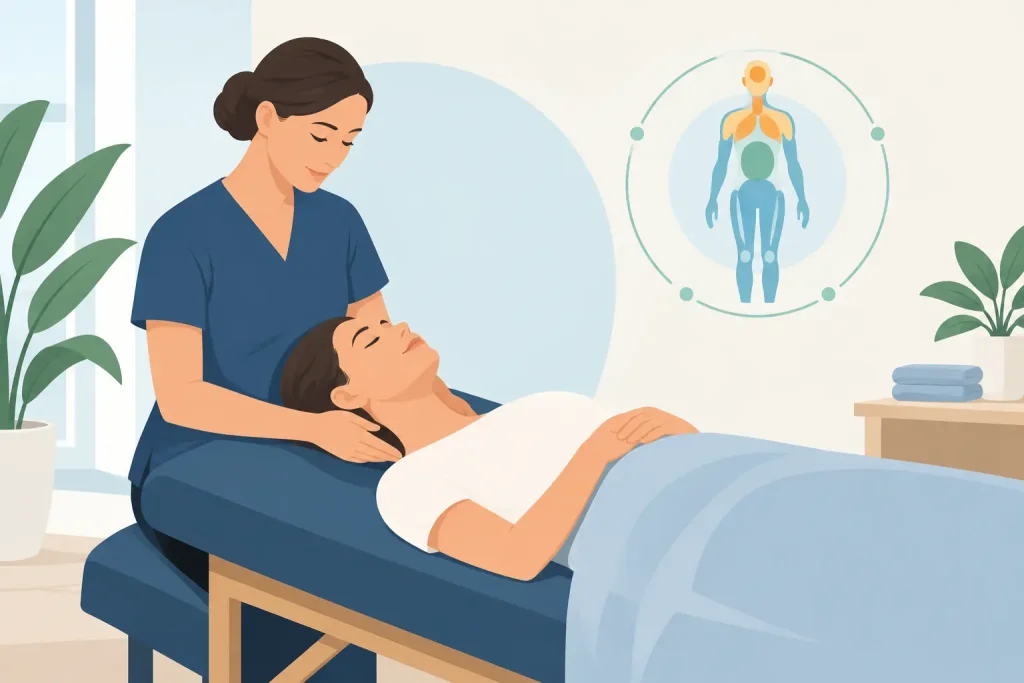
At Alchemy Chiropractic, that philosophy aligns closely with the Zone Technique, which looks at how six healing zones of the body are functioning: glandular, elimination, nervous, digestive, muscular, and circulatory. Following an accident, it is easy to think only about the sore neck or back. But trauma can ripple through multiple systems, affecting tension, digestion, sleep, focus, and energy. Supporting balance across the body can be part of helping someone feel like themselves again.
When should you see a chiropractor after an accident?
Sooner is usually better, as long as urgent medical needs have been addressed first. If you have severe pain, suspected fracture, head injury symptoms, chest pain, shortness of breath, significant weakness, or any emergency warning signs, emergency medical care comes first.
If those concerns have been ruled out, many people benefit from being evaluated early rather than waiting for symptoms to become chronic. Small restrictions and inflammation patterns can become more stubborn over time. The body adapts quickly, and not always in ways that support long-term comfort.
That said, it is not too late if your accident happened weeks or even months ago. Plenty of people seek care only after realizing they are still not sleeping well, still turning their head carefully, or still getting headaches that were not there before. Healing timelines vary. What matters is paying attention to what your body is telling you now.
Does chiropractic after auto injury work for everyone?
Not every injury is the same, and not every person needs the same kind of care. That is part of what makes personalized treatment so important.
Some patients improve quickly with chiropractic care alone. Others benefit from a combined approach that may include medical evaluation, physical therapy, massage, exercise guidance, or additional imaging. There are also times when certain techniques should be modified because tissues are too inflamed or the injury pattern calls for extra caution.
This is where experience and clinical judgment matter. Reassuring care does not mean simplistic care. It means meeting the body where it is, respecting its limits, and choosing the right next step instead of the fastest one.
The whole-body side of recovery
One of the most overlooked parts of an auto injury is how deeply it can affect your sense of stability. You may be sore, but you may also feel unsettled, tired, mentally foggy, or unlike yourself. That does not mean your symptoms are imagined. It often means your nervous system is still processing stress.
Healing tends to go better when care supports more than structural pain. Restoring motion matters. So does calming the nervous system, reducing protective tension, and helping the body move out of survival mode. This is where a holistic chiropractic approach can feel different. The focus is not only on getting through the week with less pain. It is on restoring harmony so the body can recover more fully.
For many patients, that translates into practical changes. Headaches become less frequent. Driving feels less intimidating because turning the neck is easier. Sleep improves. Energy returns. Movement becomes more natural again.
Questions to ask when choosing a chiropractor after a car accident
If you are looking for care, pay attention to whether the office takes time to understand your accident and your symptoms instead of rushing straight into treatment. Ask how they approach auto injuries, whether care is gentle and personalized, and how they decide when to refer out or coordinate with other providers.
You should also feel comfortable asking what progress will be measured by. Pain relief matters, but so do mobility, daily function, sleep, and overall well-being. A good plan should make sense to you. You should not leave feeling confused about what your body is doing or why a recommendation was made.
A steady path forward after an accident
Recovering from a crash is rarely just about one sore muscle or one misaligned joint. It is about helping the body regain trust, balance, and function after an unexpected shock. Chiropractic after auto injury can be a meaningful part of that process when care is thoughtful, gentle, and tailored to the person in front of you.
If your body has felt tense, limited, or out of sync since an accident, listen to that signal. Healing often begins with giving those symptoms the attention they deserve and choosing care that supports your whole body, not just the pain point.