

A lot of people come in with one clear complaint – neck pain, headaches, low back tension, jaw discomfort, poor sleep, or fatigue that never quite lifts. What surprises them is learning how zone technique works: instead of chasing one symptom at a time, it looks at how the body’s major healing systems are communicating and whether that communication is in balance.
That shift matters. When the brain and body are working together well, healing tends to happen more efficiently. When one or more systems are stressed, the effects can show up almost anywhere. You might feel it in your muscles, your digestion, your energy, your mood, or your ability to recover after an injury. Zone Technique is designed to help restore that internal harmony so the body can do what it is already built to do – heal.
What is Zone Technique?
Zone Technique is a chiropractic method based on the idea that the body can be understood through six organizing systems, often called zones. These zones are the glandular, elimination, nervous, digestive, muscular, and circulatory systems. Each one plays a different role in keeping you healthy, but none of them operate in isolation.
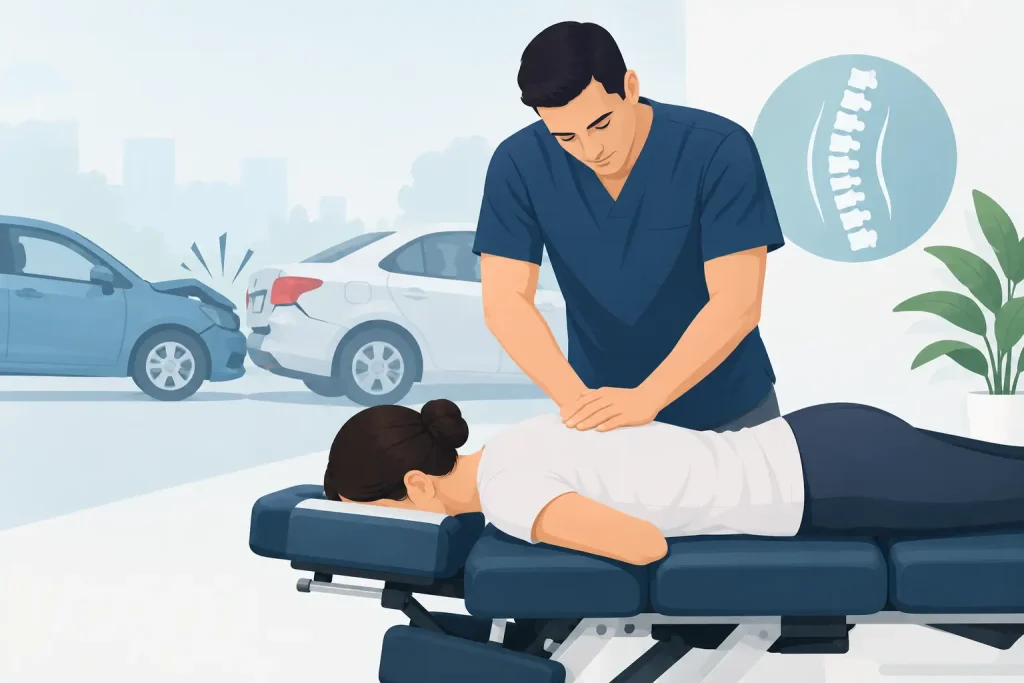
If one zone is under strain, others often begin to compensate. That is one reason symptoms can feel so confusing. A person may come in for recurring headaches but also notice poor sleep, tight shoulders, and digestive upset. Another may be recovering from a car accident and still feel off weeks later, not just because of pain, but because the body has lost some of its overall balance.
Zone Technique uses specific chiropractic analysis and gentle adjustments to identify where those imbalances are happening and help restore better communication between the brain and the body.
How zone technique works from a whole-body perspective
At its core, Zone Technique starts with a simple principle: the brain helps coordinate healing in the body. If signals between the brain and different systems are not as clear or organized as they should be, the body may not perform at its best. That does not mean every problem has one single cause, and it does not mean every person needs the same care. It means the body is approached as an integrated system rather than a collection of unrelated parts.
In practice, a chiropractor trained in this method assesses the six zones to see which systems appear balanced and which do not. That analysis guides the adjustment. Instead of giving the same treatment to everyone with back pain or headaches, care is tailored to the patterns showing up in that individual body on that day.
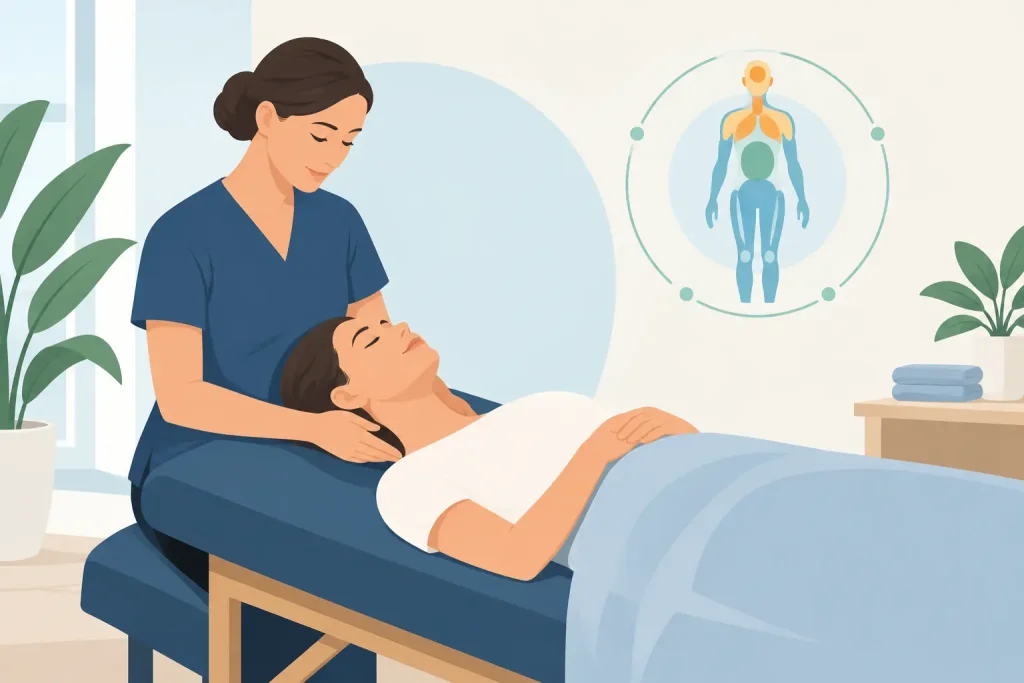
This personalized approach is one of the reasons patients often describe care as feeling precise rather than generic. The adjustment itself is usually gentle and specific. The goal is not force for the sake of force. The goal is to stimulate a better healing response.
The six zones and what they influence
Understanding the six zones can make the method feel much more intuitive.
The glandular zone relates to hormones and the body’s regulatory chemistry. When this system is under stress, people may notice changes in energy, sleep patterns, stress tolerance, or a general sense of being off.
The elimination zone supports how the body processes and removes waste. If this area is not functioning well, it can affect how heavy, sluggish, or inflamed a person feels.
The nervous zone involves the communication network that helps coordinate sensation, movement, and regulation throughout the body. Because the nervous system is involved in so many functions, imbalance here can show up in many different ways.
The digestive zone is tied to how the body breaks down food, absorbs nutrients, and supports gut function. Digestive discomfort, bloating, irregularity, and low energy after meals may all fit into this picture.
The muscular zone is connected to movement, tension, stability, and the way the body physically carries stress. Tightness, soreness, restricted motion, and postural strain often show up here.
The circulatory zone relates to blood flow and the movement of nourishment throughout the body. When circulation is not working as well as it should, recovery, vitality, and comfort can be affected.
These categories are not meant to box people in. They are a way of understanding patterns. Many patients have signs of imbalance in more than one zone, which is why whole-body care can feel so different from symptom-only treatment.
What happens during a Zone Technique visit?
A Zone Technique visit begins with listening. Your history, symptoms, stressors, injuries, and health goals all matter. A person with long-term tension headaches needs a different lens than a child with sensory stress or someone recovering after an auto accident.
From there, the chiropractor evaluates which zones are in balance and which are not. This analysis helps determine where the body needs support. Once that picture is clear, a gentle, specific adjustment is performed to help restore better communication and alignment.
Some patients notice a sense of relief right away. Others describe feeling calmer, lighter, or more clear-headed after care. In some cases, especially when patterns have been building for a long time, healing happens more gradually. That is normal. The body often needs time and consistency to settle into a healthier pattern.
Why people seek this kind of care
People are often drawn to Zone Technique because they are tired of piecing their health together in fragments. They may have addressed pain in one place, digestion in another, and fatigue somewhere else, yet still not feel like themselves.
A whole-body approach can be especially meaningful for adults juggling stress, work demands, physical strain, poor sleep, and chronic tension. It can also be helpful for families who want care that feels gentle and individualized, or for those recovering from trauma such as an automotive injury, where the effects can ripple through the body beyond the most obvious sore areas.
That said, Zone Technique is not about promising the same outcome for every person. Healing depends on many factors, including the nature of the problem, how long it has been present, lifestyle patterns, and how the body responds to care. The value of the method is that it looks deeper than the surface symptom and creates a more personalized path forward.
How zone technique works differently than standard chiropractic care
Many people are familiar with chiropractic as spinal adjustment for neck or back pain. Zone Technique includes spinal analysis and adjustment, but the intention is broader. Rather than focusing only on the area that hurts, it asks a bigger question: which systems of the body are out of harmony, and how can we help the brain and body coordinate better?
For some patients, that difference is the missing piece. Pain may be the reason they schedule, but what they really want is to feel better in their whole body. They want more energy, less tension, better mobility, clearer focus, steadier sleep, and the sense that their body is no longer fighting itself.
That is why this work can feel both practical and deeply restorative. It addresses structure, but it also respects the body’s internal wisdom.
Is Zone Technique right for everyone?
The short answer is that it depends on the person, the condition, and the goals of care. For many adults and families looking for a natural, personalized approach, it can be an excellent fit. It may also be a supportive option for people dealing with recurring pain, stress-related tension, headaches, TMJ discomfort, or recovery after physical strain.
What matters most is working with a practitioner who takes time to understand your health history and explain care clearly. At Alchemy Chiropractic, that commitment to individualized, healing-centered care is central to the experience. Patients are not rushed through a routine. They are seen as whole people whose bodies are capable of change.
If you have been feeling stuck in a cycle of managing symptoms without getting to the deeper pattern, this approach may offer a different way to think about healing. Sometimes the next step is not doing more. It is helping the body find balance again so it can do its work with less resistance.
Real healing often starts there – not in forcing the body, but in listening to it and giving it the right support at the right time.