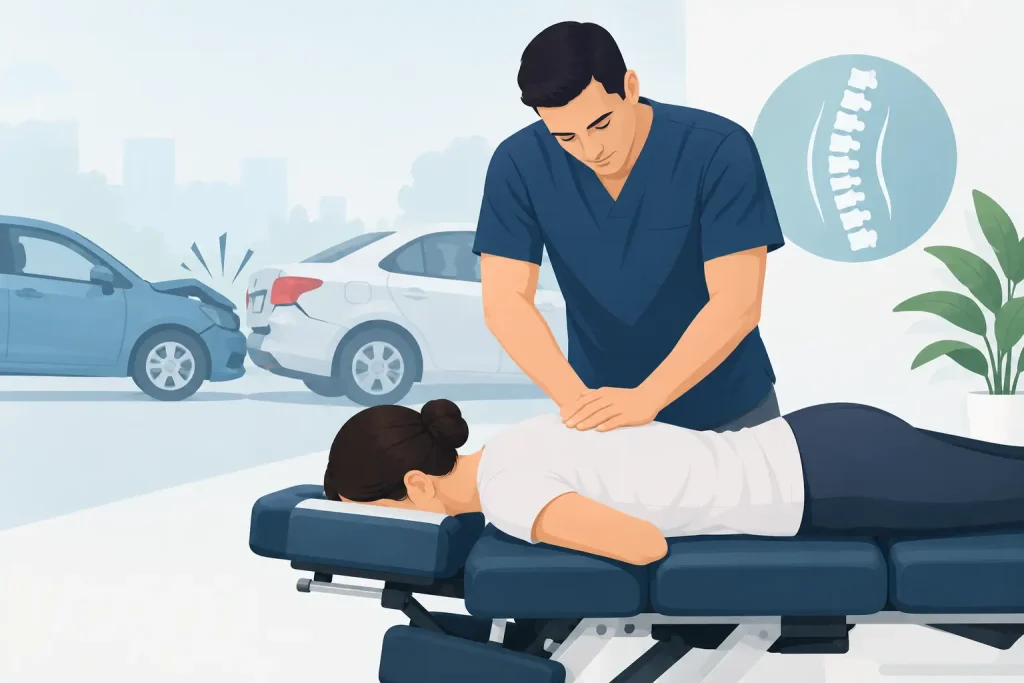


The crash may have lasted seconds, but your body can carry its effects for days, weeks, or longer. Personal injury chiropractic care offers a gentle, attentive path for people who are dealing with pain, stiffness, headaches, reduced mobility, or a sense that they simply have not felt like themselves since an accident.
After an automotive injury, it is easy to focus on visible damage, insurance details, and the practical demands of daily life. Meanwhile, the body may be working hard to compensate. A tight neck can affect sleep. A guarded shoulder can change the way you move. Low back discomfort can make work, exercise, driving, and time with family feel more difficult than they should.
Healing begins by listening to what your body is communicating and creating a plan that respects where you are now.
Why Symptoms Can Appear After the Accident
Not every injury announces itself immediately. During a collision, the body may enter a heightened stress response. Adrenaline can temporarily mask discomfort, especially when there are calls to make, a vehicle to address, and responsibilities waiting at home or work.
As that initial response settles, symptoms may become more noticeable. Neck pain, back pain, muscle tension, headaches, jaw discomfort, fatigue, dizziness, and limited range of motion are all reasons to seek an evaluation. Even a low-speed collision can place unexpected force through the spine, muscles, ligaments, and nervous system.
This does not mean every ache has the same cause or requires the same care. It means your experience deserves individual attention. The right approach depends on the nature of the accident, your current symptoms, your health history, imaging or medical findings when needed, and how your body responds over time.
If you have severe pain, new weakness, numbness, confusion, fainting, chest pain, trouble breathing, loss of bowel or bladder control, or symptoms that feel urgent, seek emergency medical care right away. Chiropractic care can be a valuable part of recovery, but it should complement appropriate medical evaluation when serious injury is possible.
What Personal Injury Chiropractic Care Can Address
Personal injury chiropractic is not about rushing into a standard adjustment. It is about understanding how trauma may have disrupted your movement, comfort, and internal balance, then choosing gentle, specific care that fits your body.
After an accident, many people develop protective patterns. Muscles tighten to guard an irritated area. One side of the body may work harder than the other. A person may avoid turning their head fully, lifting normally, or taking a full stride. These adaptations can be helpful in the short term, but when they persist, they may contribute to ongoing discomfort and restricted movement.
Chiropractic care may support recovery by helping restore healthier spinal motion, reduce tension patterns, and improve communication between the brain and body. Patients often seek care for concerns such as whiplash-related neck stiffness, headaches, shoulder or hip discomfort, low back pain, muscle soreness, and difficulty returning to normal activity.
Care is never a promise that every symptom will disappear on a particular timeline. Healing is personal. Some people notice changes quickly, while others need a steadier course of care as the body unwinds compensation patterns and rebuilds confidence in movement.
A Whole-Body View of Recovery
Pain after a collision is rarely just about one sore spot. The body is interconnected. When your neck is tight, you may sleep poorly. When sleep is disrupted, energy and resilience can suffer. When movement feels limited, stress can rise and daily routines can shrink.
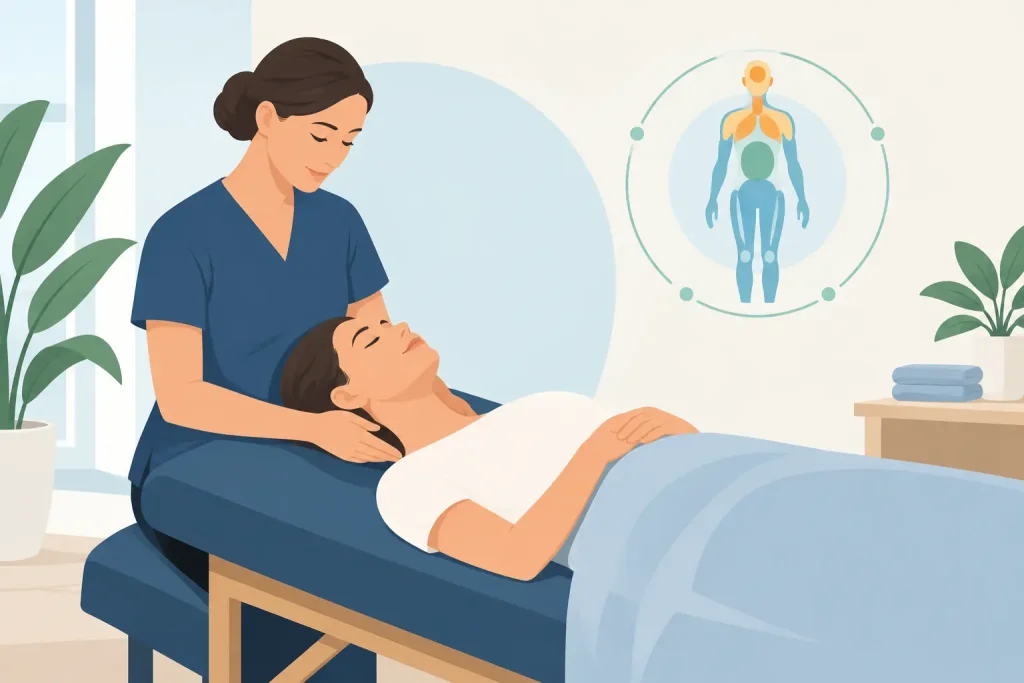
At Alchemy Chiropractic, this whole-body perspective is central to care. The Zone Technique looks beyond the idea of chiropractic as routine spinal manipulation alone. It recognizes six healing zones – glandular, elimination, nervous, digestive, muscular, and circulatory – that work together to support balance and healing throughout the body.
For someone recovering from an accident, this approach creates space to consider more than the location of pain. A chiropractor can assess how the body is adapting, where tension or imbalance may be present, and what type of gentle adjustment may best support your next step forward. The goal is not to force the body into change. It is to help create the conditions in which the body can do what it is designed to do: heal.
That distinction matters. A personalized plan may include focused chiropractic adjustments, guidance on activity modification, and ongoing reassessment based on how you are feeling and functioning. If symptoms point to a need for another provider, imaging, or medical care, a responsible care plan recognizes that, too.
What to Expect at Your First Visit
After a car accident, it can be reassuring to know that you do not have to arrive with every answer. Your first visit is a chance to tell the full story of what happened and how your body has felt since.
Your chiropractor may ask about the type of collision, the direction of impact, when symptoms began, what makes them better or worse, and whether you received medical evaluation. They will also want to understand your previous injuries, current medications, daily activities, and personal health goals.
The examination may include observing posture, checking movement, gently assessing areas of tenderness or tension, and determining whether chiropractic care is appropriate. Depending on your presentation, a referral for imaging or medical evaluation may be recommended before care begins.
When chiropractic care is appropriate, treatment should feel clear and collaborative. You should understand what is being recommended, why it is being recommended, and how progress will be measured. Gentle, specific adjustments are chosen based on your individual findings, not simply because you were in an accident.
Recovery Is More Than Feeling Less Pain
Pain relief matters. So does being able to turn your head comfortably while driving, sleep through the night, carry groceries, sit through a workday, or return to the activities that make you feel most like yourself.
A meaningful recovery plan looks at function alongside symptoms. You may notice that your range of motion is improving, that headaches are less frequent, or that you have more energy by the end of the day. These shifts can be just as valuable as a lower number on a pain scale because they reflect greater ease in everyday life.
At the same time, pacing matters. Trying to return to intense exercise, heavy lifting, or long days too quickly can aggravate an already stressed body. Your chiropractor can help you think through reasonable activity choices based on your symptoms and stage of recovery. Some movement is often helpful, but the right amount depends on the person.
Protecting Your Care After an Auto Injury
Consistency can make a real difference after an injury. If you have been given a care schedule, follow it as closely as practical and communicate honestly about changes in symptoms. Tell your provider if a movement causes sharp pain, if headaches worsen, or if you develop new symptoms.
It is also wise to keep clear records. Note the date of the accident, medical visits, symptoms, missed work, and how your discomfort affects ordinary activities. If insurance or legal questions are part of your situation, accurate documentation can be helpful. Your healthcare decisions, however, should remain centered on your health and appropriate clinical care, not paperwork alone.
Be patient with the process. The body does not heal according to a calendar or an insurance deadline. It responds to the severity of the injury, your overall health, stress levels, rest, movement, and the consistency of supportive care.
A Calmer Path Forward
An accident can leave you feeling disconnected from your body and uncertain about what comes next. Thoughtful chiropractic care offers a place to slow down, be heard, and take meaningful steps toward greater comfort, mobility, and harmony.
If your body still feels different after a collision, pay attention to that message. Seeking a gentle evaluation can help you understand your options and choose care that supports not only where you hurt, but how you want to live, move, rest, and heal.