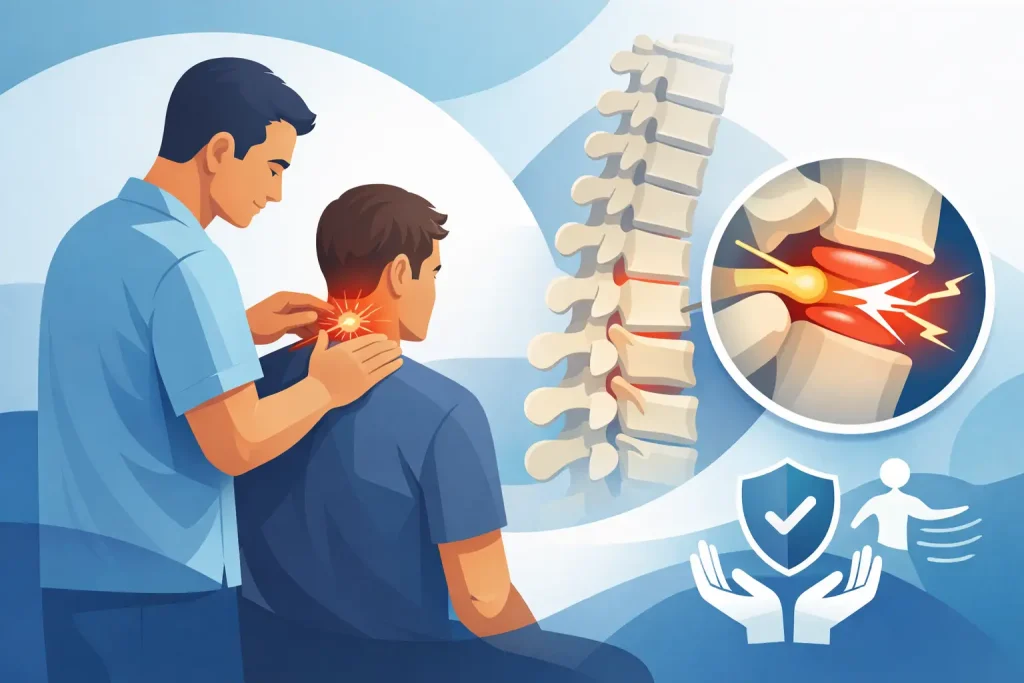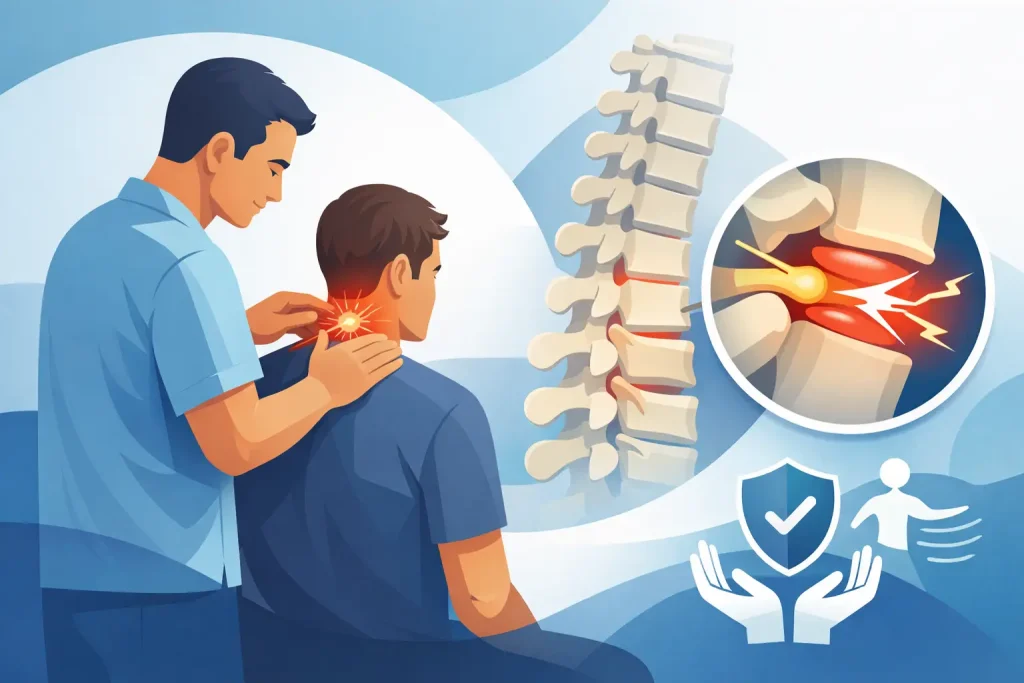


You can feel “off” long before a test result tells you anything is wrong. Maybe your neck keeps tightening by 3 p.m., your sleep feels lighter, your digestion is inconsistent, or a headache shows up every week like clockwork. For many people, this is where the question begins: how chiropractic supports healing is not just about back pain, but about helping the body return to a more balanced, functional state.
That shift matters because healing is not the same as masking symptoms. Relief is part of the process, but real healing asks a deeper question: what is keeping the body stuck in stress, tension, or compensation? Chiropractic care works by addressing interference in the body so it can communicate, regulate, and recover more effectively.
How chiropractic supports healing in the body
At its core, chiropractic care supports healing by improving the relationship between the brain, spine, nervous system, and the rest of the body. When the body is under physical, chemical, or emotional stress, it can begin to adapt in ways that are useful in the short term but draining over time. Muscles tighten. Posture changes. Sleep gets lighter. Pain signals become louder. Energy can drop.
A precise chiropractic adjustment helps restore better communication within the nervous system. That does not mean every condition disappears overnight, and it does not mean chiropractic is a cure-all. It means the body often functions better when stress patterns are reduced and alignment improves. Better function can lead to less tension, improved mobility, calmer inflammation responses, and a greater capacity to heal.
This is one reason many patients notice changes that go beyond the original complaint. Someone may come in for low back discomfort and report fewer headaches. Another person may seek care after an auto accident and realize their sleep improves as their body settles. Healing rarely happens in isolated compartments. The body is always working as a connected system.
Healing is about balance, not just pain relief
Pain gets attention because it is hard to ignore. But pain is not always the first sign of imbalance, and it is not always the most accurate measure of healing. Some people have significant tension and dysfunction before they feel sharp pain. Others have pain that lingers because the body has stayed in a guarded, stressed state for too long.
This is where a whole-body approach becomes valuable. Instead of asking only, “Where does it hurt?” a more complete question is, “What patterns in the body are keeping you from healing well?” That may include spinal stress, muscular imbalance, nervous system overload, poor recovery after injury, or body systems that are not working in harmony.
For patients who want a more natural path forward, this perspective can feel like a relief. It recognizes that healing is not linear. Some days the biggest win is less pain. Other days it is more energy, deeper sleep, better movement, or feeling more at ease in your own body.
The role of the nervous system
If you want to understand how chiropractic supports healing, start with the nervous system. The nervous system is the body’s communication network. It helps regulate movement, muscle tone, digestion, circulation, stress responses, and countless processes that happen without conscious effort.
When that system is under strain, the body can become less adaptable. You may feel tight, tired, foggy, inflamed, or stuck in a cycle where healing seems slower than it should be. A gentle, specific adjustment is designed to reduce interference so the body can shift out of compensation and into better regulation.
This does not mean every person experiences the same result. Some feel lighter and looser right away. Others notice subtle changes over several visits as the body begins to unwind old patterns. The pace depends on the person, the history of stress or injury, and how long the imbalance has been present.
Why a whole-body method matters
Chiropractic is often reduced to spinal manipulation alone, but many patients are looking for something more thoughtful and more personalized than that. A whole-body method recognizes that symptoms in one area may be connected to stress somewhere else.
At Alchemy Chiropractic, this philosophy is reflected in the Zone Technique, which looks at six healing zones in the body: glandular, elimination, nervous, digestive, muscular, and circulatory. The purpose is not to chase symptoms one by one. It is to identify where the body is out of balance and support a more complete return to harmony.
That approach can be especially helpful for people who have tried piecemeal solutions and still do not feel well. Maybe the shoulder improved, but the headaches remained. Maybe the low back calmed down, but energy stayed low. A full-body lens helps explain why isolated relief is not always enough.
How chiropractic supports healing after stress or injury
Healing often becomes harder after a clear physical event. An auto accident, fall, sports strain, or even months of repetitive posture stress can leave the body braced and protective. Sometimes pain starts immediately. Sometimes it shows up days later after the adrenaline fades.
Chiropractic care can support recovery by helping the body reduce tension patterns that developed after the injury. Better alignment and nervous system regulation may improve movement, decrease guarding, and help the body recover without staying locked in compensation.
That said, timing and context matter. Some injuries require imaging, co-management, or a more cautious treatment plan. Good chiropractic care is not about forcing the body. It is about meeting it where it is and applying the right level of support. Healing tends to happen best when care is specific, consistent, and responsive to what your body is actually doing.
What patients often notice first
Not everyone walks in saying they want “balance.” Most people come because something is disrupting daily life. It might be neck pain while working, headaches that keep returning, jaw tension, stiffness after workouts, or a lingering sense that their body has not felt right for months.
Often, the first changes are practical. Turning the head becomes easier. Sleep feels deeper. The jaw unclenches. The usual afternoon crash softens. Pain may decrease, but so can irritability and physical tension. These are meaningful signs because they suggest the body is no longer working so hard just to get through the day.
This is also why personalized care matters. Two people with similar symptoms may need different approaches depending on their stress load, injury history, activity level, and overall health goals. Healing is personal, and chiropractic care should feel that way.
When chiropractic is most helpful
Chiropractic care can be especially supportive for people dealing with recurring tension, headaches, back or neck discomfort, TMJ issues, mobility restrictions, postural strain, and recovery after auto-related injuries. It can also benefit those who simply do not feel as energized, resilient, or at ease in their bodies as they once did.
Still, chiropractic is not a replacement for every kind of care. Some concerns need medical evaluation, emergency attention, or a broader team approach. The most trustworthy care is honest about that. A healing-centered practice should help patients feel supported, informed, and clear about what makes sense for their situation.
A more natural path back to yourself
One of the most encouraging things about chiropractic is that it works with the body rather than against it. The goal is not to override symptoms for a few hours. The goal is to help the body regain its own ability to regulate, adapt, and heal.
For some people, that means finally getting relief after months of discomfort. For others, it means feeling more grounded, more mobile, and more like themselves again. The process is not always instant, and it is rarely one-size-fits-all. But when care is gentle, specific, and centered on the whole person, healing can begin to feel possible again.
If your body has been asking for attention through pain, fatigue, tension, or that hard-to-explain sense of being out of balance, it may be worth listening. Sometimes the next step is not doing more. It is helping your body find its way back to harmony.