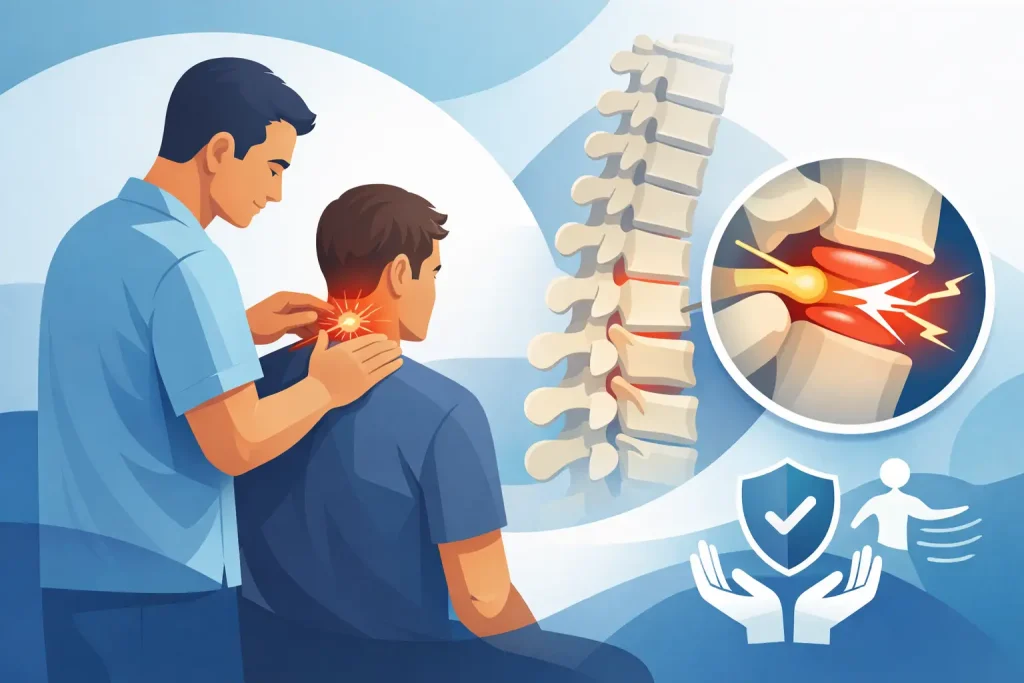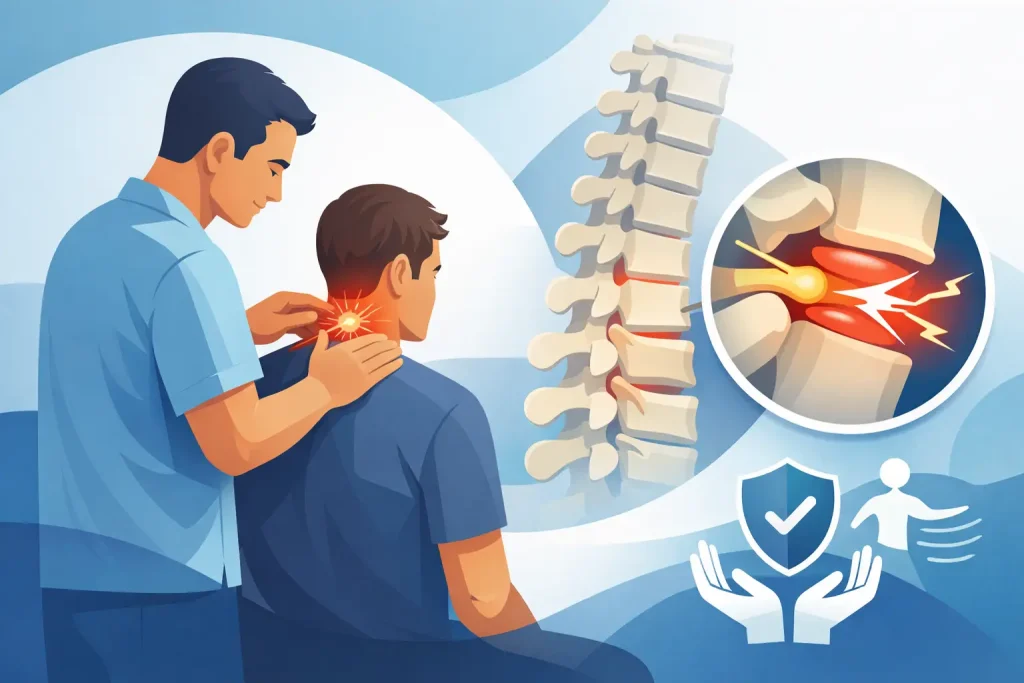


A person may come to chiropractic care because their low back has become a daily distraction. Another may be tired of waking with headaches, feeling stiff after work, or watching their child struggle to settle comfortably. Zone Technique success stories often begin in these ordinary, deeply personal moments – when the body no longer feels like it is working in harmony.
The meaningful stories are rarely about one dramatic adjustment or a promise of instant perfection. They are about progress: moving more freely, sleeping more soundly, feeling less consumed by discomfort, and reconnecting with the energy needed for work, family, and the activities that bring joy.
What makes a Zone Technique success story meaningful?
The Zone Technique views the body as an interconnected system rather than a collection of separate symptoms. It centers on six healing zones: glandular, elimination, nervous, digestive, muscular, and circulatory. When one area is under stress, the effects can be felt elsewhere. A tense nervous system may accompany poor sleep. Muscular imbalance may influence movement and comfort. Digestive concerns, fatigue, and headaches can feel disconnected, even when a person senses that something more comprehensive is going on.
This approach gives patients a different way to understand their experience. Rather than focusing only on the place that hurts, care considers the patterns that may be keeping the body from feeling balanced. Gentle, specific chiropractic adjustments are used to support communication between the brain and body and encourage the body’s natural healing capacity.
Success, then, is personal. For one person, it may mean returning to long walks along the Maine coast without planning the entire day around pain. For another, it may mean sitting through a work meeting, lifting a child with greater confidence, or finally waking up feeling rested. The goal is not to force the body into a predetermined outcome. It is to support restoration in a thoughtful, individualized way.
Zone Technique success stories often start with being heard
Many people who seek whole-body chiropractic care have already tried to push through their symptoms. They may have accepted recurring tension, limited range of motion, jaw discomfort, low energy, or frequent headaches as a normal part of a busy life. By the time they seek care, they are often looking for more than a quick fix. They want someone to listen closely, connect the dots, and explain a path forward in clear language.
A personalized evaluation creates the foundation for that experience. The chiropractor considers the person’s concerns, health history, physical patterns, and goals for care. A parent bringing in a child may have different questions than an active adult managing a sports-related strain or someone healing after an auto accident. Each deserves an approach that fits their body and circumstances.
That attentive beginning matters because it changes the relationship to healing. Patients are not simply told what is wrong with them. They become active participants in noticing changes, communicating what they feel, and understanding why consistent care may be recommended.
Progress can be subtle before it becomes obvious
Some of the most encouraging changes are easy to overlook at first. A patient may realize they did not reach for the heating pad as often that week. They may notice they can turn their head while driving without guarding, get through an afternoon without the usual energy crash, or recover more comfortably after exercise.
These smaller shifts can matter because they reveal a growing sense of ease in daily life. They also offer useful information during care. When patients share what has changed, even if it seems minor, their care can remain responsive to their needs.
Not every person experiences improvement on the same timeline. The duration of symptoms, overall health, activity level, stress, injury history, and consistency with care can all influence the process. Honest success stories leave room for that reality. Healing is often measured in meaningful steps, not a race to a finish line.
The six zones create a wider picture of wellness
The Zone Technique’s six-zone framework helps explain why a whole-body approach can feel different from care focused only on one painful area. The muscular zone may be a natural focus for stiffness, tension, and movement concerns. The nervous zone may be considered when stress, sleep, or recurring discomfort affects a person’s sense of calm and resilience. Other zones address systems connected with glandular function, elimination, digestion, and circulation.
This does not mean every concern has one simple cause or that chiropractic care replaces medical evaluation when it is needed. It means the body deserves to be viewed as a connected whole. A careful practitioner can help patients recognize patterns and determine whether chiropractic care is an appropriate part of their wellness plan.
For some, the most powerful change is physical: greater mobility, fewer aches, or improved comfort during everyday tasks. For others, it is emotional relief. When the body feels less guarded and more supported, people often feel more hopeful about what is possible. That renewed confidence can shape how they move, rest, work, and care for themselves.
What different patients may define as success
An office professional may define success as getting through a computer-heavy day without constant neck and shoulder tension. An active adult may want to return to strength training, gardening, skiing, or running with more confidence in their movement. A parent may be seeking gentle, thoughtful support for a child while wanting to better understand how chiropractic care fits into their family’s wellness routine.
For someone recovering from an automotive injury, success may be more gradual. Even a low-speed collision can leave the body feeling sore, stiff, and unsettled. These patients may need care that respects the trauma their body has experienced while tracking improvements in comfort, range of motion, and daily function over time.
At Alchemy Chiropractic, the intention is to meet each person where they are, not where they think they should be. That can be especially reassuring for people who have felt dismissed, rushed, or told to simply live with recurring discomfort.
Results deserve context, not hype
A compelling patient story should never become a guarantee. Every body, diagnosis, injury, and health history is different. Chiropractic care may help support comfort, function, and overall well-being for many people, but it is not the right answer for every condition or every person.
The right provider will be clear about this. They will encourage appropriate medical care when symptoms call for it, particularly after significant trauma or when there are concerning changes such as severe pain, sudden weakness, loss of coordination, fever, or unexplained symptoms. Whole-body care works best when it is grounded in careful assessment and open communication.
That honesty makes positive outcomes more meaningful. A patient does not need a miraculous story to have a valuable one. Being able to sleep better, play on the floor with a child, take a full breath without bracing, or feel more at home in one’s body can be profoundly significant.
How to approach your own healing story
If you are considering Zone Technique care, begin with a simple question: What would feel different if your body had more balance? Your answer may be less pain, but it may also be better energy, more freedom of movement, calmer nights, or the confidence to return to a favorite activity.
Bring those goals to your consultation. Share what has been difficult, what you have already tried, and what a good day looks like for you. Ask how the six zones may relate to your concerns, what the recommended plan involves, and how progress will be evaluated. A clear conversation helps you make an informed decision and gives your care a personal direction.
The most lasting Zone Technique success stories are not about chasing a perfect body. They are about giving your body attentive support, honoring the changes that matter, and making room for more comfort, strength, and harmony in everyday life.