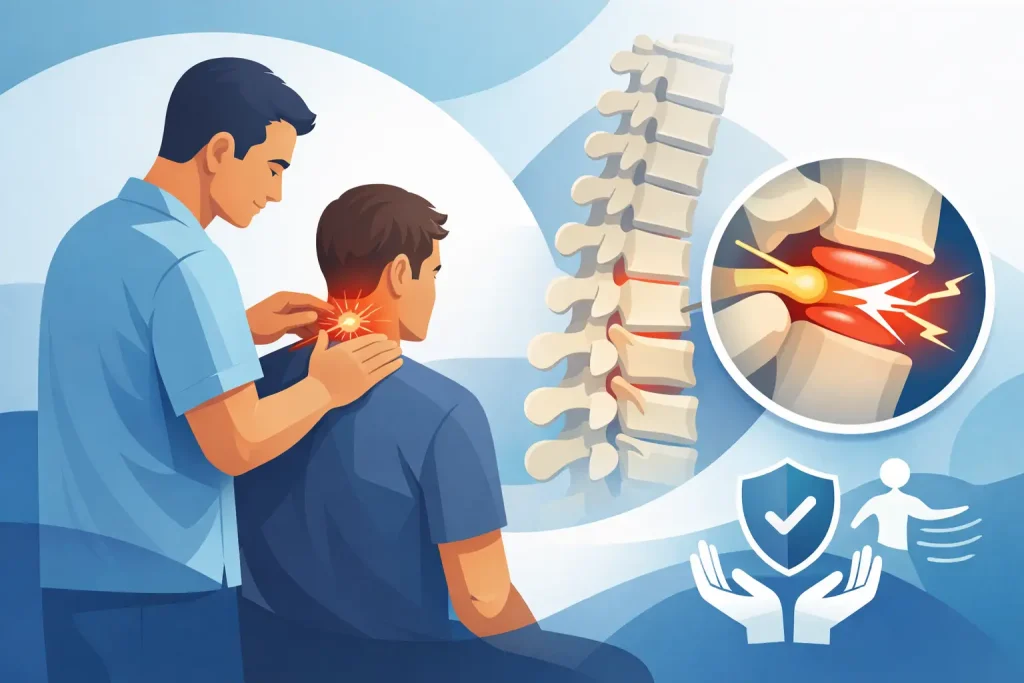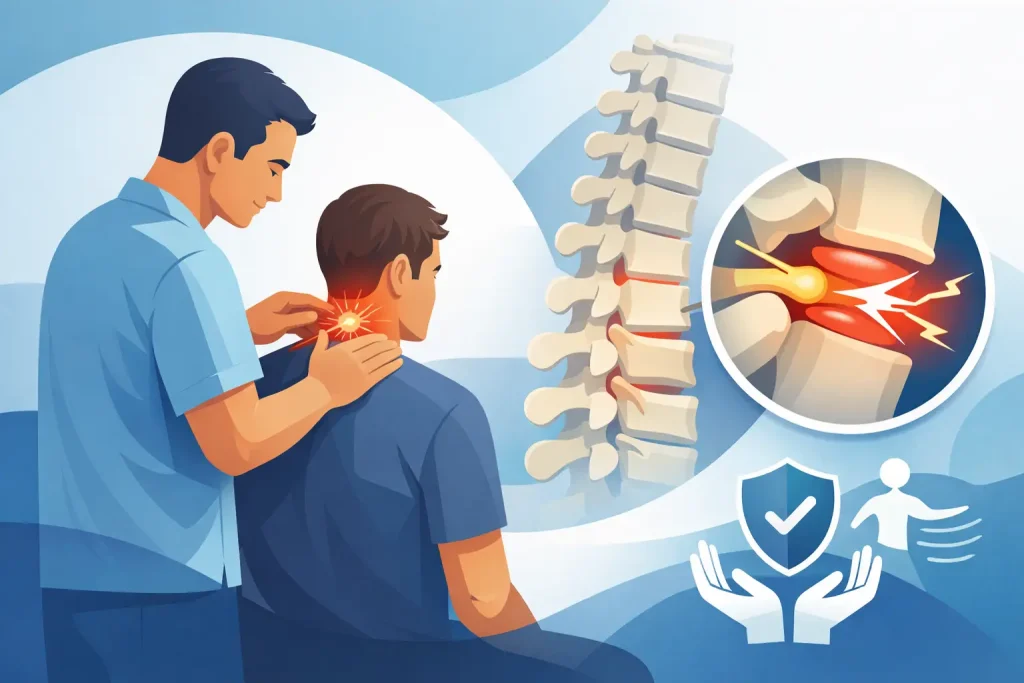


A new patient visit should never feel like being rushed onto a table and handed a one-size-fits-all plan. If you are wondering what happens during chiropractic intake, the short answer is that your chiropractor gets to know the full picture: what is hurting, what may be contributing to it, how your body has responded over time, and what healing could look like for you.
At Alchemy Chiropractic, intake is the beginning of a personalized relationship with your health. It is a calm, focused space to be heard, ask questions, and understand how gentle, specific care may support greater balance throughout your body.
What happens during chiropractic intake?
A chiropractic intake usually includes paperwork, a detailed health conversation, an examination, and a discussion of next steps. The exact flow depends on your needs. Someone seeking support for recurring headaches will have a different conversation than someone recovering after an auto accident or a parent bringing in an infant.
The purpose is not simply to locate a painful spot. Pain can be meaningful information, but it is not always the entire story. A stiff neck, low back tension, poor sleep, digestive discomfort, low energy, or jaw tightness may reflect stress and imbalance affecting more than one area of the body.
Your first visit gives your chiropractor the context needed to make care specific, safe, and relevant to your goals.
Before your visit: paperwork creates a clearer picture
Most patients begin by completing new patient forms. These typically cover your contact information, health history, current concerns, prior injuries, surgeries, medications, and insurance or payment details. Take your time with this part. Details that may seem unrelated, such as a past fall, a difficult pregnancy, a sports injury from years ago, or a change in sleep, can help reveal patterns.
You may also be asked when your symptoms began, whether they are getting better or worse, and what activities make them easier or harder to manage. If you have had recent imaging, medical testing, or care from another provider, bring that information if requested.
Honest answers are more useful than perfect answers. You do not need to know the name of every muscle or explain exactly why something feels off. Describe what you feel in your own words and share what has changed in your daily life.
Your consultation is a real conversation
After the paperwork, your chiropractor will sit down with you to understand your main concerns and your hopes for care. This is where you can explain what has brought you in now, rather than six months ago or six years ago.
You might talk about pain, mobility, headaches, tingling, fatigue, stress, sleep, posture, TMJ discomfort, or the way your body feels after work, exercise, or caring for your family. You may also discuss your routines, including the physical demands of your job, the activities you love, and the habits that leave you feeling depleted.
This conversation matters because the body does not operate in isolated pieces. At Alchemy Chiropractic, care is centered on the understanding that the brain and body communicate constantly. When that communication is disrupted, the effects can show up in different ways for different people.
A thoughtful chiropractor will also ask questions designed to rule out situations that need medical evaluation beyond chiropractic care. New or severe symptoms, significant weakness, changes in bowel or bladder function, fever, unexplained weight loss, chest pain, or symptoms after a serious injury should always be discussed promptly. Chiropractic care can be a meaningful part of a health plan, but the right referral is part of responsible care when it is needed.
The examination looks at how your body is functioning
Next comes the physical examination. Depending on your history and goals, this may include observing your posture, checking how you move, feeling for areas of tension or imbalance, and assessing range of motion. Your chiropractor may examine the spine as well as the areas most connected to your concern, such as the shoulders, hips, jaw, or extremities.
The exam is not a test you can pass or fail. It is a way to understand how your body is adapting. A shoulder that does not move freely, for example, may be influenced by neck tension, an old injury, repetitive work, or the way you compensate when walking or sitting.
For patients receiving Zone Technique-based care, the assessment also considers the body through six healing zones: glandular, elimination, nervous, digestive, muscular, and circulatory. These zones offer a whole-body framework for identifying where the body may need support. Rather than treating every visit as a generic spinal adjustment, your chiropractor uses the findings to guide a more focused approach.
This does not mean every concern has one simple cause. Bodies are complex, and healing is personal. The goal is to notice patterns, support the nervous system, and help restore greater harmony where the body has been working too hard to compensate.
Will you get adjusted at your first appointment?
Sometimes, yes. Whether an adjustment happens during your intake depends on the findings from your consultation and exam, your comfort level, and whether your chiropractor believes it is appropriate to begin care that day.
If you are adjusted, the approach should be explained before it happens. You should know what area is being addressed, what type of adjustment is planned, and what sensations you may experience. Chiropractic adjustments can be gentle and specific. They are not required to be forceful to be purposeful.
Some patients feel lighter, looser, or more at ease after a first adjustment. Others notice that their body needs time to settle and respond. Mild soreness can occur, particularly if an area has been tense or restricted for a long time. Your chiropractor can help you understand what is a typical response and when to call with questions.
If imaging or further evaluation is needed before care begins, that should be discussed clearly. A good intake is not about pushing through a procedure. It is about making decisions that respect your health, your history, and your readiness.
You will leave with a clearer sense of next steps
Before you leave, your chiropractor should explain what they found in language that makes sense. You may hear how certain areas of stress, tension, or imbalance could relate to the symptoms and challenges you described. You should also have the opportunity to ask questions about the recommended care plan.
Your recommendations may include a series of visits, especially when your concern has developed over months or years. The number and frequency of visits can vary widely. An acute injury, a long-standing pattern of discomfort, and wellness-focused care each call for a different approach.
You may also receive simple guidance for the time between visits. That could involve hydration, gentle movement, resting a newly aggravated area, paying attention to posture, or noticing changes in sleep and energy. These suggestions are not meant to turn your healing into another full-time job. They are intended to help you participate in the process and recognize the signals your body is already giving you.
Intake is different for children and auto injuries
Pediatric intake is designed around a child’s stage of development and the parent’s observations. A chiropractor may ask about pregnancy and birth history, feeding, sleep, milestones, falls, sports, posture, and the concerns that have led your family to seek care. The examination and any adjustment are gentle and appropriate for the child.
After an auto accident, intake tends to be more detailed because even a low-speed collision can create forces the body feels later. Your chiropractor may ask about the accident, the position you were in, symptoms that appeared right away or developed afterward, and any emergency or medical care you have received. Documentation may also be part of the process. If you have severe pain, worsening neurological symptoms, or have not yet been evaluated after a significant crash, medical assessment may be the right first step.
How to prepare without overthinking it
Wear comfortable clothing that allows you to move easily, arrive a few minutes early if you have forms to complete, and bring any requested records. More than anything, come ready to share your experience openly.
You do not have to minimize your discomfort because someone else has it worse. You also do not have to wait until pain becomes unbearable to seek support. Your intake is a chance to pause, listen to what your body has been carrying, and begin a care plan built around where you are now.
The best first visit leaves you feeling informed, respected, and more connected to your own healing process. Bring your questions, share the details that matter, and give your body the space to be heard.