

Pain has a way of shrinking life. A stiff neck can make the workday feel longer. Low back discomfort can turn a simple walk into something to plan around. Headaches, jaw tension, and sore muscles can steal energy from family time and sleep. Natural pain relief options can help create meaningful relief, but the most effective approach is rarely a single remedy. It is often a thoughtful combination of gentle care, daily movement, restorative habits, and attention to what your body has been trying to say.
The goal is not to push through pain or simply cover it up. It is to support the body’s ability to restore balance, move with greater ease, and heal in a way that fits your life.
Start by Listening to the Pattern of Pain
Pain is information, even when it is frustrating. A sudden ache after lifting, a headache that appears after long hours at a screen, or recurring low back tension after driving may point to different needs. The location matters, but so do timing, triggers, sleep, stress, digestion, movement habits, and prior injuries.
For example, a tight upper back may be connected to posture, repetitive work, shallow breathing, or tension held through the shoulders and jaw. Hip or low back discomfort may be influenced by long periods of sitting, a change in activity, poor recovery after exercise, or compensation from an old injury. This does not mean every pain has a simple explanation. It does mean that lasting relief often begins with looking at the whole person rather than chasing one painful spot.
Pain that is severe, sudden, worsening, or accompanied by symptoms such as chest pain, trouble breathing, fainting, fever, unexplained weakness, loss of bladder or bowel control, or numbness in the groin needs prompt medical attention. Natural approaches work best when they are part of wise, appropriate care.
Natural Pain Relief Options for Everyday Discomfort
Gentle movement restores confidence in the body
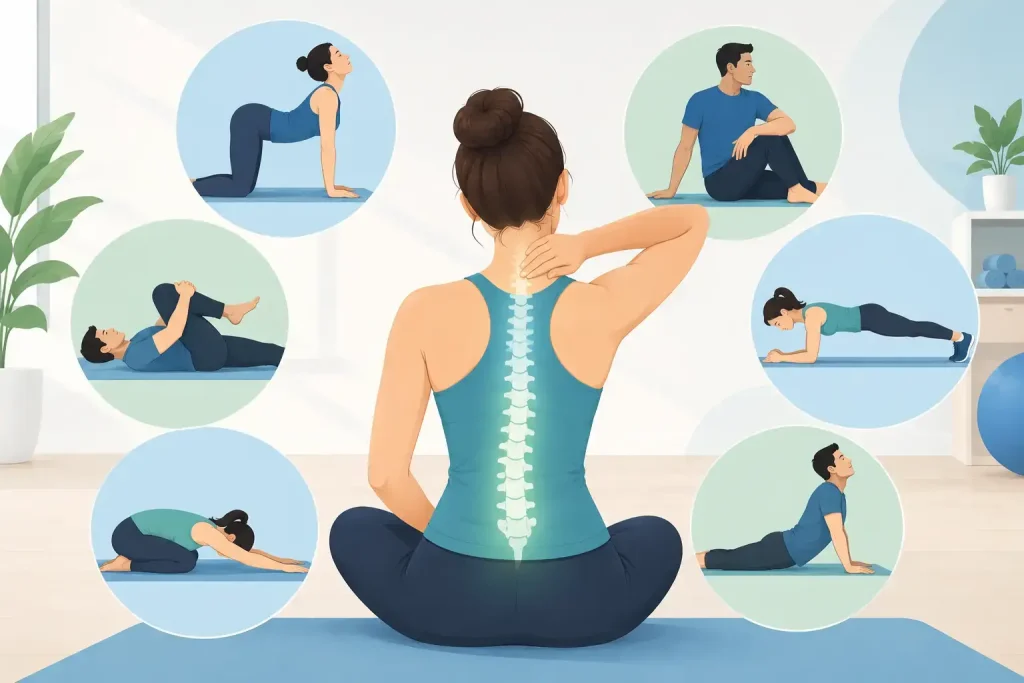
When something hurts, it is understandable to become still. A brief period of rest can be helpful after an acute strain, but too much inactivity may increase stiffness and make the body feel more guarded. Gentle, consistent movement helps circulate blood, nourish tissues, and remind the nervous system that movement can be safe.
Walking is one of the most accessible places to begin. A few short walks may feel better than one long outing if pain or fatigue is present. Gentle mobility work, easy stretching, water exercise, and carefully chosen strength exercises can also support recovery. The right amount depends on the person. Sharp pain, increasing numbness, or symptoms that linger well after activity are signs to pause and seek guidance.
The goal is not to force flexibility or prove toughness. It is to build trust in your body a little at a time.
Heat and cold can help, depending on the moment
Heat is often comforting for muscle tightness, stiffness, and lingering aches. A warm shower, heating pad, or warm compress may help the body relax before light movement or before bed. Cold may feel better for a fresh injury, swelling, or a hot, irritated area. A cold pack wrapped in a towel can be used for short intervals to avoid irritating the skin.
Neither option is universally best. Some people find heat soothing for low back tension but prefer cold after a demanding workout. Pay attention to your response, protect your skin, and avoid falling asleep with a heating pad or ice pack in place.
Sleep is a powerful healing tool
Poor sleep can make pain feel louder. It can also reduce patience, energy, and the body’s ability to recover from ordinary physical stress. If discomfort is interrupting rest, small changes may help: support the neck in a neutral position, place a pillow between the knees when side sleeping, or place one beneath the knees when lying on the back.
A consistent bedtime, reduced screen time before sleep, and a cooler, darker room can help settle the nervous system. If pain consistently wakes you, changes suddenly at night, or prevents restorative sleep, it is worth discussing with a qualified healthcare professional.
Food and hydration support the bigger picture
No single food erases pain, but daily nourishment influences inflammation, energy, tissue repair, and resilience. Many people feel better when meals include colorful produce, quality protein, fiber-rich foods, healthy fats, and adequate water. Regular meals can also prevent the energy dips that make stress and tension harder to manage.
Supplements and herbal products deserve care rather than guesswork. Even natural products can interact with medications or may not be right for pregnancy, chronic conditions, or children. A practitioner who understands your health history can help you make safer choices.
Stress relief is physical relief, too
Stress does not mean pain is imaginary. It means the nervous system and the body are connected. When life feels demanding, muscles may brace, breathing may become shallow, sleep can suffer, and existing discomfort can feel more intense.
A few minutes of slow breathing, time outdoors, prayer or meditation, journaling, or a calming evening routine may help the body shift out of a constant state of alert. The best practice is the one you will actually use. For one person, that may be a quiet walk along the water. For another, it may be five uninterrupted minutes of breathing before a meeting or school pickup.
Why Personalized Chiropractic Care Can Be Different
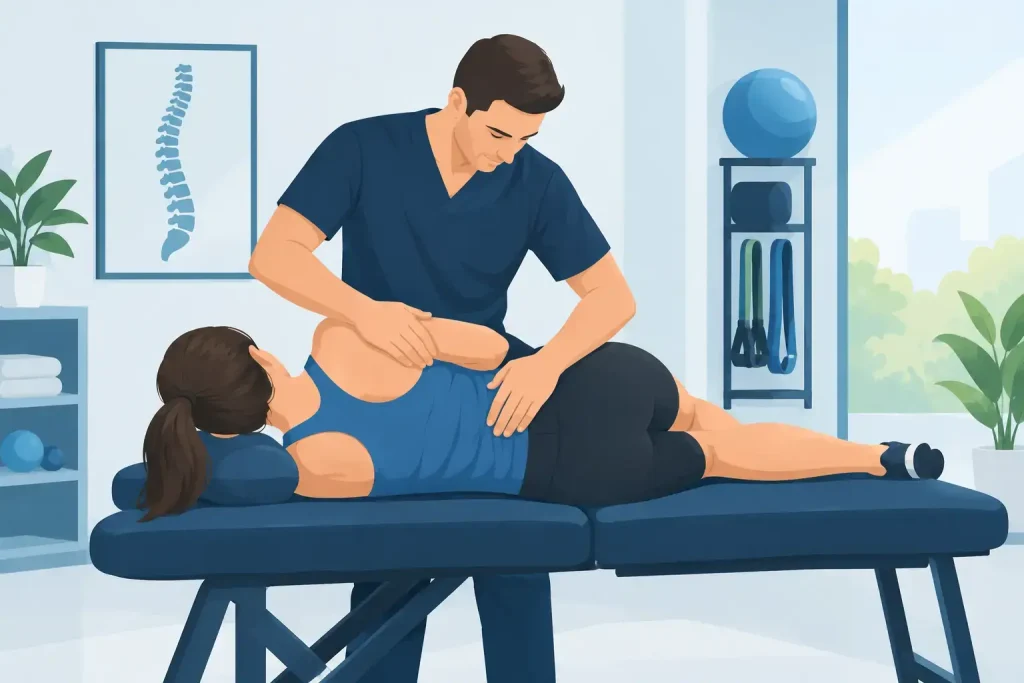
Some pain responds to home care. Other discomfort keeps returning because the body is compensating for an imbalance that has not been addressed. This is where personalized chiropractic care can offer a valuable natural option, particularly for musculoskeletal discomfort, headaches, TMJ-related tension, reduced mobility, and recovery after an auto injury.
Chiropractic care is not simply about one adjustment or one area of the spine. A thoughtful assessment considers how the body is functioning as a connected system. At Alchemy Chiropractic, the Zone Technique is used to evaluate balance across six healing zones: glandular, elimination, nervous, digestive, muscular, and circulatory. This whole-body perspective recognizes that pain may be part of a larger pattern involving stress, movement, energy, and the nervous system.
Gentle, specific adjustments are intended to support communication between the brain and body, helping the body move out of protective tension and toward greater harmony. Care is individualized because two people with the same complaint may have very different histories, movement patterns, and goals. The parent carrying a toddler, the runner preparing for a race, the office professional with recurring headaches, and the driver recovering after a collision do not need a one-size-fits-all plan.
When Natural Approaches Need More Support
Natural care should never require you to ignore a problem that is getting worse. Seek an evaluation when pain follows a car accident, fall, or sports injury, even if symptoms seem minor at first. Whiplash and soft-tissue injuries can take time to fully reveal themselves, and early care may help prevent compensation patterns from becoming more persistent.
It is also wise to seek support when pain lasts beyond a few weeks, repeatedly disrupts sleep or work, limits normal movement, or comes with tingling, numbness, weakness, or changes in coordination. The right practitioner can help determine whether chiropractic care, medical evaluation, imaging, physical therapy, or a combination of care is most appropriate.
Build a Relief Plan You Can Sustain
The best natural pain relief options are the ones that fit real life. A complicated routine usually disappears when work gets busy or family needs take over. Start small: take a ten-minute walk, use heat before gentle stretching, adjust your sleep position, drink more water, or schedule an evaluation for pain that has not resolved.
Then notice what changes. Are you moving more freely in the morning? Is your headache frequency decreasing? Can you sit through a meeting without shifting constantly? Progress is not always dramatic, but it can be deeply meaningful when it gives you back the freedom to work, play, rest, and be present with the people you love.
Your body is not asking you to be perfect. It is asking for support, attention, and a path back toward balance. Give it the care it deserves, one steady step at a time.